







Let’s be real for a second. If you’ve been grinding on Arrakis long enough, you’ve probably logged back in to find a quarter of your base just… gone. It happened to me. Not from a raid, not from a sandworm—but from the game’s own quirks. I lost nearly 25% of my structure in one go. Frustrating? Absolutely. But that disaster taught me more about base building than any perfect blueprint ever could. So before you rush to buy Dune Awakening Solari for that premium decor pack, hold that thought—because even the most expensive materials won't save you if your layout ignores the system's hidden traps. So here’s my hard-earned guide to making your base look killer and surviving the system’s hidden pitfalls.
1. Color, Texture & Lighting – The Golden Ratio
Forget slapping random styles together. The secret isn’t “matching” – it’s harmonizing.
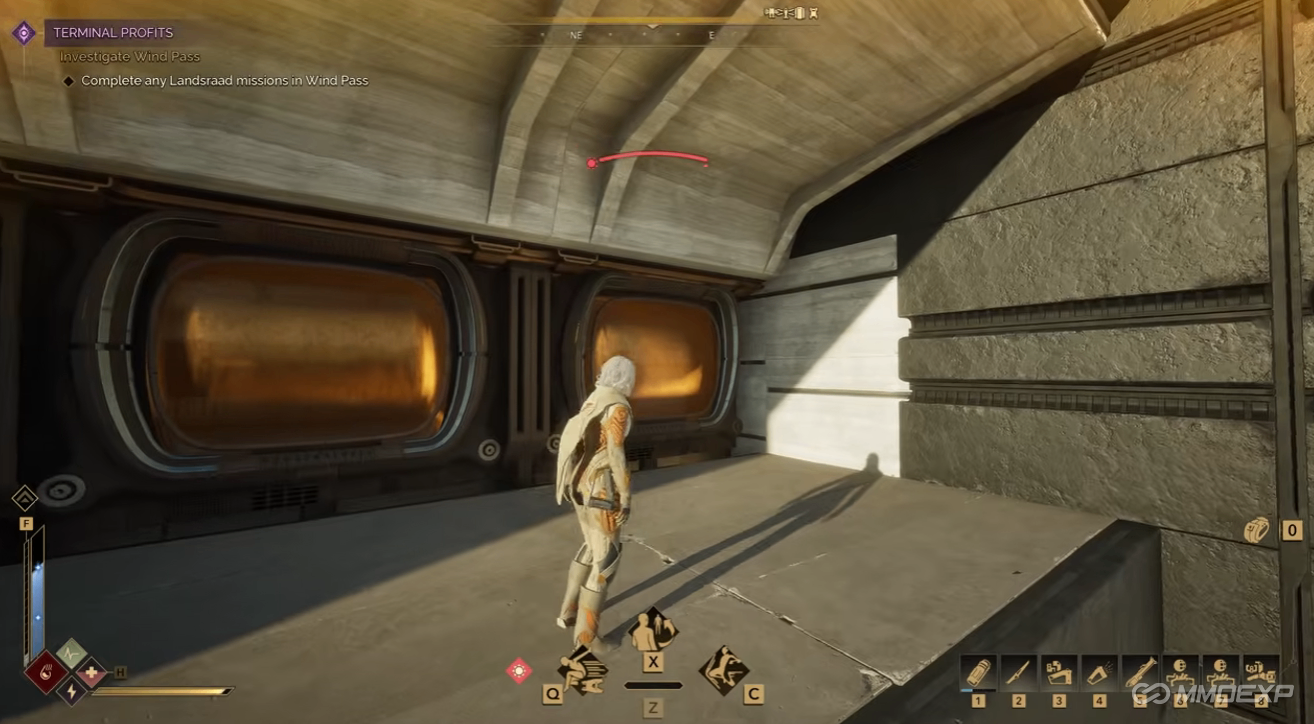
After a LOT of trial and error, I landed on this god-tier combo: Black, Light Gray, and Gold trim. It gives you that gritty Fremen desert vibe while keeping the clean, aristocratic feel of Atreides aesthetics.
But here’s the kicker: Color means nothing if your lighting sucks.
· Some ceiling designs turn your grand hall into a depressing cave. Swap them for slotted or open-beam ceilings – they let in that sweet desert light and completely change the mood.
· Windows are make-or-break. I tried those ornate, old-school window frames, and they made my base look like a relic museum. Ditch them. Go for horizontal slit windows. They tie into the modern, fortress-like silhouette and give you that dramatic sunrise/sunset light streak across your floors.
2. Embrace "Happy Accidents" – Terrain & Functionality
You can plan all you want, but Arrakis' terrain will throw you curveballs.
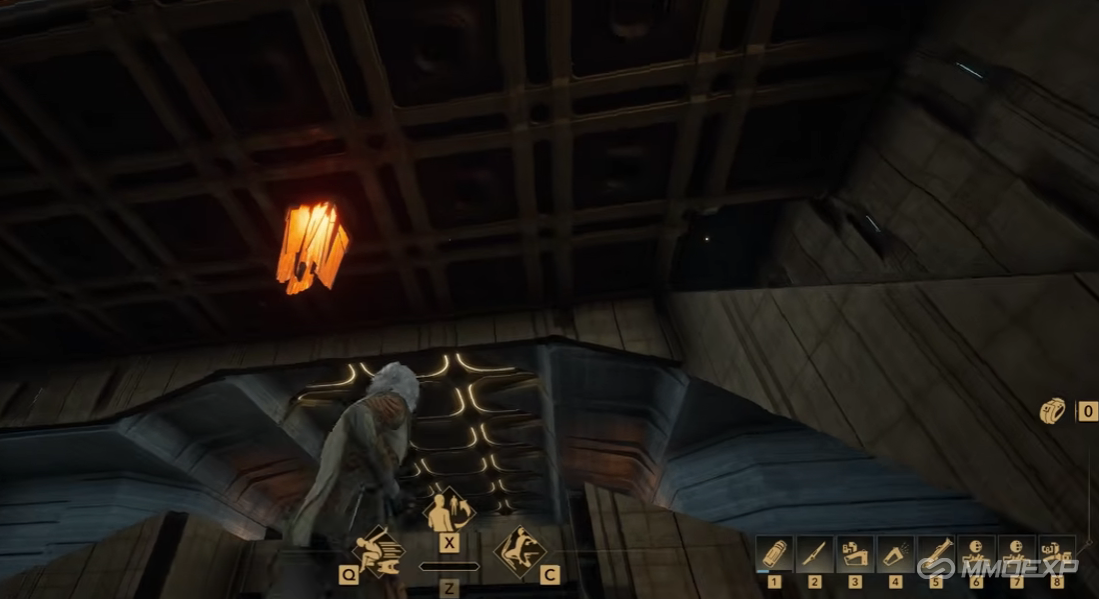
I once planned a straight corridor between two platforms. The elevation didn't line up – so I had to drop in a spiral staircase as a last-minute fix. Turned out to be the best feature of that wing. It broke up the boring rectangular grid and added actual flow to the space. The same goes for garages and basements.
At first, I treated them like trash bins – just shove them in a corner. Big mistake. I realized I could turn my basement into a prep area for a large-scale Spice Refinery. That meant I had to raise the entire upper floor just to fit the machinery. It was a nightmare to rebuild, but it gave the whole compound a logical progression: Living Quarters → Utility Garage → Heavy Industry. Visitors literally walk through a style gradient, not a style clash.
3. The 5,000-Build Limit Trap – And How to Dodge It
Here's where the game's mechanics stab you in the back.
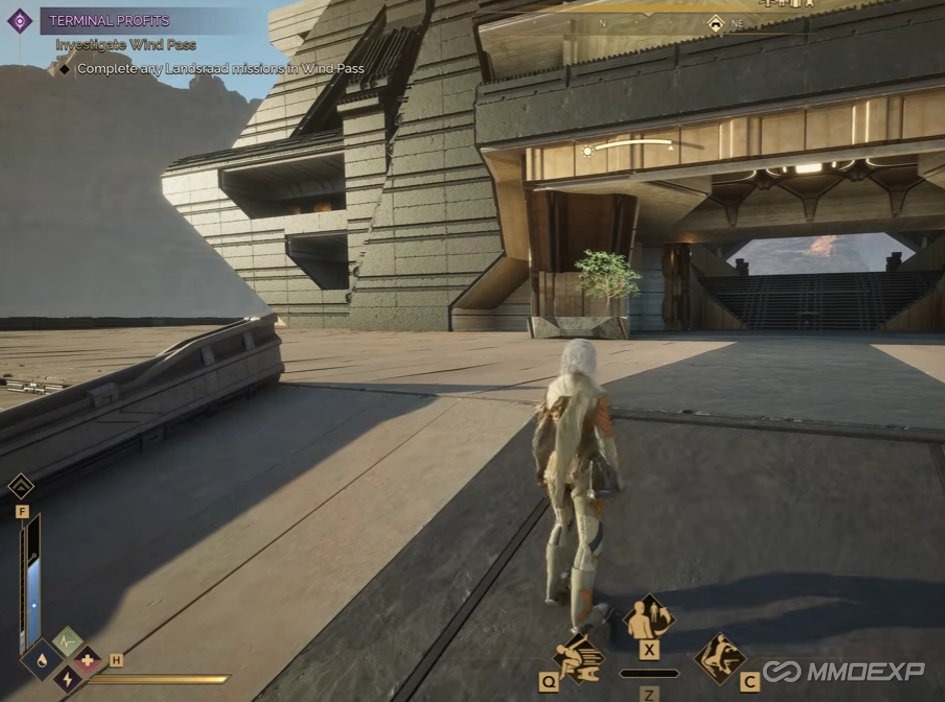
The game has a soft cap of 5,000 building parts. I activated extra build units and blew past that limit, thinking I was a genius. The game let me do it – but it doesn't tell you the consequences until later.
When I tried to transfer ownership of my base to a subscriber, the system forced me to delete my sub-claims and get the part count back under 5,000. I had to gut sections I'd spent weeks on. Painful.
The Pro Move:
· If you're building on a Private Server, turn Sandstorms OFF during the design phase. Sandstorms degrade durability over time, and if you aren't paying attention, your walls just vanish without warning. I lost an entire watchtower this way.
· Once your layout is 100% locked, stress-test it for Public Server conditions.
· Always, always keep a manual blueprint saved. The auto-save is not your friend when you're over the limit.
4. Scale & Proportion – Don't Let Your Towers Get Crushed
This is a rookie mistake: sticking a delicate, slender Atreides tower right next to a massive, brutalist Harkonnen dome.
Rule of thumb: Mix heavy and light elements rhythmically.
Think of it like a city skyline – you need peaks and valleys. If you have a giant refinery dome, balance it with a cluster of low, horizontal living quarters and a few thin antenna spires. That way, the big structures don't "crush" the small ones visually.
5. Transition Zones – The "Invisible" Glue
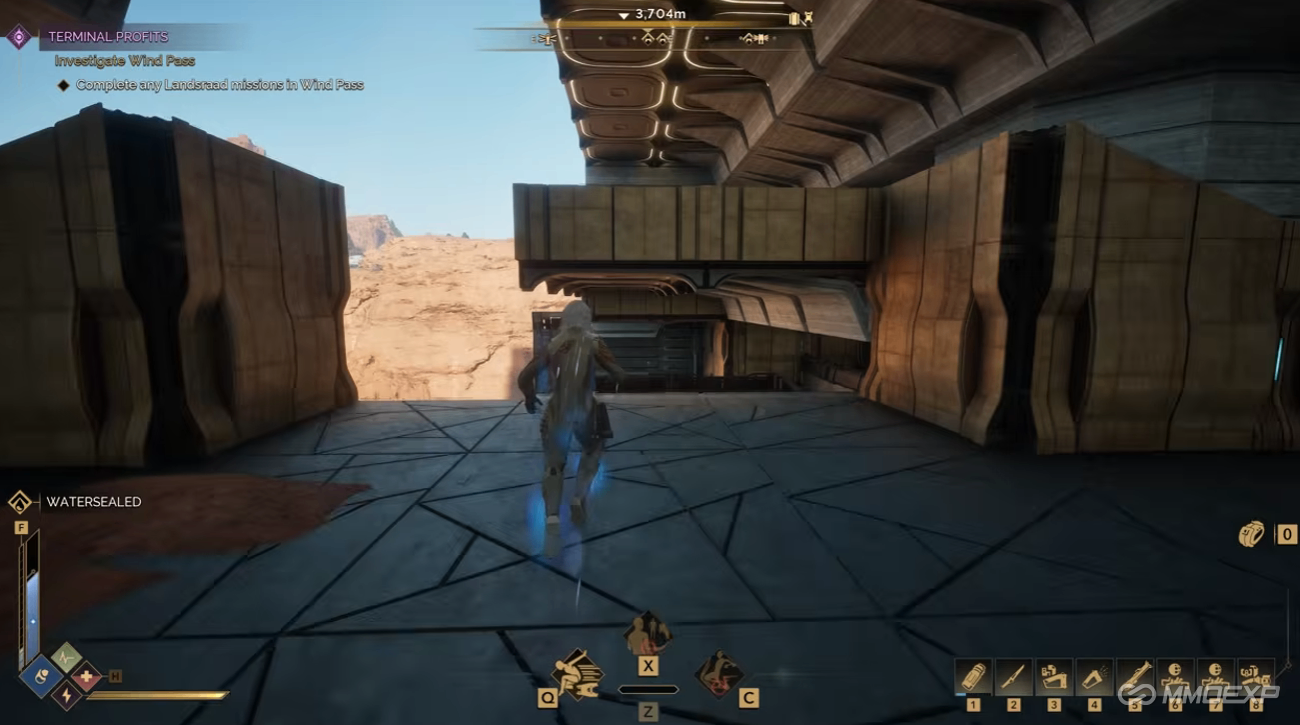
If you're mashing up Fremen rough-stone walls with Harkonnen industrial black metal, don't just slam them together.
Build a buffer zone:
· Neutral-colored flooring (plain grey concrete works wonders).
· Low partition walls or decorative planter boxes.
· A line of small utility structures (like power regulators or water collectors) that don't belong to either style.
· This blurs the hard edge. It makes the shift feel organic, like the base evolved, rather than being assembled by a madman.
Final Takeaway – Fail Forward
Look, your first base will get wrecked. Your second base will be partially deleted by the build limit. Your third will look ugly. That's the game.
The magic happens when you stop fighting the system and start working with it. Treat the rebuilds not as punishments, but as excuses to fix the color balance, redo the ceiling heights, and create those transition zones you were too lazy to build the first time. And sure, you could always buy Dune Awakening Items to fast-track your material grind, but no shop purchase will fix a poorly thought-out layout—that part's on you.
· Check your durability % as often as you check your spice income.
· Color is cheap – redo it until it looks expensive.
· And if your staircase shows up in the wrong place because of terrain? Lean into it. That's the soul of your base.
· Stay gritty, builders. I'll see you in the next build – this time, under the cap.
Got a base disaster story of your own? Drop it in the comments – misery loves company, and I might feature it in the next guide.