


FC 26 Foot Champs RTG success relies on structured decision-making across Evolutions, SBC management, tactical substitutions, and reward reinvestment. Consistent wins come from disciplined squad building, planned in-game adjustments, and emotional control rather than risky plays or impulsive upgrades, ensuring steady progression and higher-tier weekend league rewards.
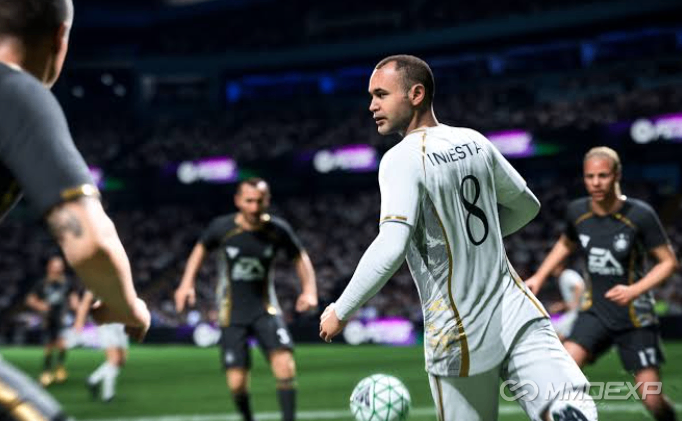
1. RTG Framework and Foot Champs Mindset
In EA Sports FC 26, RTG progression is fundamentally about efficiency under constraint. A 10-game Foot Champs block should be treated as a performance cycle rather than casual matchmaking.
Each match represents a decision environment where fatigue, emotional control, execution quality, and whether to buy FC 26 Coins directly affect outcomes. The optimal approach is segmentation: play in controlled batches, reset mental focus between losses, and avoid chaining games while tilted or fatigued.
2. Evolution Strategy: Value Before Experimentation
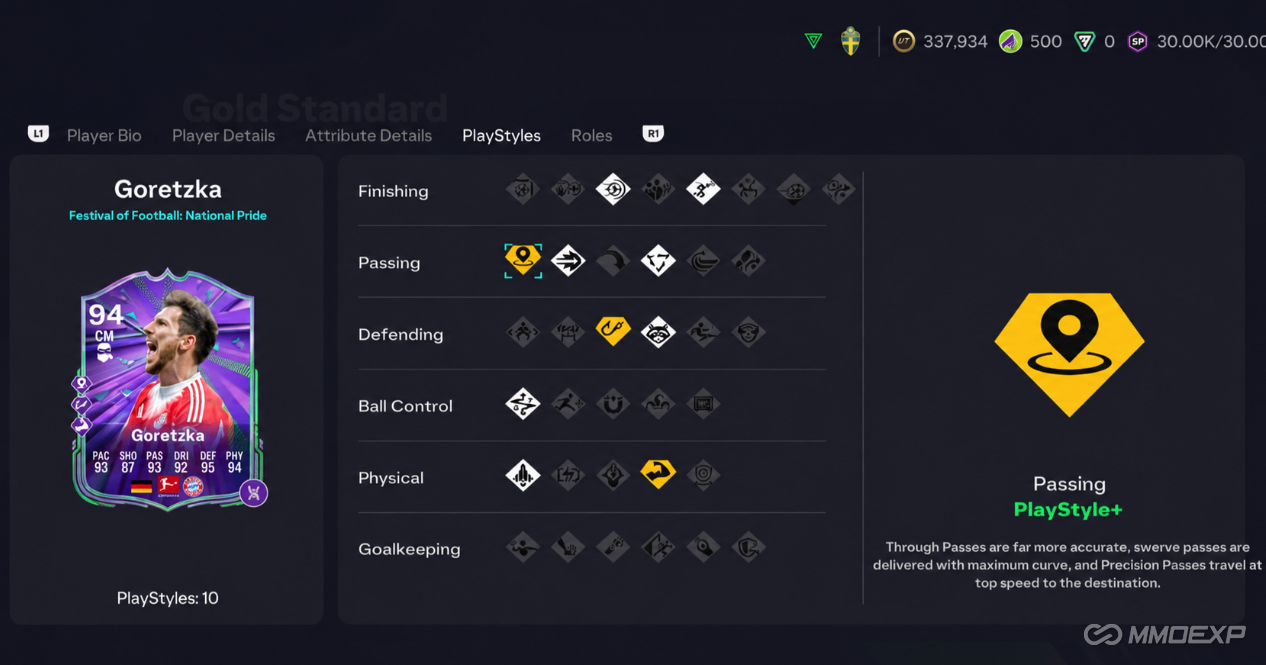
Evolutions are one of the highest-leverage systems in FC 26, but only when applied with structural intent.
Prioritize Evolutions on:
· Core attackers who already fit your formation
· Midfielders that influence both phases of play
· Cards with usable base animations and pace thresholds
Avoid “gambling” Evolutions on nostalgic or low-synergy players unless they already integrate into your squad identity. Multi-step Evo chains should be planned in advance, ensuring stat breakpoints (pace, dribbling, reactions) align with competitive Champs thresholds.
3. SBC Discipline and Resource Allocation
SBC efficiency is a long-term advantage driver in RTG accounts. During Foot Champs weekends, market volatility increases and fodder value shifts rapidly.
Key principles:
· Save high-rated fodder for premium SBC cycles
· Avoid impulsive completion of low-value upgrades
· Convert duplicates into repeatable SBC loops rather than discarding
· Evaluate opportunity cost before committing 88+ rated squads
The objective is not completion volume, but squad value conversion efficiency over time.
4. In-Game Tactical Adjustments
Foot Champs matches are often decided between the 55th and 80th minute due to stamina decay and formation rigidity.
Effective adjustments include:
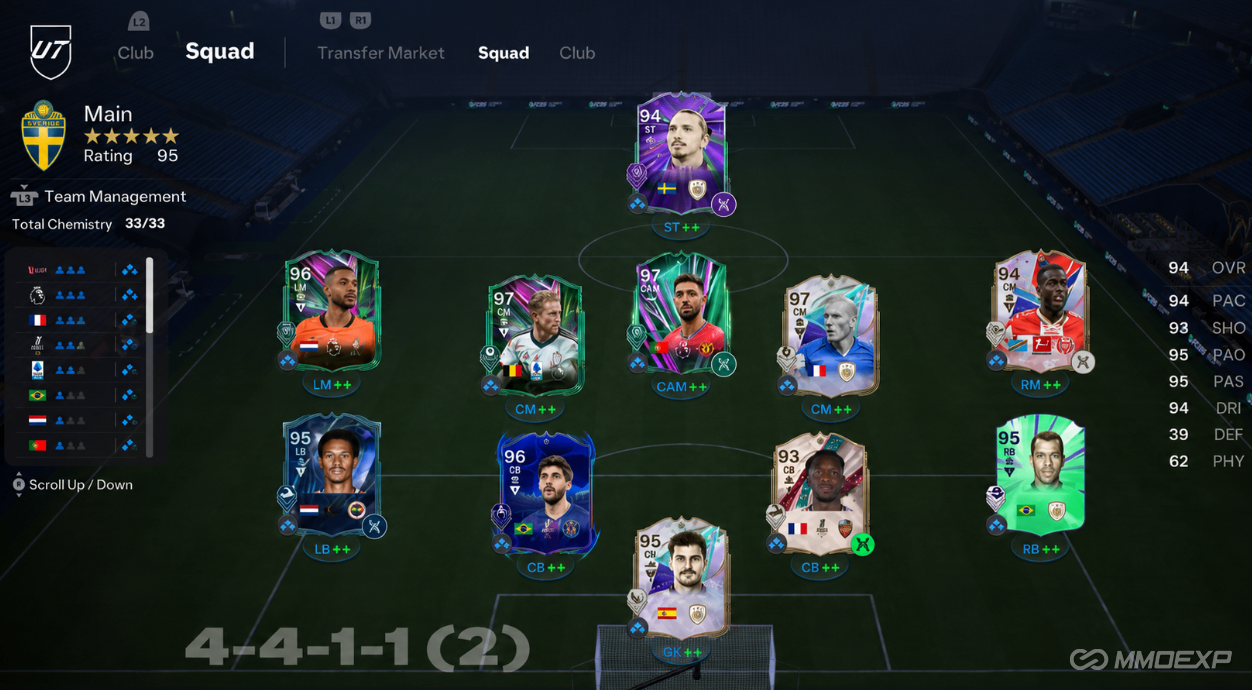
· Introducing high-agility super subs to break defensive lines
· Increasing defensive compactness when protecting a lead
· Switching tempo between possession control and direct transitions
· Adjusting pressing intensity based on opponent build-up patterns
Substitutions should not be reactive—they should be pre-planned tactical injections designed to change match state variables.
5. Substitution Timing and Impact Players
Elite RTG players use substitutions as structured interventions rather than late-game desperation tools.
Ideal substitution windows:
· 55–60 minutes: first structural change (midfield control or pace injection)
· 70+ minutes: finishing-focused attackers or defensive stabilizers
Impact players with high acceleration, agility, and weak-foot reliability are disproportionately valuable in Foot Champs due to late-game defensive fatigue patterns.
6. Reward Optimization and Long-Term Progression
Foot Champs rewards should be treated as capital reinvestment tools rather than immediate gratification.
Best practices:
· Prioritize high-upgrade potential packs over cosmetic or low-impact rewards
· Funnel duplicates into upgrade SBC cycles
· Plan Evolution upgrades around upcoming meta shifts rather than current hype
· Evaluate rewards based on squad ROI, not pack animation value
Sustainable RTG progression depends on reinvesting value rather than consuming it.
7. Psychological Control and Match Stability
A significant portion of Foot Champs variance comes from emotional decision-making. Players often lose control after conceding early goals or missing high xG chances.
Stable performance requires:
· Neutralizing emotional spikes after setbacks
· Avoiding forced plays after momentum shifts
· Maintaining consistent defensive structure regardless of scoreline
· Treating each possession as independent, not narrative-driven
Consistency is a technical skill, not just a mindset trait.
Conclusion: System Over Moments
Success in FC 26 Foot Champs RTG is not determined by isolated highlights but by system-wide discipline, nor by reliance on cheap FC 26 Coins. Evolution planning, SBC efficiency, tactical substitutions, and psychological control must operate as a unified framework.
Players who execute across all layers of decision-making convert marginal advantages into consistent win rates, higher-tier finishes, and more efficient squad progression across every weekend cycle.