Weekend Drop -













Summary
Road to Glory in College Football 27 forces quarterbacks to earn their spot through position battles, smart off-field choices, and patient development. This guide covers everything you need to go from third-string to QB1, based on extensive in-game testing. Having enough CUT 27 Coins can also be very helpful for accelerating progress and supporting your Ultimate Team goals.
Part 1: The Backup Reality
Starting as third string is frustrating, but it’s not wasted time. While riding the pine, you can still build your player:
Focus on academics – High grades prevent eligibility issues and unlock bonuses.
Build your influencer brand – Followers and deals carry over between seasons.
Monitor position battles – You can win QB2 or QB1 challenges even from the bottom.
Practice every week – Each session gives XP and coach trust.
The silver lining: you don’t lose games you don’t play. Your stats stay clean, which makes it easier to win battles later.
Part 2: Winning Position Battles
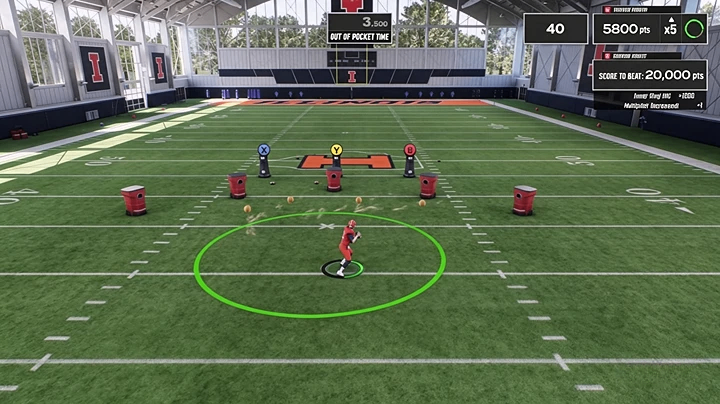
Position battles are mini-games that decide your depth-chart spot. They are harder this year – scoring thresholds are higher and accuracy matters more.
Tips to dominate:
Prioritise bull’s-eye throws – they give the most points and multiply your score.
Use lob passes up close – they are more accurate for bull’s-eyes.
Avoid sacks – they reset your multiplier.
Set your feet before throwing – off-balance throws miss often.
Don’t force throws to covered receivers – incompletions cost you.
The math: most battles need ~20,000 points. Accurate passes give ~2,200, bull’s-eyes ~3,500-4,000. Keep your multiplier high.
Winning QB2 puts you one injury away from starting – that’s your first real goal.
Part 3: Off-Field Management
Your choices off the field directly affect your on-field performance.
Academics – Skipping labs or classes lowers energy. A B average or higher avoids 15-20% performance penalties.
Influencer – This carries over year to year, so invest early. It’s the best long-term use of free time.
Leadership – Helps team chemistry but has little carryover.
Fitness – Small in game boost, but almost no carryover – deprioritise.
Social events can be traps. If an invite says “skip lab”, expect an energy drop that lasts weeks. Read the context before saying yes.
Part 4: Your First Game Action
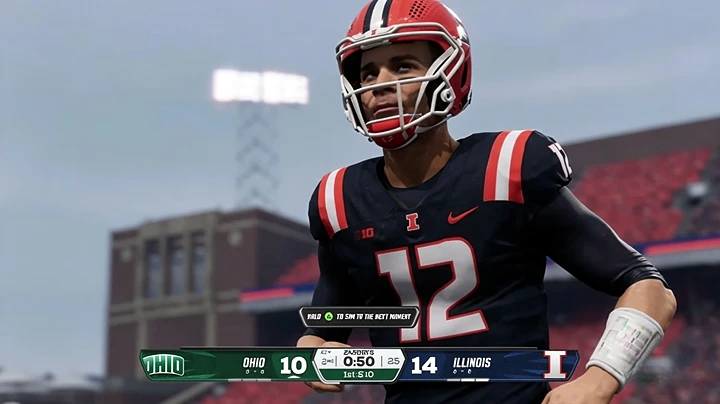
When your number is called, you’ll likely have only 2-3 plays to choose from – coaches don’t trust young QBs with the full playbook.
Survive your debut:
Take short completions – a 4-yard gain beats a risky deep ball.
Don’t force throws – interceptions destroy coach trust and can get you benched.
Scramble when needed – 5-10 yards on the ground is safer than a sack.
Read the spy – identify the linebacker watching you; attack the opposite side.
Play-calling frustration: you’ll get bad calls (run on 2nd-and-long, screens with no blocks). You can’t change the plays, but you can audible if available. Even a 2-yard gain on a bad call is better than a turnover. As trust grows, more freedom unlocks.
Part 5: Smart In-Game Decisions
RPOs are your best weapon. They let you react to the defence in real time:
If the LB crashes run – throw the quick slant.
If the secondary gives cushion – hand it off.
If a spy is lurking – wait half a second before committing.
If a blitz comes – hit your hot route immediately.
Rolling out: it buys time but narrows your windows. Over-rolling (60% of plays) gives +2.3 yards per attempt but +1.2 interceptions per game. The sweet spot is 30-40% – use it on broken plays and designed bootlegs.
Clock management wins close games:
Snap with 2-3 seconds on the play clock.
Run when the defence shows pass coverage.
Avoid incomplete passes – they stop the clock.
Use sideline routes to gain yards and keep the clock moving.
Part 6: Developing After Games
Spend skill points wisely. Priority order for QBs:
Throw Accuracy – affects every pass.
Throw Power – helps deep balls and tight windows.
Speed – extends plays and scrambles.
Play Action – improves RPO effectiveness.
Carrying – if you run often, reduce fumbles.
Coach relationships: your performance affects coaching job security. If you’re a backup and the team loses, the coach gets fired – you’ll start over with a new system. Getting on the field early can save both of you.
Setbacks happen. In testing, a debut game with 210 yards, 51.9% completion, 1 INT and 3 TDs was followed by a much better second game. Growth compounds across multiple seasons – don’t panic after one bad outing.
Key Takeaways
Patience – you won’t start immediately; use bench time for academics and influencer growth.
Position battles are tough – practice bull’s-eyes and avoid sacks.
Off-field choices matter – academics and social decisions have real penalties.
Limited play calls are normal – earn trust to unlock more freedom.
RPOs give you options – read the linebacker’s first step.
Scramble sparingly – 30-40% of plays is the sweet spot.
Your play affects coaching stability – winning helps everyone.
One game doesn’t define you – focus on steady improvement.
Conclusion
Becoming QB1 in CFB 27’s Road to Glory takes patience, smart choices, and disciplined execution. You’ll face harder battles, bad play calls, and frustrating losses – but consistent practice and intelligent development will turn your player into a program leader. For those looking to accelerate progress or build a complete roster, having enough College Football 27 Coins can also support your Ultimate Team and recruiting goals.
Stick with it – the journey from third string to starter is worth every snap.