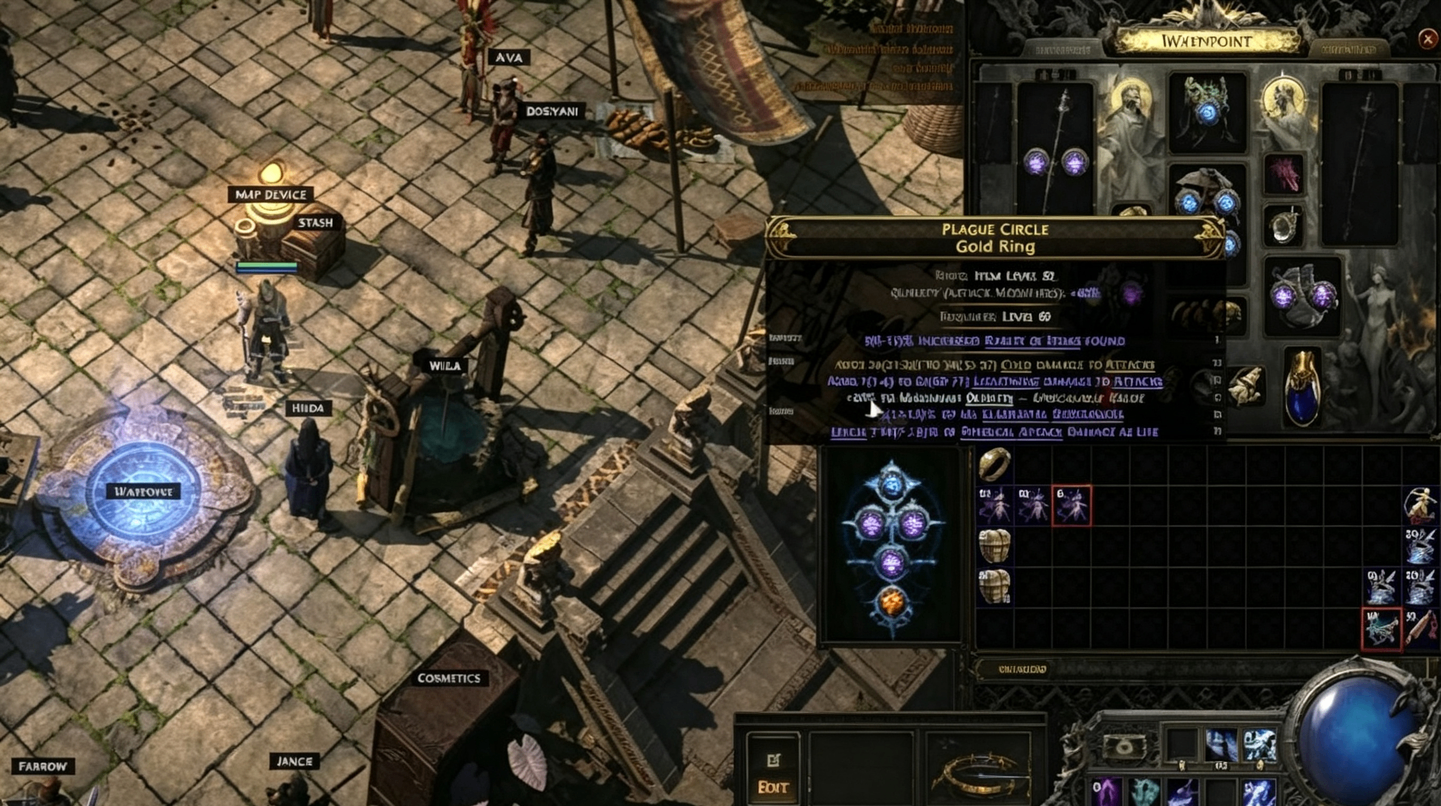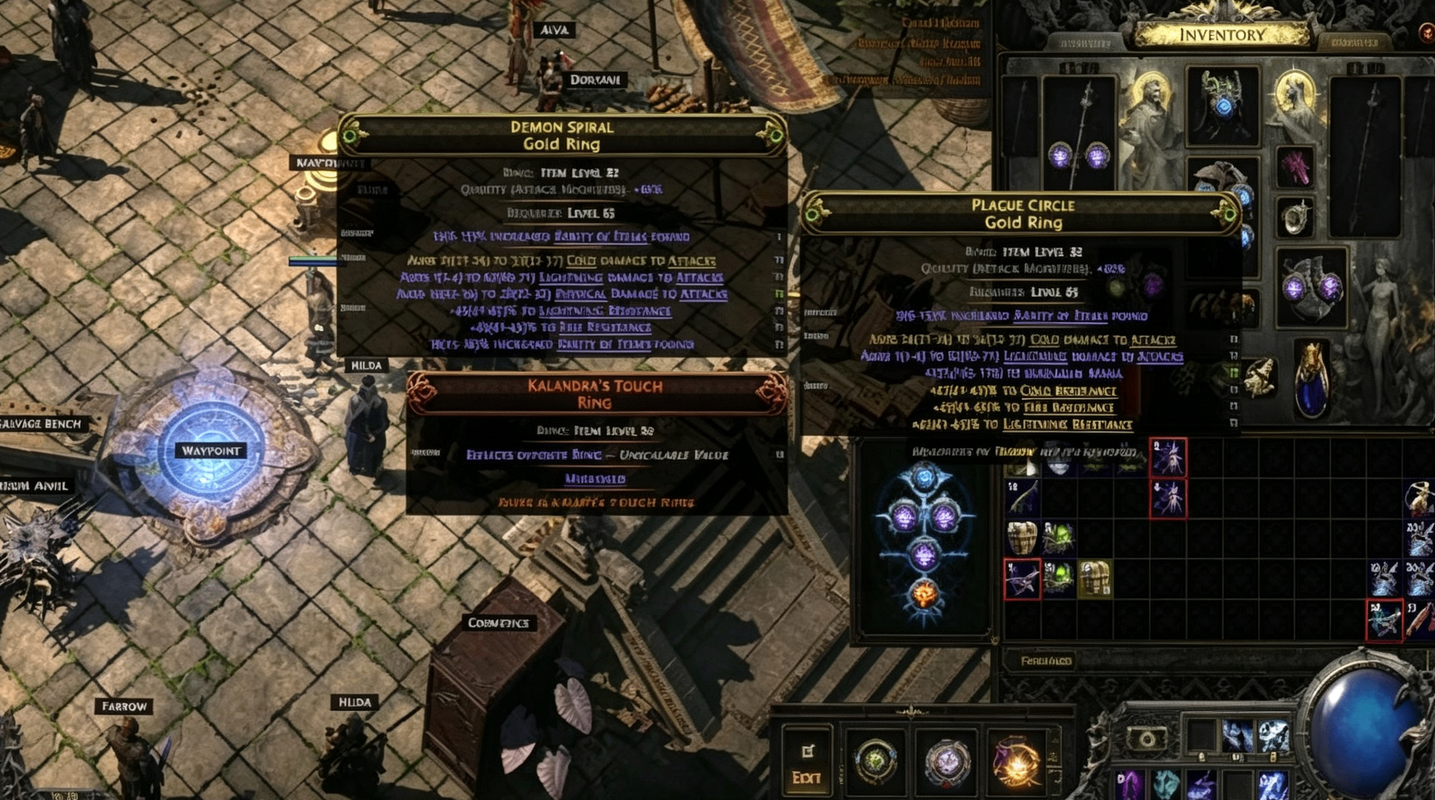






PoE 2 Ringcraft Guide: How to Craft Attack Breach Rings – Step-by-Step Method
Summary
This guide covers the updated method for crafting high-end attack breach rings. Before we dive in, two important disclaimers: the ring market is currently weak late in the league, and this craft involves significant variance from whittling. You could spend 600-700 divines worth of POE2 Currency unluckily or get it done in 200. The going rate for finished rings is around 400-500 divines, making this a poor profit craft right now. However, if you're crafting for personal use or want to understand the method for earlier league opportunities, this breakdown covers everything.
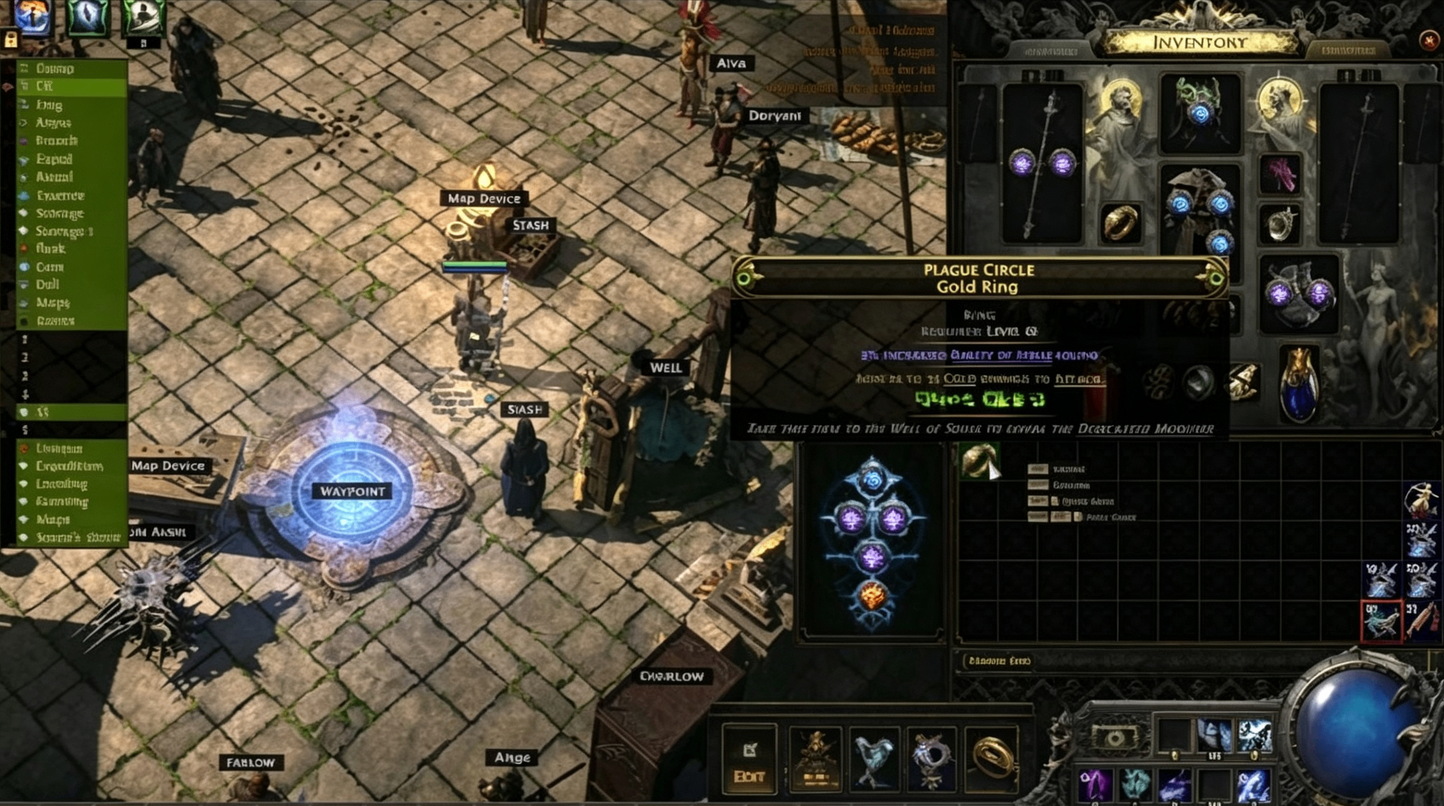
Step 1: Base Selection
Start with an item level 82 gold ring with a fractured flat damage modifier. Cold is the preferred choice for Herald of Ice synergy, but lightning or fire work as well.
Trade search parameters:
Item Level: 82 minimum
Stat: Tier 1 flat elemental damage (any type)
Not corrupted
Not sanctified
Quality filter: important to check that 40% quality isn't making a tier 2 mod appear as tier 1
A fractured base ensures one modifier is permanently locked, providing stability throughout the crafting process .
Step 2: Getting Your Second Flat Damage Modifier
With your fractured base, use Chaos Orbs to roll for a second tier 1 flat damage modifier. You want either fire or lightning (cold is already your fractured mod). Avoid physical damage as it has higher weight and makes the roll harder.
Key points for this step:
Don't aim for a specific element; take whichever one hits first
Expected cost is around 400-500 chaos orbs on average
Can go much higher with bad luck (some players report 2,000+ chaos)
The odds of hitting any tier 1 elemental flat damage are approximately 1 in 204 .
Step 3: Adding Quality and Suffix Setup
After securing your second flat damage prefix, you need to add a suffix and apply proper quality:
Use a suffix-designating omen with an exalted orb - it doesn't matter what it hits
Use a breach essence with a suffix essence designator (dextral crystallization) to replace what you just slammed
Critical step: Apply attack quality first before proceeding with any further crafting
Don't forget this step. Many rings have been bricked by skipping the quality application at this stage.
Step 4: The Prefix Slams
With your prefixes partially filled, use perfect exalted orbs for single slams. Arguments exist for double slams, but single slams preserve the option to hit a second tier 1 res on the next attempt, saving multiple whittles.
Process:
Activate catalyzing omen
Apply perfect exalted orb
If you hit a tier 1 resistance, you've saved significant currency
Repeat for the second slam
Between each slam, reapply your catalyst quality (fire or lightning). The choice of catalyst type doesn't dramatically affect outcomes.
Step 5: The Whittling Phase
This is where the craft gets expensive. You'll need approximately 20-26 whittling omens.
First whittle objective: Move the quality modifier into a suffix slot. There's roughly a 50/50 chance each whittle gives you a prefix or suffix. Keep whittling until the quality becomes a suffix.
Once the quality is in a suffix slot, proceed to:

The Desecration Step
Use preserved collarbones and abyss items to add a desecrated modifier. You're looking for an item level 75 mod (tier 1 flats, tier 1 mana, etc.) to use as a "blocker" while you whittle suffixes safely .
The reasoning: You want to whittle your suffixes without accidentally targeting the desecrated prefix. A high item level mod can be whittled away later if needed.
Step 6: Building Suffix Resistances
Continue whittling suffixes until you hit your desired resistance modifiers. The whittle step is actually quite forgiving because attack rings have many acceptable outcomes:
Tier 1 elemental resistances (any single element)
Tier 1 chaos resistance
Rarity of items found
All elemental resistances
Attack damage leeched as mana
With two tier 1 resistances locked in, you're safe from whittles removing them. The third suffix becomes a low-stakes gamble: you have approximately a 1 in 30 chance per whittle to hit any desirable mod .
Step 7: Finishing the Prefixes
With suffixes complete, switch to omens of light and preserved collarbones to finish your prefixes. You're looking for:
Tier 1 physical damage
Tier 1 fire damage
Rarity of items found
The odds here are roughly 1 in 60 for rarity, with other desirable mods having lower weights. With 15-20 omens of light, you should hit something acceptable .
Accepts/able settling points:
Tier 2 physical or fire damage (budget option)
Rarity (always valuable)
Any tier 1 flat damage type
Step 8: Pricing and Market Context
Finished rings are typically priced around 550-625 divines depending on exact rolls. All resistances as a suffix tends to command higher prices because it pairs well with mirrored ring setups (two rings = 90% all res).
Market realities:
Late league market is poor for attack rings
Early league when whittles are cheap (34 divines), this craft prints currency
Expected total cost: 300-400 divines
Liquidity is poor; expect to hold inventory
Common Pitfalls to Avoid
Forgetting quality before starting whittles - This has bricked multiple perfect rings
Aiming for specific mods during chaos rolling - Take whatever tier 1 hits
Not using catalyst quality - Essential for maximizing prefix rolls
Whittling without a high-level desecrated mod - Increases risk of hitting important prefixes
Why This Craft Works
The method relies on the weighting system of modifiers. Once you have two tier 1 resistances locked on suffixes, the whittles can only target your remaining undesirable mods. The final suffix slot has approximately 30,000 total weight, with:
1,000 for tier 1 elemental resistances
800 for all resistances
1,000 for rarity
1,000 for attack damage leeched as mana
With multiple desirable outcomes, the last whittle becomes very forgiving .
Final Notes
This craft is best attempted early in a league when whittling omens are cheap and attack builds are popular. Late league, you're better off buying a ring outright or waiting for the market to shift.
For those attempting it: good luck. The variance is real, but the method is sound and the resulting rings are among the best available for attack-based builds.