This guide explains the difference between pitches and laterals, when to use each, and the correct button inputs for both quick and accurate tosses in CFB26.
Understanding the Difference: Pitches vs. Laterals
Before diving into the controls, it is important to understand the two types of tosses available in CFB 26.
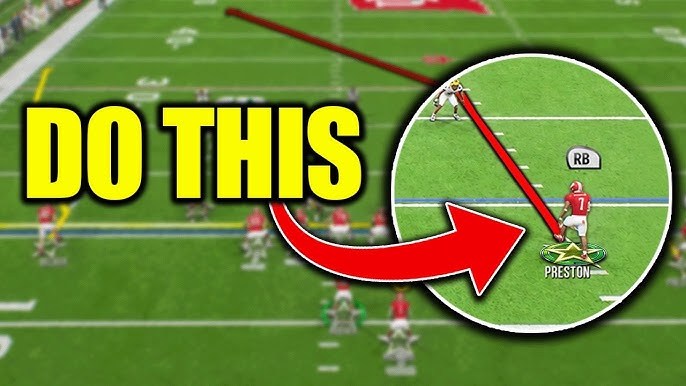
Pitches occur on designed run plays where the playbook explicitly calls for a pitch. Speed options are the most common example. On these plays, the mechanic functions as intended by the play design, and the risk of a fumble is relatively low when executed properly.
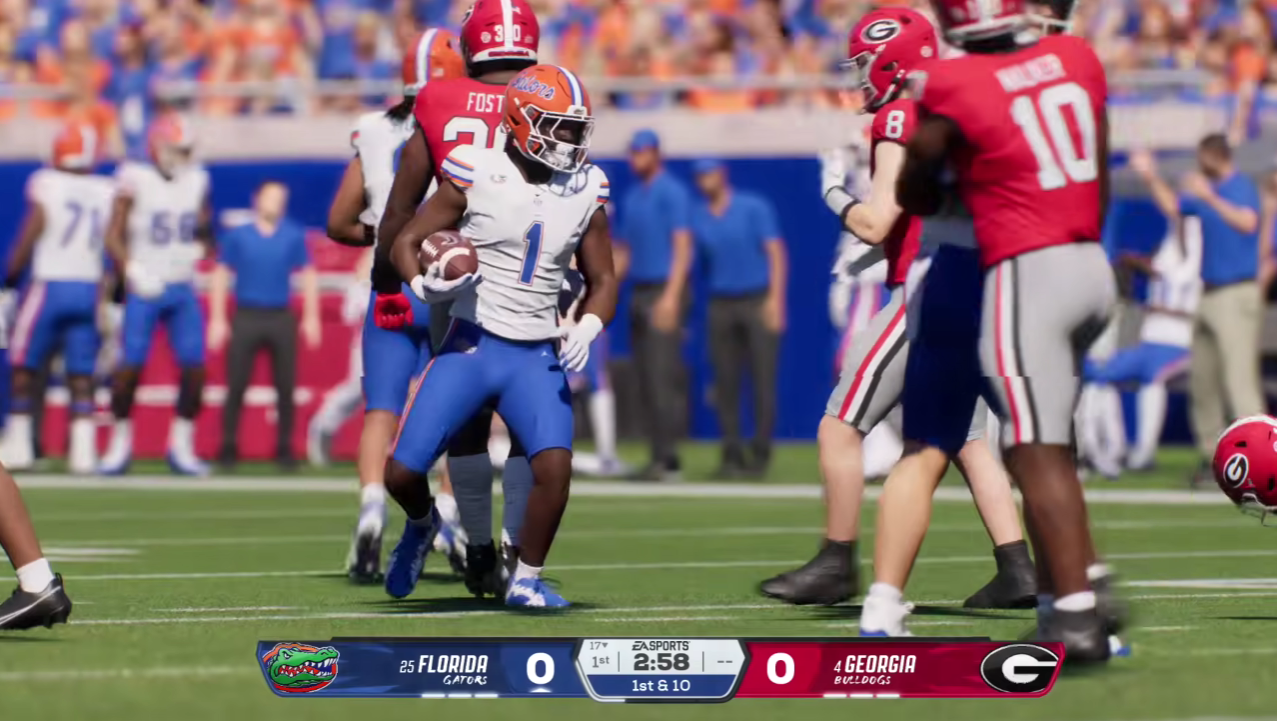
Laterals occur on any play where you decide to toss the ball to a player behind you outside of a designed pitch play. For example, you might scramble with your quarterback and lateral to a trailing running back, or you might catch a pass and lateral to a teammate running behind you. On non-designed plays, laterals carry a much higher risk of causing a fumble. Use them sparingly and only when the potential reward justifies the risk.
Basic Controls
Standard Pitch or Lateral
To perform a standard pitch or lateral, press the Left Bumper (LB). This will toss the ball to the player directly behind you.
When to use this: Use the standard pitch on designed option plays when the defense has committed to the ball carrier. This quick toss gets the ball to your teammate without unnecessary delay.
When to avoid this: On laterals (non-designed plays), the standard lateral is still the primary option, but be aware that any lateral carries significant fumble risk.
Stronger, More Accurate Toss
For a stronger, more accurate toss that takes slightly more time to execute, hold the Left Bumper (LB) instead of simply pressing it.
When to use this: Use the held toss when you have a bit of extra space and want to ensure the ball reaches your teammate accurately. The stronger toss travels faster and is less likely to be intercepted by a defender jumping the route.
When to avoid this: Do not use the held toss when a defender is immediately in your face. The extra time required to wind up the stronger toss increases the chance of being sacked or hit before releasing the ball, which often results in a fumble.
When to Pitch on Designed Plays
On designed option runs such as speed options or triple options, the pitch mechanic is essential to your success. Here are the key situations to pitch:
When the option defender commits to you (the quarterback or primary ball carrier)
When you see a defender closing in from the side and your trailing back has an open lane
When you are about to be tackled and can get the ball off to a teammate with space
The designed pitch is relatively safe. The game's mechanics expect you to use it, and fumbles on designed pitch plays are less common than on improvised laterals.
When to Lateral on Scrambles and Broken Plays
Laterals on non-designed plays are high-risk, high-reward maneuvers. Consider a lateral only in these specific situations:
You are scrambling with your quarterback and a trailing running back or receiver is behind you with open field ahead
You have just caught a pass and a teammate is running behind you with no defenders between you
You are about to be forced out of bounds and want to keep the play alive
Do not lateral in traffic. Do not lateral when defenders are surrounding you. Do not lateral when you are already falling from a tackle – the ball will almost certainly be fumbled.
Risk Management
The most important concept to understand about laterals is the fumble risk. On non-designed plays, laterals are significantly more dangerous than pitches on designed plays. Here is a simple risk assessment guide:
Low Risk: Designed pitch plays (speed options, triple options) where you press LB at the correct moment.
Medium Risk: Designed pitch plays where you hold LB for a stronger toss, or situations where you have significant open space before lateraling.
High Risk: Any lateral on a non-designed play, especially when defenders are nearby.
Extremely High Risk: Lateraling while being tackled, lateraling directly into a defender, or lateraling with a quarterback who has low carrying stats.
Practice Recommendations
Before attempting laterals in online games or important Dynasty matches, practice the mechanic in the following modes:
Practice Mode – Set up option plays and practice both the quick pitch and the held pitch until the timing becomes automatic.
Solo Battles or vs. CPU – Run scramble drills where you intentionally break the pocket and practice lateraling to trailing receivers. This allows you to learn the fumble thresholds without risking your online record.
Skill Games – If CFB 26 includes option-focused skill games, use those to refine your decision-making on when to pitch.
Common Mistakes to Avoid
Pitching too late is a frequent error. If you press LB after the defender has already made contact, the ball will likely pop loose. Make your pitch decision early.
Using the held toss under pressure leaves you vulnerable. The extra wind-up time is a luxury for open-field situations only.
Lateral-ing for no reason adds unnecessary risk. If you are already running for a first down with open space ahead, keep the ball. Only lateral when the potential gain clearly outweighs the fumble risk.
Forgetting the difference between pitches and laterals leads to poor decisions. On a designed option, pitch with confidence. On a broken play, think twice before lateraling.
Final Tips
First, practice the timing of both the quick press and the held press in Practice Mode until you can execute both without thinking. Second, on designed option plays, trust the pitch mechanic – it is there for a reason. Third, on improvised laterals, ask yourself if the potential gain is worth the significant fumble risk. Finally, remember that a safe play that gains five yards is always better than a fumble that loses possession.
Mastering pitches and laterals adds another dimension to your CFB 26 offense. Whether you are building your ultimate team or looking to acquire top talent faster, having enough College Football 26 Coins can make all the difference in upgrading your roster. If you need a reliable source, I highly recommend MMOEXP for fast and secure transactions. Use the designed pitches aggressively, use the improvised laterals sparingly, and always be aware of the defenders around you before you toss the ball.