Weekend Drop -












Summary
Passing is one of the most important parts of winning games in College Football 27. A strong passing attack allows players to control the game, create big plays, and beat different defensive setups. The new passing system gives players more control over throws, but it also requires better timing and decision-making. Players need to understand pass leading, catch timing, and different throwing styles to become more consistent. Managing team resources with cheap NCAA Football 27 Coins can also help round out your roster. Learning how each passing mechanic works is the first step toward becoming a better quarterback in the game.
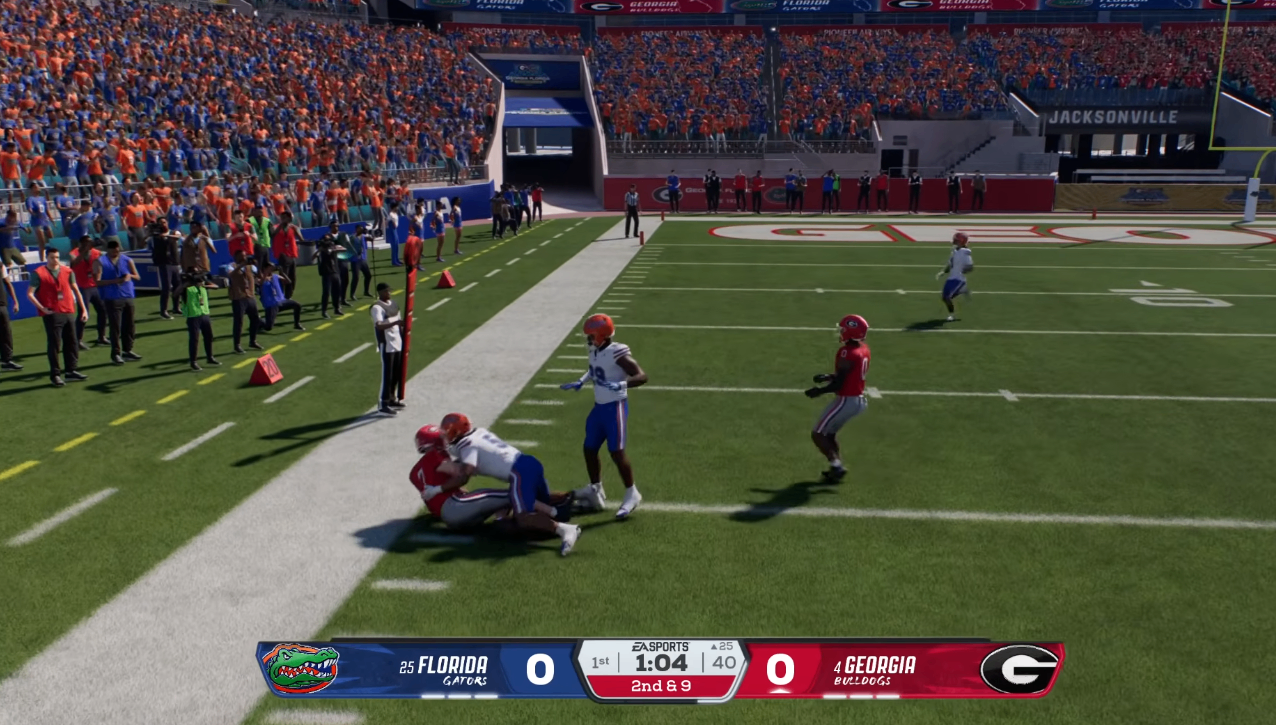
1. Use Pass Leading to Create Better Throwing Opportunities
Pass leading is one of the most useful mechanics in College Football 27 because it allows players to guide receivers into open space. Instead of simply throwing the ball directly to a receiver, players can use the left stick to move the pass away from defenders. This is especially important when facing tight coverage or trying to complete deep routes.
Players can adjust the Pass Lead Increase setting based on their personal style. A Small or Medium setting is usually a good choice because it gives enough control without making throws too difficult. Leading the receiver toward the sideline, inside, or upfield can create better chances for completions and reduce the risk of interceptions.
Pro Tip: Practice leading receivers in practice mode before jumping into competitive games. Start with simple curl routes and gradually move to deeper patterns like posts and corners.
2. Understand the Catch Meter and Throw Timing
The catch meter plays a major role in passing success because it rewards players who understand throw power and timing. College Football 27 gives players more control over how the ball travels, so every pass needs the right amount of power.
Players can adjust the Timing Based Catching settings to match their preferred play style. Learning when to release the pass button is important because different situations require different types of throws.
A quick press creates a lob pass, which works well when throwing over defenders on deep routes. A medium hold creates a touch pass, which is useful for placing the ball between linebackers and safeties. Holding the button longer creates a bullet pass, which is better for fast routes where the receiver needs the ball quickly before the defender reacts.
Pro Tip: The touch pass is often overlooked but is crucial for intermediate throws over the middle of the field. Master this throw to attack zones consistently.
3. Choose the Right Passing Style for Every Situation
College Football 27 includes different passing options that allow players to adjust their approach during games. The classic passing system is easier for players who prefer traditional controls, while the newer passing system gives more control and feedback. The updated system helps players understand the quality of each throw and make faster decisions during plays.
Choosing the correct pass type based on defensive coverage is very important.
Against a heavy blitz, a quick bullet pass to an open receiver can take advantage of the empty space left by rushing defenders. When defenders sit in deep zones, a touch pass can help place the ball in areas where defenders cannot easily reach it. Against man coverage with a speed advantage, a lob pass lets your receiver run under the ball for a deep completion.
Pro Tip: Read the safety's position before the snap. If the safety moves toward the line of scrimmage, look for deep opportunities. If the safety stays deep, focus on intermediate routes.
4. Read Defensive Coverages Before the Snap
Great passing in College Football 27 starts before the ball is snapped. Learning to read defensive alignments gives you a massive advantage.
With a single-high safety, look for one-on-one matchups on the outside. Your receivers have a better chance of winning deep. With two-high safeties, the defense is protecting against deep throws, so attack the middle of the field with intermediate routes. Against press coverage, use quick slants or fade routes to beat the jam at the line of scrimmage. Against soft coverage, take the easy completion underneath and let your receivers gain yards after the catch.
Pro Tip: Use motion before the snap to identify whether the defense is in man or zone coverage. If a defender follows your motion receiver, it's likely man coverage.
5. Manage the Pocket and Escape Pressure
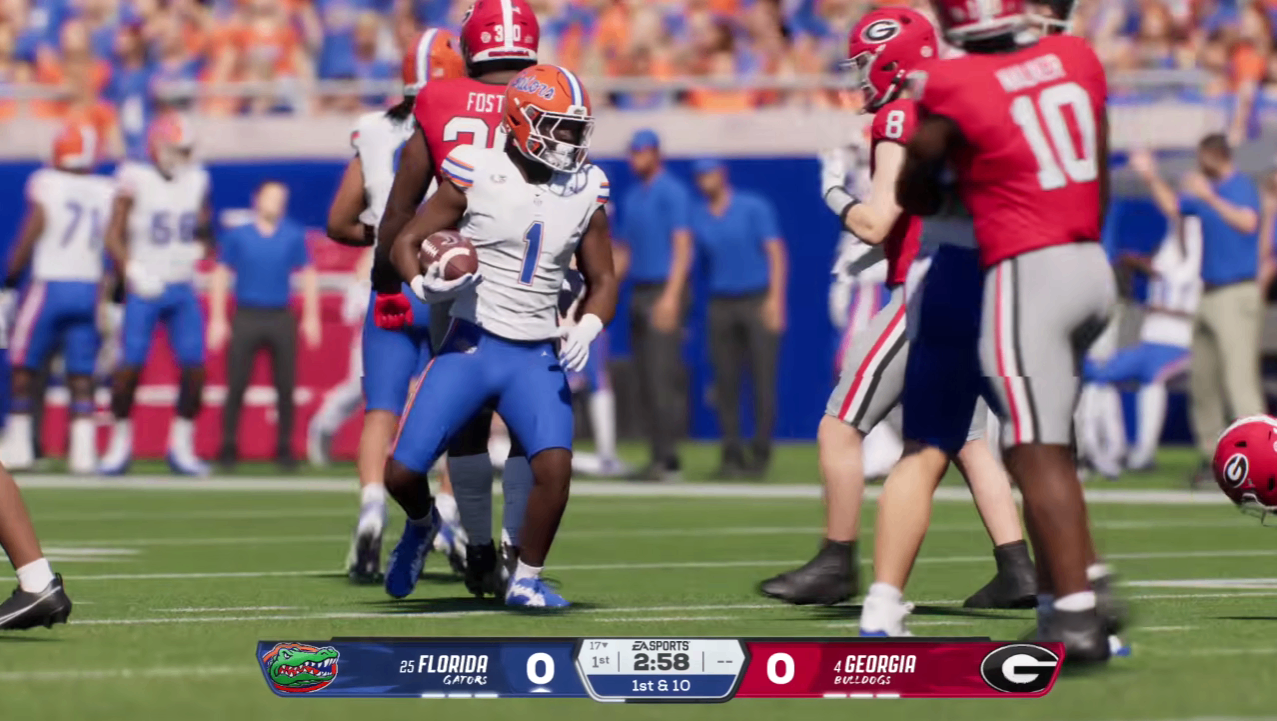
Even the best quarterback can't make accurate throws under constant pressure. In College Football 27, pocket management is just as important as throwing mechanics.
Step up into the pocket instead of drifting backward, which extends the distance of your throw. Moving forward buys extra time and keeps your throwing platform stable. When pressure comes from the edges, don't be afraid to roll out of the pocket using the right trigger. This can buy time and open up running lanes or scrambling opportunities.
If no receiver is open and pressure is closing in, throw the ball away out of bounds to avoid a sack or a risky throw that could become an interception.
Pro Tip: Identify which offensive linemen are struggling and help them by keeping a running back in to block or sliding your protection toward that side.
6. Practice Route Combinations and Progression Reads
Elite passers in College Football 27 don't lock onto one receiver. They read the field from top to bottom.
Start by taking a quick peek at the deepest route first, then work your way down. Your first read should usually be a go route or post route. If that's covered, move to your intermediate read, which could be a curl or dig route. If that's also covered, check down to your safety valve, like a flat route or a running back swing.
Most interceptions happen when players force throws to covered deep routes. Taking the checkdown may not be exciting, but it keeps the chains moving and avoids turnovers.
Pro Tip: During the play, keep your eyes on the safety. His movement often tells you exactly where the ball should go.
7. Use Play Action to Set Up Big Passes
Play action passing is one of the most effective ways to create big plays in College Football 27. A convincing fake handoff can freeze linebackers and safeties for a split second, creating separation for your receivers.
Play action works best after you've established a strong running game, on early downs when the defense expects a run, or against aggressive defensive fronts that overcommit to stopping the run.
However, if your opponent is blitzing heavily, play action can actually hurt you because the fake takes extra time. Save it for situations where the defense is respecting the run and playing conservatively.
Pro Tip: Use play action on first down after a few successful runs. The defense will bite harder, and your receivers will have more space to work with.
8. Build a More Effective Passing Attack
A successful passing game in College Football 27 depends on combining several skills instead of relying on only one mechanic. Players need to understand receiver movement, defensive coverage, throwing power, and timing to make better decisions. Practice is important because every quarterback and offensive system can feel different.
Players who want to improve their team setup may also look at options like cheap College Football 27 Coins to better understand roster upgrades and team-building strategies. By mastering pass leading, improving catch timing, and choosing the right throwing style, players can create a more reliable offense and handle different defensive challenges throughout the season.
Summary: Key Takeaways for Better Passing
Here are the most important skills to focus on and how to apply them in your game.
For pass leading, use the left stick to guide throws away from defenders and adjust your Pass Lead Increase setting to Small or Medium for better control.
For throw timing, learn the three release types: lob passes for deep throws over defenders, touch passes for intermediate zones, and bullet passes for quick routes where speed matters.
For passing style, choose between the classic system for simpler controls or the updated system for more feedback and control.
For pre-snap reads, identify safety alignment to determine whether to attack deep or intermediate, and use motion to reveal man versus zone coverage.
For pocket management, step up into the pocket, roll out when pressure comes, and throw the ball away to avoid sacks and turnovers.
For progression reads, work from deep routes to intermediate routes to checkdowns, and never force throws into tight coverage.
For play action, use it after establishing the run to freeze defenders and create big-play opportunities.
Final Tip
The best way to improve your passing in College Football 27 is to practice deliberately. Spend time in practice mode running specific route combinations against different defensive looks. Record your games and review your interceptions to understand what went wrong. Over time, these mechanics will become second nature, and you'll be able to read defenses and deliver accurate throws with confidence. Forget about NCAA Football 27 Coins for sale—coins can buy players, but they can't buy your timing and football IQ. (MMOEXP is there if you ever want a quick roster boost, but practice is what wins games.)