Weekend Drop -














Summary
Losing close games in College Football 27 often comes down to small mistakes rather than bad teams. Missed run fits, risky throws, poor defensive adjustments, and low-percentage play calls can quickly turn a winning drive into a loss. This guide follows a complete gameplay flow, covering ten practical techniques that improve both offense and defense. Whether you're playing Dynasty, Road to Glory, or online head-to-head, these tips can help you make better decisions and use your roster more effectively. If you're building your Ultimate Team, managing College Football 27 Coins wisely alongside these gameplay improvements will further strengthen your long-term progress.
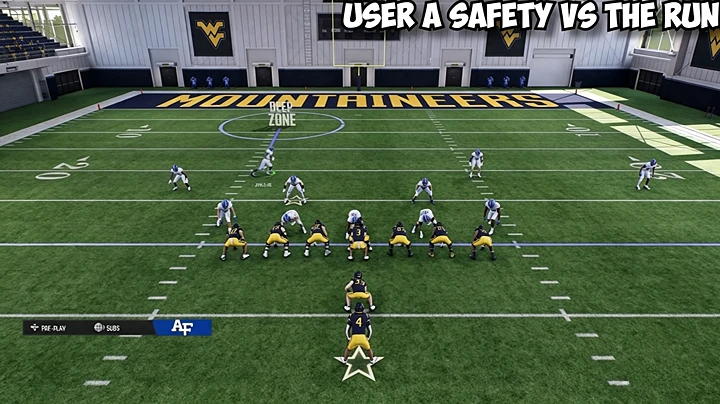
Step 1: User a High Safety to Stop the Run
The running game is one of the biggest offensive threats in College Football 27.
Instead of relying entirely on AI defenders, manually control the high safety on the weak side of the formation.
How to play the run
Stay about 10 yards deep.
Flow over the top instead of attacking immediately.
Shoot the gap only after identifying the run lane.
If necessary, absorb a blocker to free your linebackers.
One recommended coverage for this technique is Cover Four, allowing the weak-side safety to fill against outside and inside runs without sacrificing pass coverage.
Correct Method
Stay patient.
Take an outside-in angle.
Force the runner back toward help.
Incorrect Method
Charge downhill immediately.
Get caught in traffic before reaching the ball carrier.
Step 2: Use High Ball Passing in Tight Windows
Many interceptions happen because passes stay at chest level.
When throwing over underneath defenders, use a High Ball.
How to perform it
Hold LB (Xbox) or L1 (PlayStation).
Throw a bullet pass.
Use possession catches when expecting contact.
High Ball Passing works particularly well on:
Seam routes
Post routes
Deep in-breaking throws
Why?
The receiver attacks the football above the defender, greatly reducing interception opportunities.
Step 3: Shade Your Coverage Based on the Situation
Many players leave coverage shading on the default setting all game.
Instead, adjust it according to down and distance.
Shade Underneath
Best for:
Third-and-short
Red zone defense
Quick underneath routes
Shade Over Top
Best for:
Preventing explosive plays
Deep passing situations
Remember that Zone Drops override shading, so adjust both settings together when necessary.
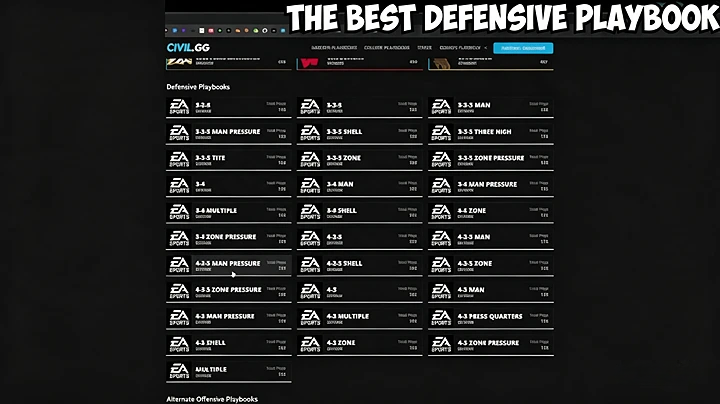
Step 4: Build Your Defense Around the Right Playbook
Rather than relying on individual plays, start with a flexible defensive playbook.
The guide recommends 425 Man Pressure because it offers multiple formations for different situations.
Key formations include:
4-3 Even 6-1
4-2-5 3 High
Nickel Over
Nickel Wide
Dime Normal
Dime 32
This combination provides reliable run defense while maintaining strong pass-rush options throughout a game.
Step 5: Stop RPOs Without Guessing
RPOs force defenders into difficult decisions, but you can reduce their effectiveness with a simple adjustment.
Follow this sequence
Call a zone defense.
Identify the primary RPO receiver.
Manually assign another defender to cover that receiver.
Do not assign the Read Key Defender.
The Read Key Defender cannot properly defend the RPO read, so choosing another defender creates more consistent coverage.
Incorrect Method
Assign the Read Key Defender to the RPO receiver.
Correct Method
Use another nearby defender with better leverage.
Step 6: Improve Your Own RPO Blocking
Do your RPOs fail because one defender comes through untouched?
Use the Untarget Menu before the snap.
How
Hold Left Trigger.
Open the Untarget Menu.
Move blocking priorities away from defenders who are unlikely to make the tackle.
Redirect blockers toward the most dangerous defender.
This adjustment often turns an untouched defender into a blocked defender, creating much cleaner running lanes after the catch.
Step 7: Add Screen Passes to Your Offense
A well-timed screen keeps the offense balanced.
One particularly effective option is the Motion Halfback Swing Screen.
Why use it?
Simple reads.
Reliable short-yardage gains.
Forces defenders to respect the perimeter.
If needed, use the Untarget system again to improve blocking assignments before the snap.
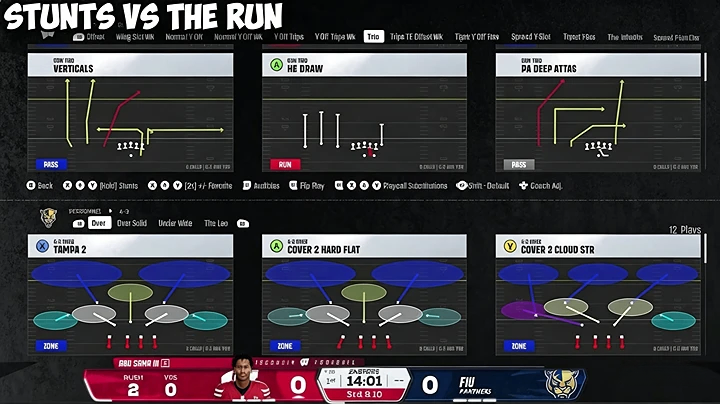
Step 8: Use Defensive Stunts Against Different Runs
Defensive line stunts are no longer only pass-rush tools.
They also improve run defense.
Against inside runs
Use:
Texas Fourman Stunt
The looping defenders clog interior running lanes and create penetration.
Against outside runs
Switch to:
El Paso Fourman
Its looping path helps contain stretch and outside zone concepts.
Choose the stunt based on your opponent's tendencies rather than calling the same one every play.
Step 9: Use Cut Stick Tackles to Increase Wear and Tear
Winning isn't always about forcing turnovers.
Sometimes it's about slowing down the opponent's best players.
Use the Cut Stick by flicking the Right Stick Down during one-on-one tackles.
Repeated Cut Stick tackles rapidly increase Wear and Tear, reducing important ratings such as:
Speed
Throw Power
Throw Accuracy
Over time, even elite players become much less effective.
Step 10: Remove Low-Percentage Plays From Your Playbook
Not every play deserves a place in your game plan.
Review your favorite formations and eliminate plays that consistently produce poor results.
Examples highlighted include:
Halfback Toss Split Zone
Halfback Zone Toss
Wide Receiver Reverse
Fullback Fake Halfback Flip
Slow-developing Halfback Counters
Slow Tight End Screens
Correct Method
Keep plays that consistently gain positive yards.
Incorrect Method
Continue calling low-percentage plays simply because they occasionally produce big gains.
A smaller playbook built around reliable concepts usually leads to more consistent offensive drives.
Key Takeaways
User the weak-side high safety to improve run defense.
Use High Ball Passing to complete throws over underneath defenders.
Adjust coverage shading according to down and distance.
Build your defense around the versatile 425 Man Pressure playbook.
Stop RPOs by manually covering the primary receiver with the correct defender.
Improve RPO blocking using the Untarget Menu.
Mix in Motion Halfback Swing Screens for consistent short-yardage offense.
Match Texas Fourman and El Paso Fourman stunts to different running concepts.
Use Cut Stick tackles to increase Wear and Tear.
Remove low-percentage plays from your offensive game plan.
Conclusion
Winning consistently in College Football 27 is less about mastering complex mechanics and more about making smart decisions before and after each snap. Strong user defense, efficient passing, better RPO management, effective defensive adjustments, and a streamlined playbook all contribute to more reliable performance over the course of a game. By applying these ten techniques in sequence, you can improve both offensive efficiency and defensive consistency while avoiding many of the mistakes that cost close games. Players looking to accelerate their team-building progress can also consider CUT 27 Coins alongside sound gameplay fundamentals.