Weekend Drop -




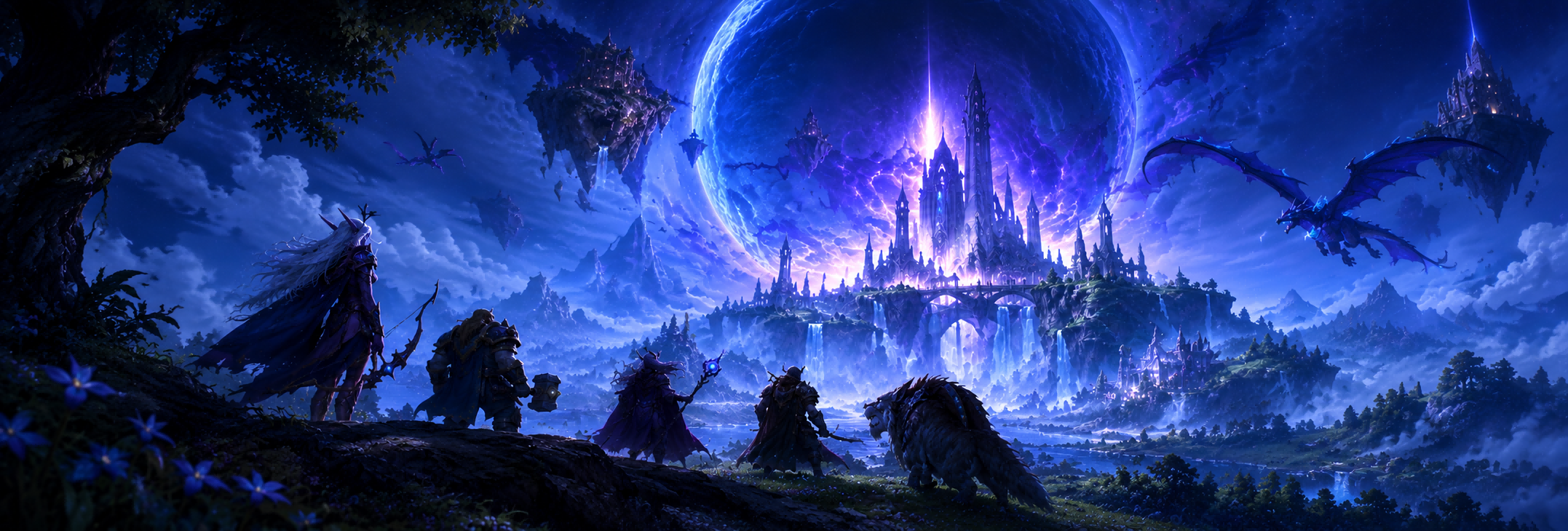
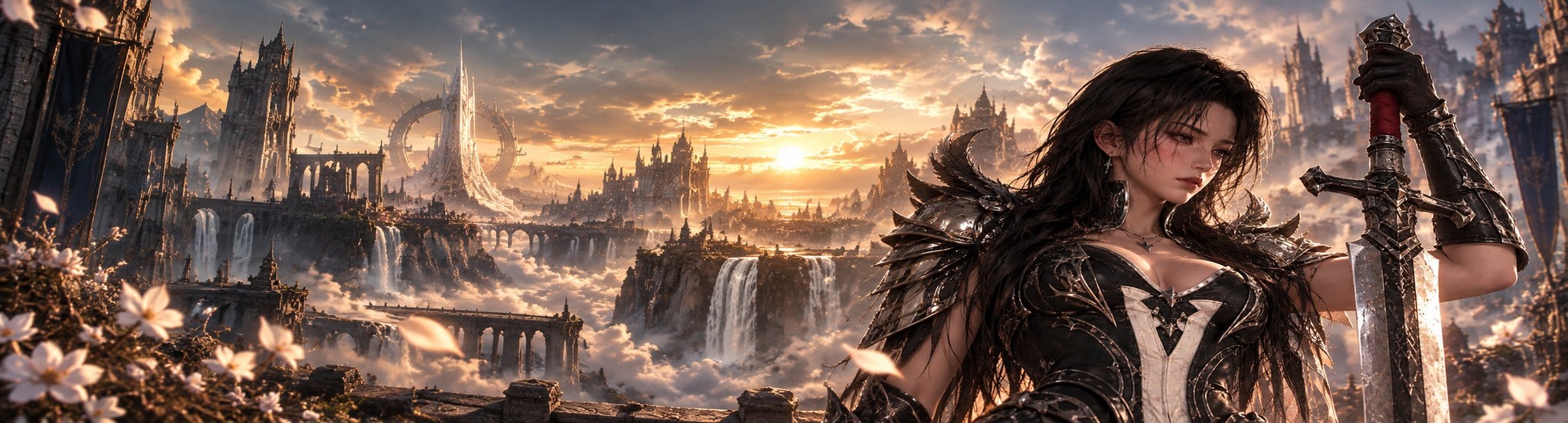
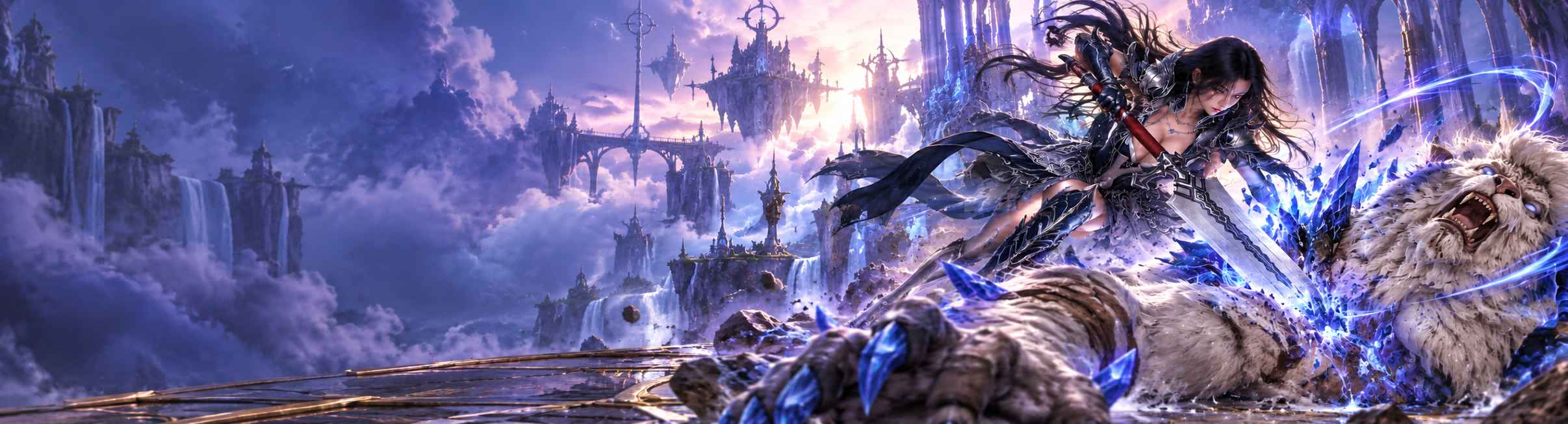






Summary: Leaked details from NCSoft's latest internal development updates reveal that the upcoming Unreal Engine 5 MMORPG, Aion 2, is deploying NVIDIA DLSS 5 as its secret weapon to maintain flawless performance during massive faction wars.
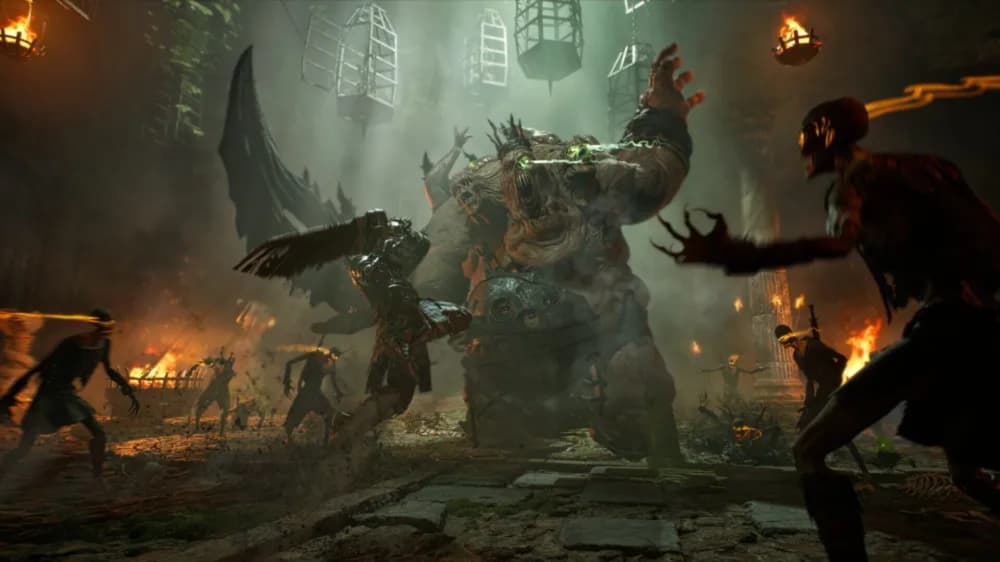
This newly uncovered technical strategy directly addresses the MMO community's biggest anxiety: taming UE5's brutal hardware demands during intense 100v100 PvPvE rifting combat before the game's early access kicks off on September 30, 2026.
For years, Aion veterans have remembered the intense lag of Abyss battles. With Aion 2 moving to the visually stunning but resource-heavy Unreal Engine 5, players have been skeptical about whether current-gen PC hardware can handle hundreds of players clashing on screen simultaneously. As players prepare their characters and resources for these large-scale battles, Aion 2 Kinah can also play an important role in getting ready for the game's demanding PvPvE content. These leaked specifications offer the first concrete proof of how NCSoft plans to deliver a smooth competitive experience.

Taming Unreal Engine 5: The Power of DLSS 5
According to the leaked technical specifications, NCSoft has been working behind closed doors with NVIDIA engineers to natively integrate DLSS 5 (Deep Learning Super Sampling 5) directly into the core engine architecture of Aion 2.
Unlike traditional upscaling, DLSS 5 introduces revolutionary AI-driven features designed specifically for high-density player environments:
Advanced Frame Reconstruction: The leaked data shows DLSS 5 can reconstruct missing sub-pixels caused by fast-moving spell effects, delivering up to a 40% frame rate boost in heavily crowded areas.
Micro-Stutter Elimination: The technology shifts heavy asset streaming loads away from the CPU, directly countering the micro-stutters that typically plague MMORPGs during massive 100v100 dynamic rift events.
Ray-Reconstructed Lighting: Players can keep high-end ray-traced reflections on celestial wings and weapons enabled without suffering the devastating performance drops usually seen in open-world combat.