Weekend Drop -







Summary
This review covers NCSoft's Unreal Engine 5 MMORPG Aion 2, set for a September 2026 global launch after its flawed 2025 Korean and Taiwanese debut. The game features a vastly expanded Atreia world, free flight, deep character customization, manual combat, diverse dungeons, and large-scale faction PvP. NCSoft fixed aggressive monetization and bugs, regaining massive active users. It still faces grindy crafting and upcoming MMO market competition. Tailored for classic MMO fans, it excludes casual players. As its in-game economy grows, players may buy Aion 2 Kinah to boost progression, with official channels recommended for safety.
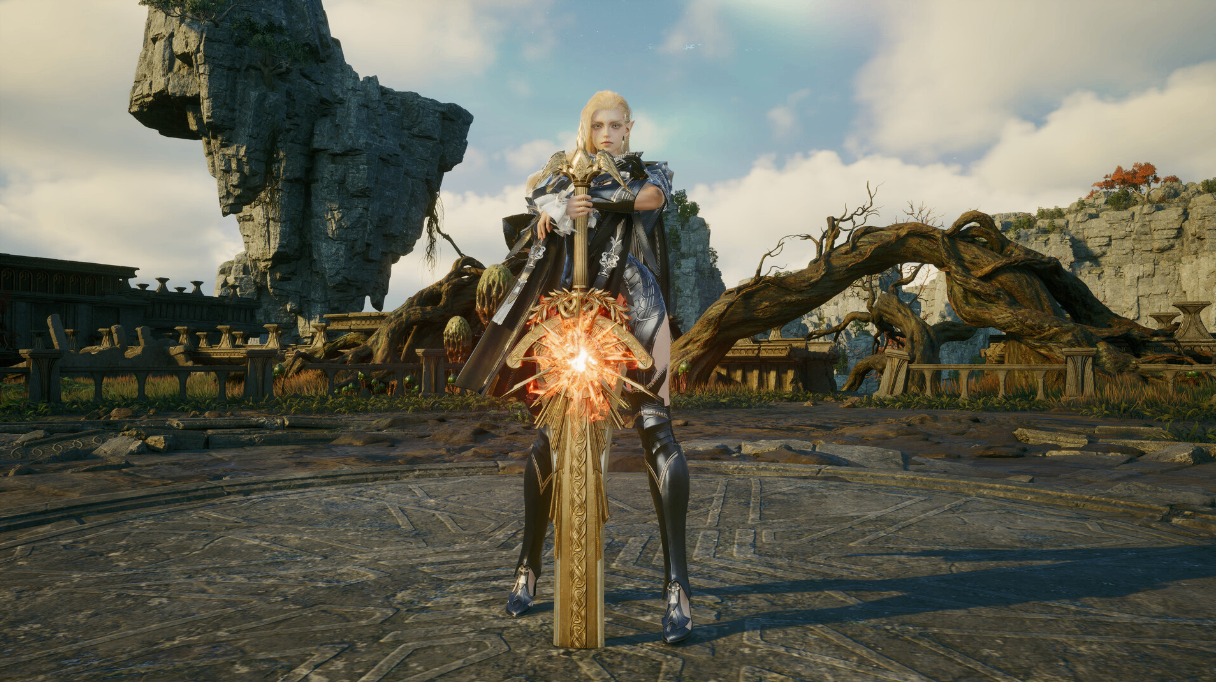
The MMORPG genre has faced tough times in recent years. Many players have shifted toward quick, competitive games or mobile titles packed with auto-play and gacha systems. Long-form experiences that reward patient character growth have struggled to stay relevant. Into this challenging landscape comes Aion 2, a new open-world title from NC Soft that aims to recapture the spirit of older MMOs while updating the formula for modern players.
Developed with Unreal Engine 5 and designed as a free-to-play PC game with optional in-app purchases, Aion 2 is scheduled for a global release, including Japan, in September 2026. It first launched in South Korea and Taiwan in November 2025. The early version sparked significant controversy, but the developers spent months addressing feedback. The question remains whether this sequel can overcome past criticisms and help reverse the so-called "MMO winter."
A Familiar World Expanded
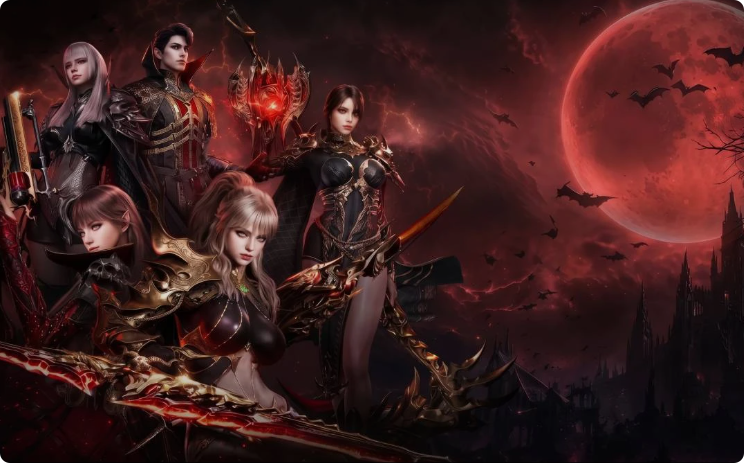
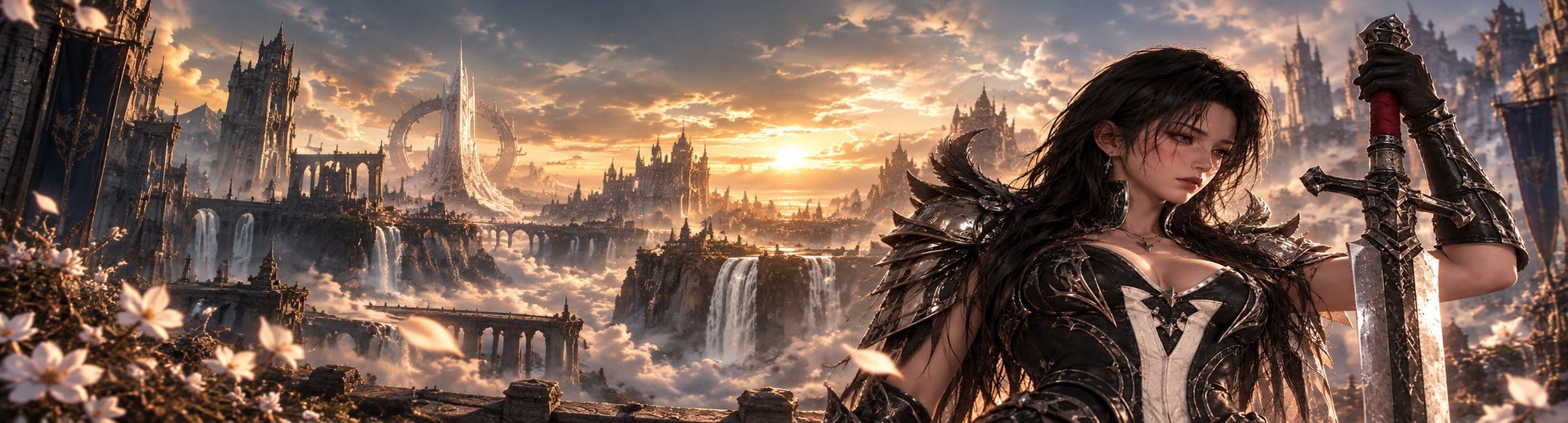
Aion 2 returns players to the fantasy world of Atreia. The playable area is reported to be roughly 36 times larger than in the original game. Players choose between the Celestial (Elyos) and Demonic (Asmodian) factions and take on the role of Daevas. A third force, the Dragon Clan, adds further conflict to the story.
One of the series' signature features returns in full force: free flight. Characters use wings to soar through the air, creating dramatic aerial trails and opening up exploration in three dimensions. Character creation offers extensive options, with more than 200 customization elements. Players can fine-tune details such as armor shapes, body proportions, and even fabric or metal textures through a dyeing system. Over 100 costumes are also available.
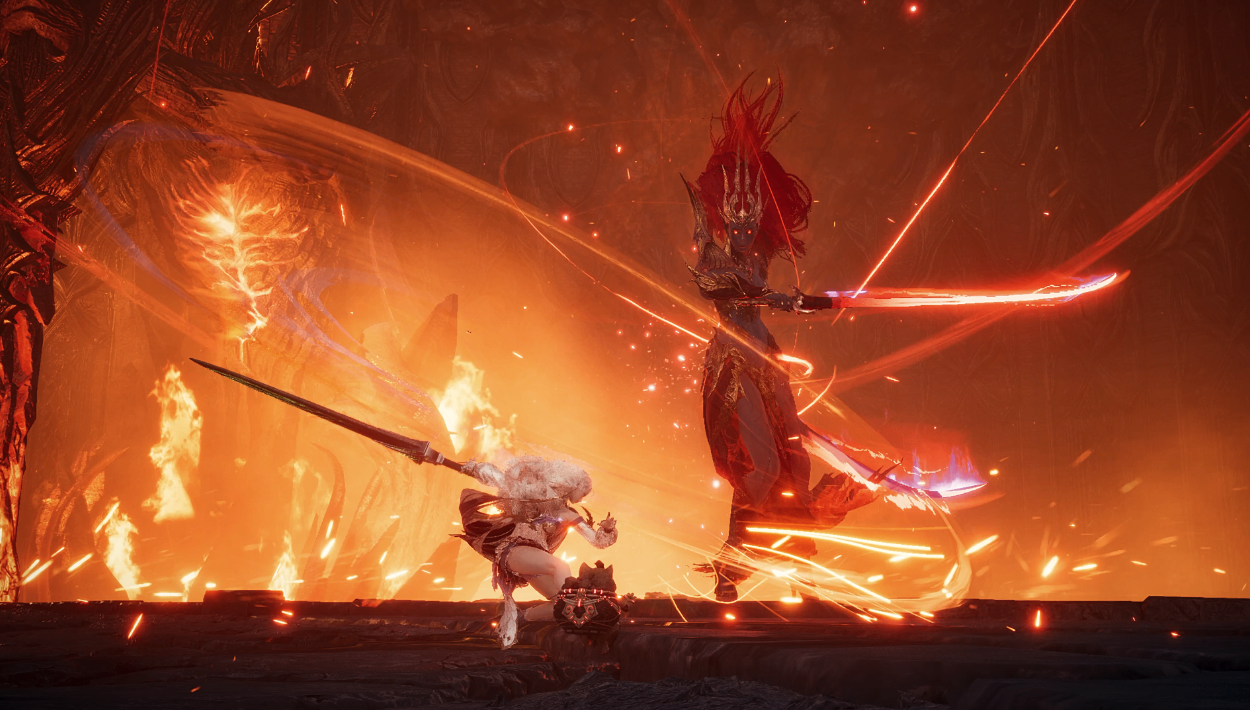
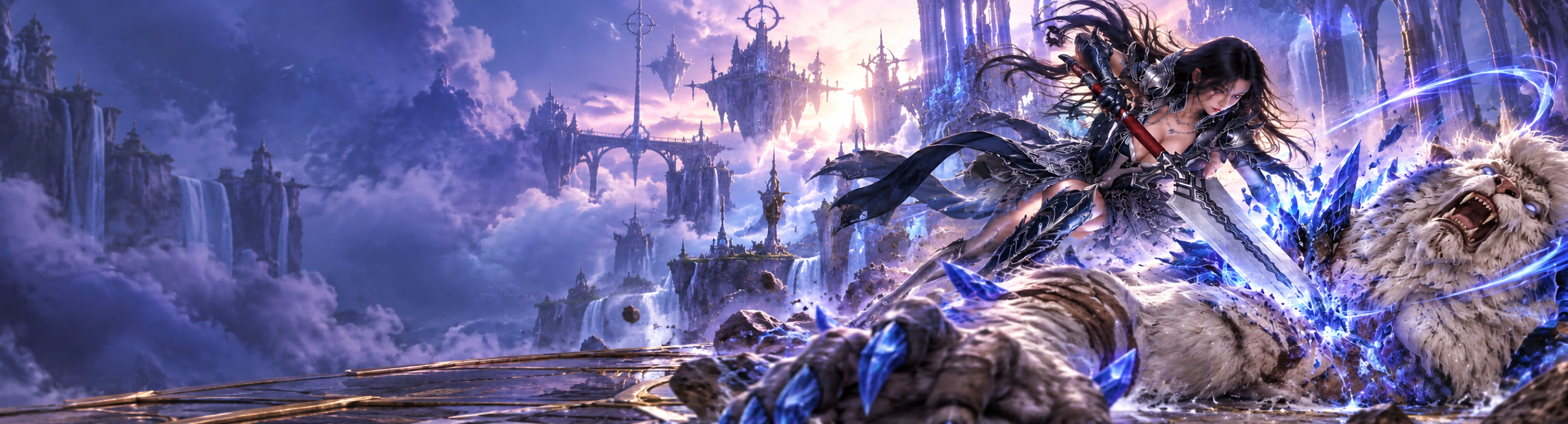
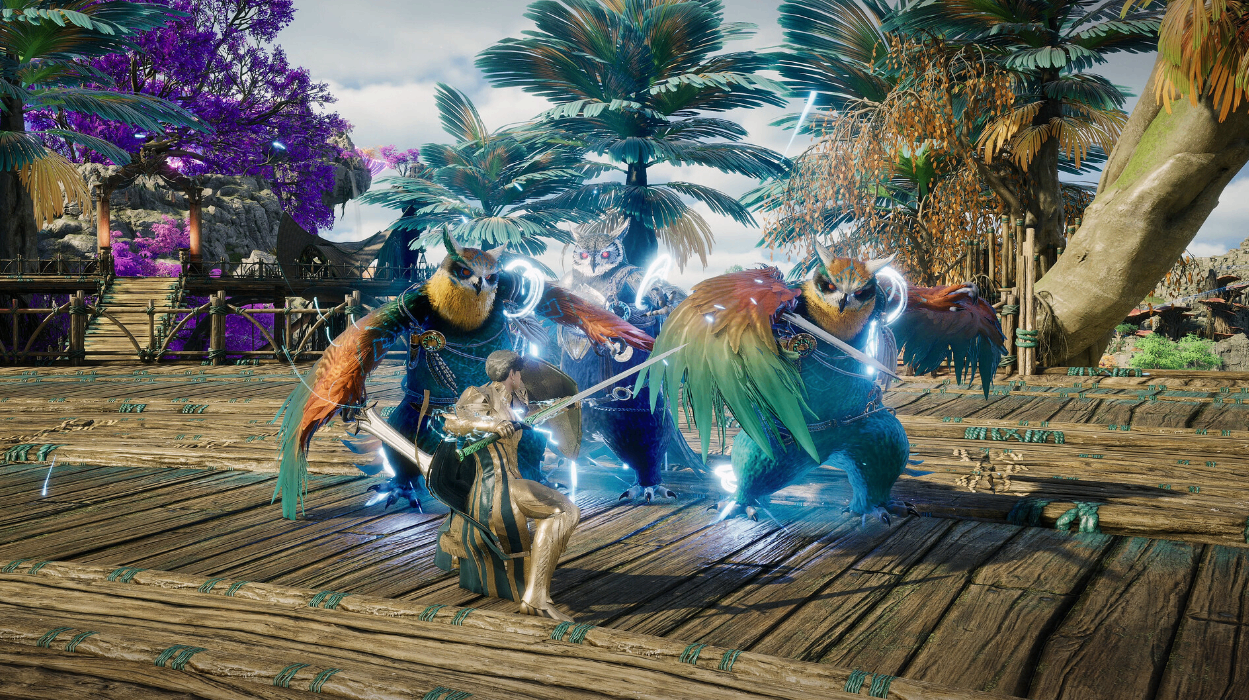
The game features eight classes built around traditional roles of tank, healer, and damage dealer. Combat is fully manual. There is no auto-play. Players aim, dodge, guard, and time counterattacks themselves. Early feedback has compared the skill combos to those in fighting games, giving the action a responsive feel.
Content That Rewards Investment
Exploration and questing form the early core of progression. Players level up, gather better equipment, and eventually tackle a wide range of dungeons. Options include solo Nightmare-mode challenges for practicing mechanics, five-player expedition dungeons, and ten-player end-game content that demands coordination.
Mounts and pets number more than 200 types. Unlike many modern titles where the best rides sit behind paywalls, Aion 2 appears structured so players can obtain a variety of them through regular play. After establishing a foothold, many players will naturally move into PvP. Faction-based Realm versus Realm battles take place in the Abyss, a large three-dimensional battlefield spanning land and sky. Players compete for artifacts, fight for rankings in one-versus-one matches, and engage in large-scale clashes.
Servers keep the two main races largely separate in everyday fields. They meet mainly in designated conflict zones. Chat between opposing factions reportedly uses different racial languages, adding an immersive barrier that encourages players to stick with friends of the same race.
Early Controversies and Meaningful Fixes
The Korean and Taiwanese launches were rocky. Players reported login problems, frequent bugs, and a monetization system that felt aggressive. Two separate monthly memberships-one for convenient use of the trading post and another for extra dungeon entries-could total around fifty dollars. Combined with other pressures, the situation led to a sharp drop in the company's stock price and widespread backlash.
NC Soft responded differently than it had in past controversies. The company held a press conference, apologized, and took concrete steps. Problematic paid packages were removed. The amount of in-game currency players could earn was increased. In early July, the multiple memberships were consolidated into a single option priced around 2,350 yen. Existing heavy spenders received extended benefits to account for prior purchases.
These changes helped recover active users by approximately 1.5 million. The recovery shows that listening to feedback and adjusting systems can restore trust. In a game where the economy revolves around resources and progression, players often look for efficient ways to obtain currency. Discussions around Aion 2 Kinah have naturally appeared among those following the title's economy updates.