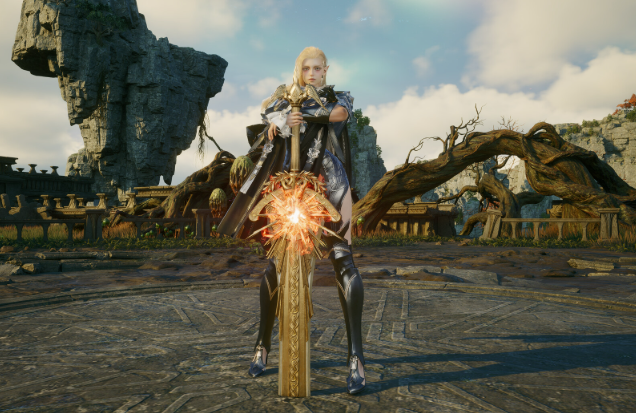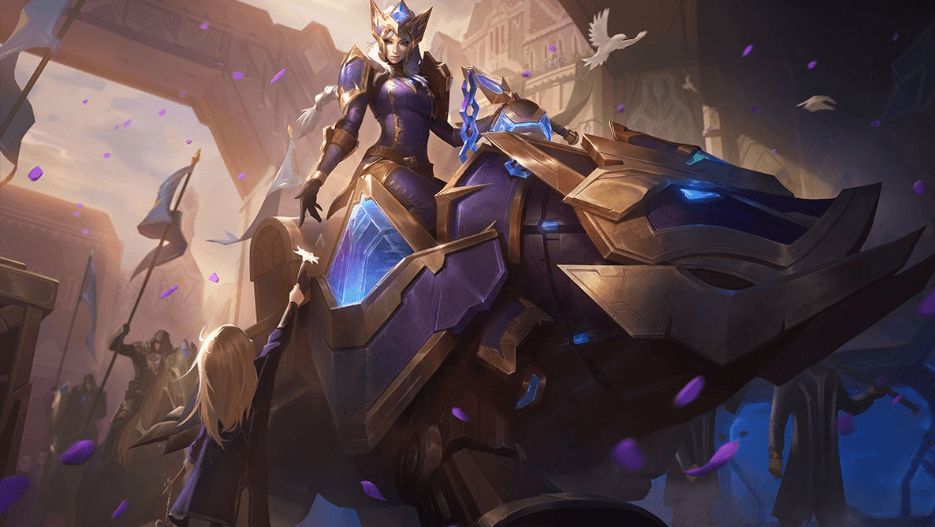


Diablo II's itemization system is still the reference point the entire genre gets measured against, and that is why its inventory grid, rune system, and stat requirements keep resurfacing in newer Diablo games. Players often ask why Diablo II's loot feels different from Diablo III or Diablo IV, and the short answer is space, restriction, and visual identity. This guide breaks down how Diablo II's core itemization systems work, how Diablo II: Resurrected preserved them, and why early concept material for Diablo 5 leans so heavily on these same ideas. It's written for returning Diablo II players, newer ARPG fans, and anyone comparing itemization across the franchise.
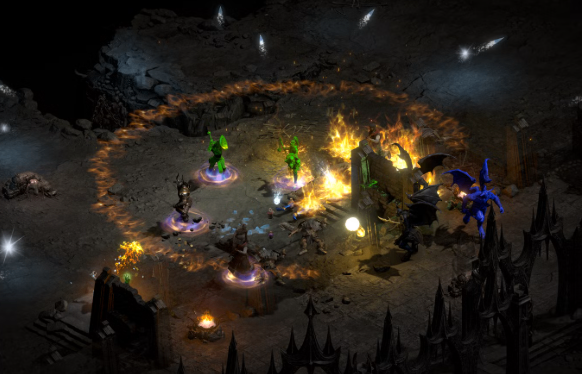
Inventory Tetris Explained
Item size, not just item power, defines your inventory space
Diablo II items take up different amounts of grid space depending on type, so a two-handed weapon or full plate armor can dominate your bag while a ring or charm barely registers. This forces real trade-offs between carrying more gear, more charms, or more potions, instead of treating every item as an equal one-slot pickup. This system is often called "inventory Tetris," and it remains one of the most requested features whenever a new Diablo entry is announced. New players will benefit from understanding this early, since inventory management directly affects how efficiently you can farm and identify gear.
Runes and Runewords
Combining specific runes in order creates powerful runeword effects
Runes are socketable items with their own hierarchy, from common low runes to rare high runes like Ist, Mal, or Zod. Placing the correct sequence of runes into a socketed item with the right number of sockets creates a runeword, unlocking effects far beyond the runes' individual stats. This system rewards long-term farming and planning, since assembling a strong runeword can take far longer than finding a single upgrade. Experienced players can use this to build toward specific end-game goals, while it also explains why runewords are frequently the first system newer Diablo games try to reference or reintroduce.
Stat Requirements Matter
Strength, dexterity, and other thresholds gate what gear you can equip
Most Diablo II gear carries strength or dexterity requirements, meaning raw item power alone doesn't guarantee you can use it. This ties itemization directly to character building, since some builds invest stat points specifically to unlock heavier armor or stronger weapons. Returning players should focus on this because it makes gearing choices deliberate rather than automatic, unlike systems where any item can be equipped regardless of build.
Legacy in Newer Diablo Games
Diablo III, Diablo IV, and early Diablo 5 material keep returning to Diablo II ideas
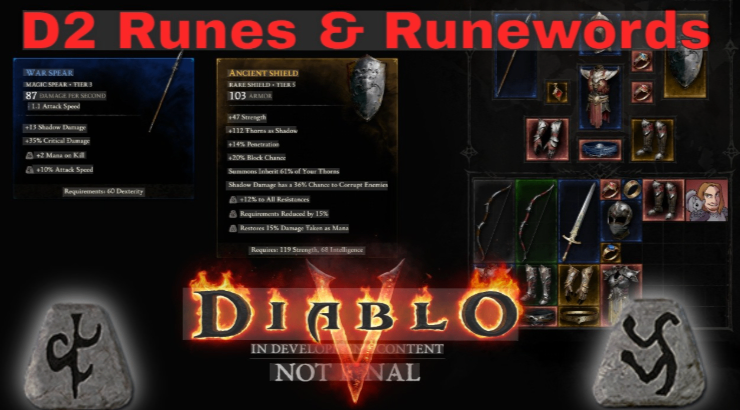
Diablo III moved toward simplified, mostly uniform inventory slots and largely dropped hard stat requirements, prioritizing faster loot decisions over Diablo II's restrictions. Diablo IV reintroduced more itemization depth but still uses a more streamlined inventory than Diablo II's grid system. Concept art shown for Diablo 5 reportedly brings back multi-slot inventory items, visible stat requirements, and rune icons that closely resemble Diablo II's originals — the same familiar look that D2R Runes players still recognize today, though Blizzard has confirmed this material is still early and not final. This matters most to long-time Diablo II fans, since it suggests the franchise keeps circling back to these mechanics as a trust signal for itemization depth.
Diablo II Itemization Across the Franchise
The table below compares how core Diablo II systems show up across later entries, including early Diablo 5 concept material.
Feature | Diablo II | Diablo III | Diablo IV | Diablo 5 (early concept) |
Inventory layout | Multi-slot grid | Mostly uniform slots | Streamlined slots | Multi-slot grid, reported |
Stat requirements | Strength/dexterity gates | Minimal or none | Limited | Reported, in testing |
Runewords | Core end-game system | Not present | Not a core system | Referenced in concept art |
Item icon clarity | Distinct per item type | Simplified icons | Improved over Diablo III | Larger icons, confirmed goal |
The clearest pattern is that Diablo II's itemization depth keeps getting referenced whenever Blizzard wants to signal a more hardcore, classic direction.
Missed D2R Point
More unique item changes | They tested 10 uniques first, and may increase that to around 25 per season.
Item updates by game stage | Future changes may cover early-, mid-, and late-game gear.
Spirit / Stealth | They clearly discussed these staple runewords, hinting they may be adjusted.
Mosaic | Not just the runeword itself — they may also touch skills tied to it.
Lobby overhaul | They are actively thinking about a major lobby redesign.
Crossplay | The answer strongly suggested it is being seriously considered.
Trading improvements | They want trading to be easier, possibly with more in-game integration.
Bug fixes | They clearly know about major issues like melee vs caster balance, poison bug, and ED/max damage bugs.
Solo Self-Found | Mentioned, but nothing was officially announced.
Diablo I remake | No announcement, but they said community interest matters.
Summary:
There was no main-stage D2R announcement, but the interview revealed a lot of plans: more item reworks, possible crossplay, better trading, and a lobby overhaul.
What Are Runewords in Diablo II?
Runewords are item effects created by placing a specific sequence of runes into a socketed item with the matching number of sockets. They unlock powerful bonuses beyond what the individual runes provide, making rune collection and socket planning a major end-game goal.
Is Diablo II Still Worth Playing Today?
Yes, especially through Diablo II: Resurrected, which preserves the original itemization systems, including inventory Tetris and runewords, while updating visuals. It remains a strong choice for players who want deliberate, restriction-based gearing rather than faster, simplified loot systems.
Why Do Newer Diablo Games Keep Referencing Diablo II?
Diablo II's itemization is widely seen as the franchise's most distinct identity, so referencing it signals depth and nostalgia at once. Early Diablo 5 concept art reportedly borrowing inventory Tetris and rune-style items reflects this same pattern of returning to Diablo II as a design anchor.
Does Diablo II Resurrected Change the Original Itemization?
No, Diablo II: Resurrected keeps the original inventory grid, stat requirements, and runeword systems intact. The update focuses on visuals and quality-of-life features rather than altering how items and runes function.
Quick Tips
· Prioritize sockets and rune farming early if you're building toward a specific runeword.
· Check strength and dexterity requirements before committing points, since they gate your gear options.
· Use Diablo II: Resurrected if you want the original itemization with modern visuals.
· Treat any Diablo 5 itemization comparisons as early concept material, not confirmed final design.
Who Benefits Most?
Returning Diablo II players get a refresher on how inventory Tetris, runewords, and stat requirements interact, which is useful whether jumping back into the original or Resurrected. New ARPG players benefit from understanding why Diablo II's restrictions feel different from more modern, streamlined loot systems. Fans following Diablo 5 gain context for why the game's early concept art leans so heavily on Diablo II's itemization identity rather than Diablo III or Diablo IV's approach.
Diablo II's itemization system remains the franchise's clearest identity, built around inventory space, rune-based crafting, and stat-gated gearing. Whether you're playing the original, Diablo II: Resurrected, or tracking how these ideas resurface in Diablo 5's early reveals, understanding these core systems is the foundation for everything itemization-related in the series — and for many players, that journey starts with hunting down cheap D2R Runes to bring those classic crafting recipes to life.