Bonus Items OFF All WoW Gold


















GTA 6 launches on November 19, 2026 for PS5 and Xbox Series X|S. The setting expands from a single Vice City to the entire fictional state of Florida—Leonida. Based on confirmed information, the map is divided into six core regions, each corresponding to a different real-world Florida landscape and culture, and each offering distinct ways to earn GTA 6 Money. This guide breaks down each region's characteristics, gameplay opportunities, and practical strategies.
1. Map Scale: Establish a Spatial Concept First
Before diving into regions, it's worth understanding Leonida's size. Based on community measurements of leaked data, GTA 6's explorable land area is approximately 83.2 square kilometers—1.69 times the size of GTA 5 and 19 times GTA 3's Liberty City. This scale means you need to change your exploration habits: rely on fast travel, plan routes, and accept that you can't see everything in one run.
Practical advice: Prioritize unlocking major road nodes and fast-travel points in each region. The game introduces a fast-travel mechanic tied to a ride-hailing system—use it to reduce the tedium of cross-region travel.
2. Six Regions at a Glance
Region | Real-World Inspiration | Core Identity | Best For |
Vice City | Miami | Urban core, main story stage | City activities, nightlife, heist missions |
Leonida Keys | Florida Keys | Tropical islands, water activities | Diving, fishing, boat exploration |
Grassrivers | Everglades | Wetland swamp, high-risk wilderness | Hunting, airboats, hidden content |
Port Gellhorn | Panama City Beach | Decaying resort town, low-end crime | Street racing, dirt bikes, cheap entertainment |
Ambrosia | Clewiston/Lake Okeechobee | Sugar town, industry and bikers | Off-roading, factory exploration, gang interaction |
Mount Kalaga | North Florida/Georgia | National park, wild frontier | Hunting, fishing, off-roading, eccentric NPCs |
3. Vice City: Your Base of Operations
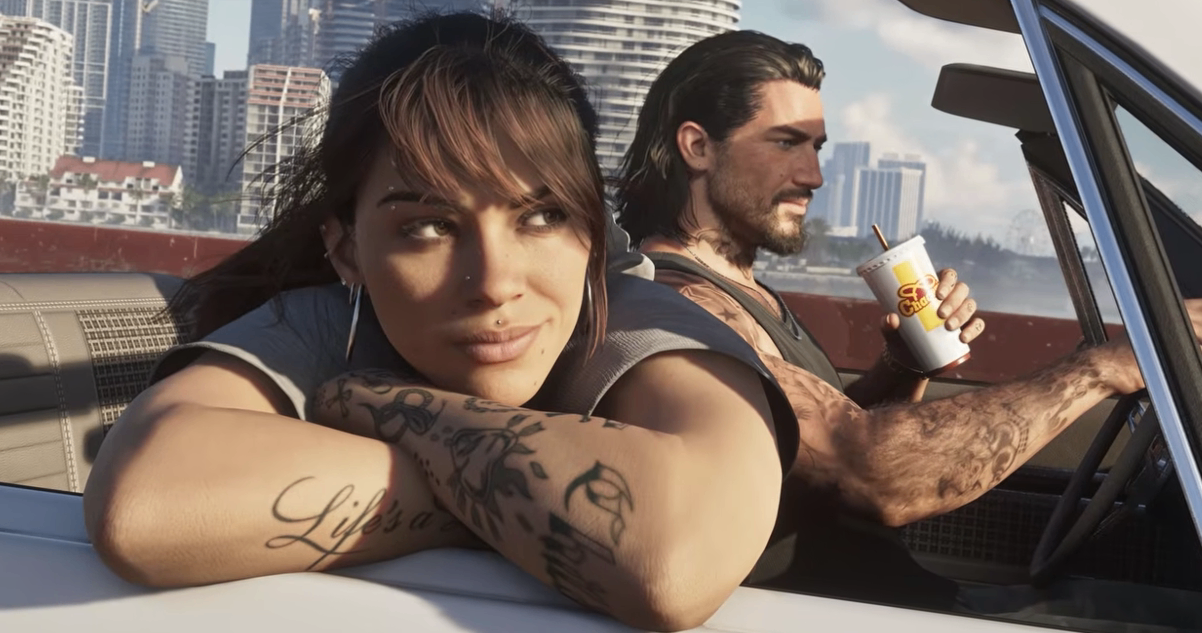
Vice City is Leonida's urban heart and the primary setting for Jason and Lucia's story. Confirmed neighborhoods include Ocean Beach (pastel hotels and white sand), Little Cuba (Cuban bakeries and Latin shops), Stockyard (street art and car meets), La Pearl (corresponding to Little Haiti, with an elevated train running through), and Downtown (glass towers, Sahara Arena, nightclub 919).
Gameplay focus:
Nightclubs and social venues are key nodes for triggering side content. Club 919 was shown in the trailer and likely offers interactive options.
The port area is tied to cargo smuggling and serves as a logistics hub for criminal activity.
If you pre-ordered a specific edition, the Shore Court garage near Ocean Beach can serve as an early supply storage point.
Strategy: Treat Vice City as your "default location." Before venturing outward, familiarize yourself with the city's road network and police response patterns. In this game, police no longer appear as dots on the minimap—you'll need to watch screen-edge warnings or use focus mode to locate threats.
4. Leonida Keys: The Water Is Your Main Battlefield
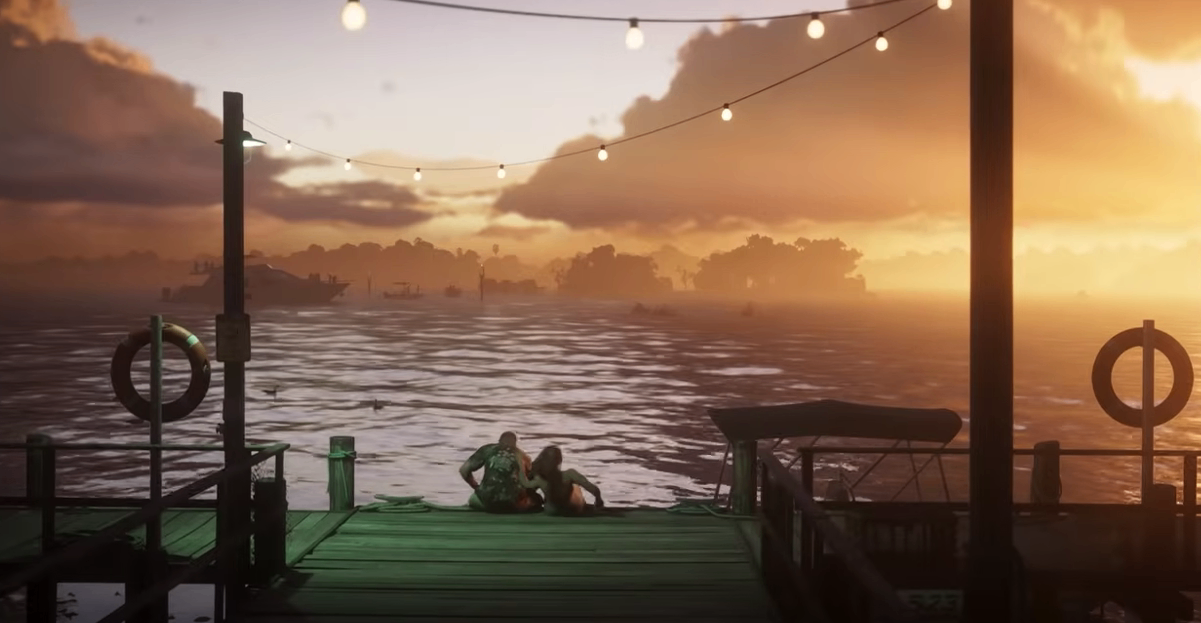
The island chain at the southern tip of the map, corresponding to the Florida Keys. Jason's story begins here—he does dirty work for smuggler Brian Heder in exchange for free lodging. Confirmed locations include Key Lento (Brian's boat works and smuggling base), the Rusty Anchor bar (pool available), and the stilt house over the water where Jason and Lucia initially live.
Core mechanic: The waters have two personalities. The Atlantic side is deep and rough—good for deep-sea fishing and shipwreck exploration. The Gulf side is shallow with dense mangroves—a natural cover for losing the cops.
What you can do:
Scuba diving: Explore underwater caves and shipwreck remains.
Boat tours: Take sightseeing cruises.
Fishing: Spots along the coast and offshore.
Warning: Developers explicitly describe these waters as "beautiful but dangerous." There may be threats underwater you need to handle—don't go deep into unknown waters unprepared.
5. Grassrivers: High Risk, High Reward Wilderness
Corresponding to the Everglades—a wilderness of shallow water, mangroves, and canals. The primary mode of transport here is the airboat. Buildings are mostly on stilts, matching real Everglades construction.
Why it's worth visiting:
Hunting is a money-making path. Alligators are present, but developers hint that "there are worse things than gators" hidden deep in the mangroves. These unspecified "weird discoveries" likely tie into game secrets or easter eggs.
Poach patrols operate here—the game's version of wildlife officers who hunt down poachers. You may interact with them, cooperatively or adversarially.
Main settlement: Watson Bay, a rough waterfront town. Players with the Ultimate Edition get the Paradise Garage here, functioning similarly to Shore Court in Vice City.
Advice: Before heading deep into Grassrivers, make sure you have reliable transport and weapons. This is one of Leonida's most "lawless" regions.
6. Port Gellhorn: Speed and Decay
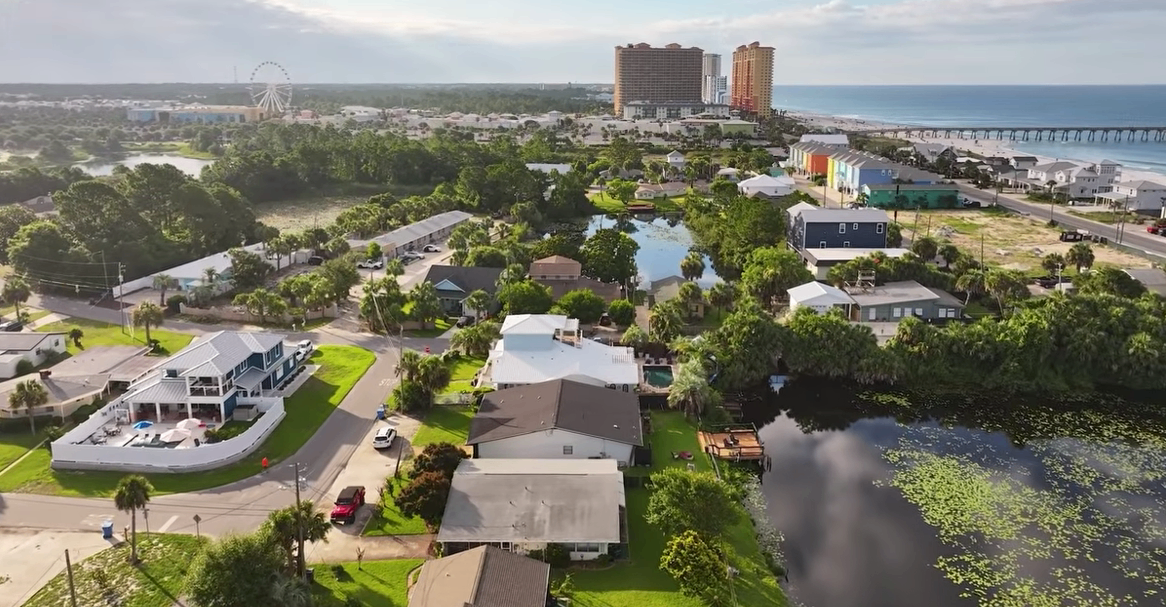
A decaying resort town on the far west coast, corresponding to Panama City Beach. Developers call this part of the state "Leonida's forgotten coast"—full of cheap motels, closed attractions, and people running on cheap booze and energy drinks.
Core appeal: racing.
Gellhorn International Raceway is the GTA series' first full-size circuit. The trailer showed complete lap timing and position display, operating like a real circuit race.
There's also a drag strip ( reportedly based on Gainesville Raceway) and a motocross track.
Dirt bike scenes appear frequently in trailers around this town, deeply tied to street racing culture.
Other activities: Pool and darts in dive bars. Uncle Jack's Liquor, which Jason and Lucia rob at the end of the first trailer, is also here.
Strategy: If you enjoy driving challenges, Port Gellhorn should be an early exploration priority. The circuit and off-road routes offer legitimate income and skill-building opportunities distinct from the main story.