Weekend Drop -












Summary
Murder Mystery 2 introduces a spine-chilling new Dark Locust game mode that redefines the classic casual murder mystery gameplay with horror-themed mechanics and unpredictable enemy behavior. Departing from standard MM2 matches, this limited-time mode features dim, dark map environments, a dominant Locust monster NPC, expanded 16-player lobbies, and a new key collection system. The Locust boasts erratic movement, jump-scare encounters, and dynamic AI shifts, alternating between passive friendly behavior and aggressive hunting. This article breaks down core gameplay changes, unique mechanics, hidden map exploits, practical survival tactics, and key system flaws every player needs to master the new mode, while also explaining how Murder Mystery 2 Items can support collection goals and overall progression.
Dark Locust Mode Core Gameplay Overhaul
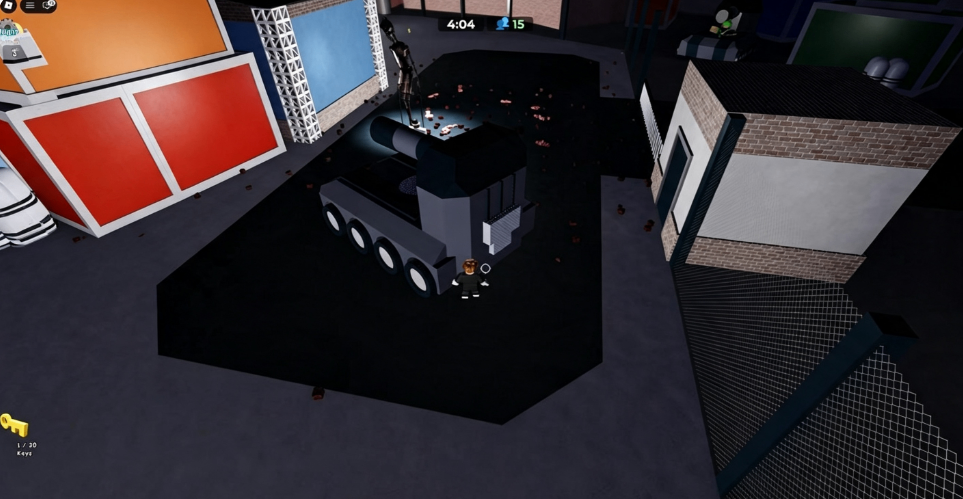
The Dark Locust mode completely transforms traditional Murder Mystery 2’s relaxed loop into an intense horror survival experience. The most noticeable change is the darkened map atmosphere, which reduces visibility and amplifies tense, immersive gameplay for every match.
Lobby size has expanded to 16 players, creating larger-scale chaos compared to standard MM2 rounds. The central highlight is the new Locust monster entity, a persistent AI threat that roams every map. Unlike the fixed murderer role in regular matches, the Locust operates independently with unpredictable behavior patterns that keep players on edge.
A defining feature of the Locust is its inconsistent AI. The monster often acts passive and non-aggressive early in rounds, even appearing friendly and refusing to attack nearby players. This false sense of security quickly fades, as the Locust suddenly shifts into an aggressive hunting state, chasing, trapping, and eliminating isolated players across all maps.
New Key Collection Mechanic Explained
Dark Locust Mode adds an exclusive 30-key collection objective, a brand-new system absent from vanilla MM2 gameplay. Players can gather scattered keys throughout dark-themed maps, with a progress tracker displaying collected keys in real time.
Despite the clear progression objective, the key system features a notable design quirk. Collecting all 30 keys offers no tangible in-game rewards, items, or round advantages. The mechanic serves purely as a secondary exploration task for players during matches.
Many players mistakenly hope for a weapon spawn or Locust counter after full key completion, but no bonus content unlocks. Even so, key collection remains a useful distraction and exploration tool while evading the roaming Locust monster.

Unique Map Exploits & Hidden Hiding Spots
The Dark Locust update includes reworked maps with exclusive hiding zones and functional glitches players can utilize for survival. Standout spots include roller coaster rooftops, elevated ledges, box clusters, and out-of-bounds under-map areas that block Locust access.
Certain environmental spots act as “golden safe zones” where the Locust AI cannot reach or detect players. Bathroom areas and tight wall gaps also frequently trap the Locust monster, creating temporary safe windows for players to regroup.
The mode also features interactive map elements like mysterious TV entities that trigger jump scares and hidden enemy spawns. These dynamic environmental threats add extra layers of danger beyond the primary Locust monster hunt.
Critical Locust AI Behavior Patterns
Mastery of Dark Locust mode relies entirely on understanding the monster’s unique AI rules. The Locust displays social tendencies, occasionally pairing up with secondary NPC entities like Scary Fton to patrol maps together.
It prioritizes isolated players and targets small groups while ignoring large clustered player groups for extended periods. The monster also exhibits taunting behavior, slowly pursuing survivors and delaying eliminations to heighten match tension.
Late-match AI ramps up significantly. When only a few players remain alive, the Locust gains improved detection range, faster movement speed, and near-perfect tracking abilities, making final survival extremely challenging.

Pro Player Survival Recommendations
Always stick in player groups early in rounds. The Locust rarely engages crowded teams, drastically reducing early elimination risk. Avoid wandering alone in dark hallways or isolated map corners.
Prioritize learning golden safe zones and under-map glitches. These spots are the most reliable way to survive late-game Locust rampages when AI difficulty spikes.
Treat the key collection system as a exploration activity, not a reward grind. Avoid wasting critical survival time farming full 30-key sets, as no gameplay bonuses unlock upon completion.
Stay alert for AI behavior shifts. If the Locust stops moving or begins passive roaming, prepare for an immediate aggressive state transition and reposition to a safe zone quickly.
Final Verdict
Murder Mystery 2’s Dark Locust mode delivers a refreshing, thrilling horror twist on the classic multiplayer social deduction formula. Its unpredictable monster AI, dark atmospheric visuals, expanded lobbies, and unique key mechanics create a tense, replayable experience distinct from standard MM2 gameplay. While the unrewarding key system and inconsistent AI have minor flaws, the mode’s dynamic scares, hidden map mechanics, and chaotic player interactions make it one of the most entertaining limited-time updates in recent MM2 history. Casual and competitive players alike will enjoy its fresh, suspenseful survival gameplay loop. For players who want to enhance their collection and make the most of the mode’s limited-time experience, securing useful resources can also be helpful, making it worthwhile to buy Murder Mystery 2 Items when needed.