

Summary
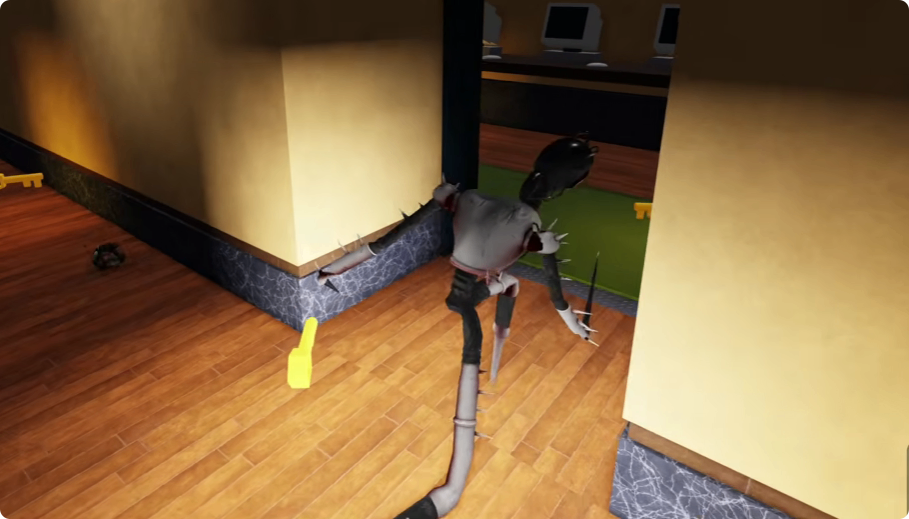
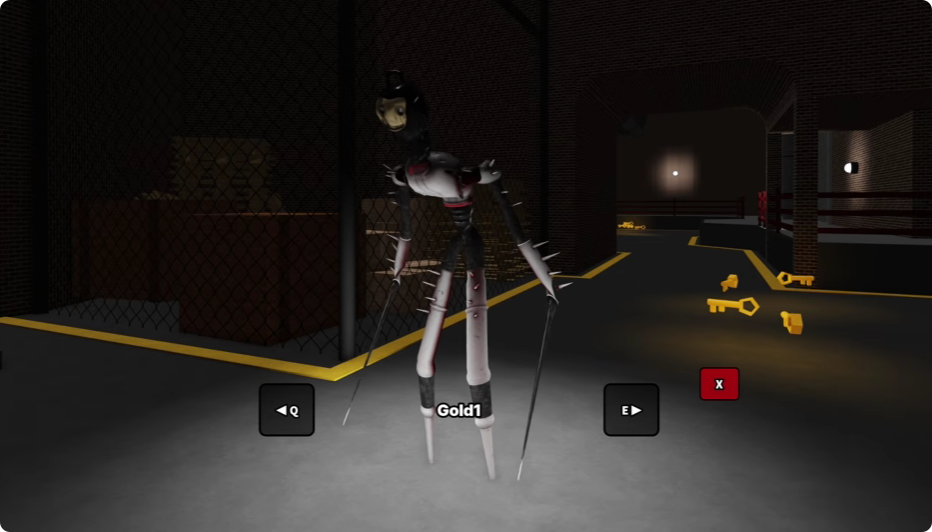
Murder Mystery 2's Locust mode changes the usual survival formula by putting players against a fast and aggressive enemy. Instead of simply avoiding a murderer with a knife, survivors have to deal with a Locust that can search through rooms, spot hiding players, and chase them across the map.
Winning consistently requires more than finding the first hiding spot you see. You need to understand how the Locust searches, use the environment intelligently, keep moving when necessary, and take advantage of your character's size. To ensure you're always prepared for the hunt, buy Murder Mystery 2 Items and secure the weapons.
How the Locust Mode Works
The basic objective is simple: survive until the timer expires without being caught by the Locust. The Locust hunts players around the map while survivors try to stay hidden or escape.
Find Your Hiding Spot Quickly
At the beginning of a round, you usually have only a short amount of time to move away from the starting area. Don't waste those seconds looking for the perfect location.
Instead, immediately identify:
Rooms with multiple exits
Areas containing boxes or furniture
Lower floors and basements
Corners and narrow spaces
Objects that can break the Locust's line of sight
A good hiding location should give you an escape route. A dead-end hiding spot can become a trap if the Locust discovers you.
Learn the Map Before You Hide
Map knowledge becomes extremely valuable in Locust mode. Players in the transcript repeatedly survived by moving through offices, basements, storage areas, boxes, ladders, and other parts of the environment.
Don't rely on one favorite hiding location every round. If the Locust remembers common hiding places, repeatedly using the same spot makes you predictable.
Use Movement Instead of Hiding Forever
Hiding is useful, but staying completely stationary isn't always the best strategy.
The Locust can search areas and use its perspective to discover players. If your hiding spot becomes compromised, run immediately instead of waiting to be caught.
Break the Locust's Line of Sight
When the Locust sees you, your priority should be creating distance and disappearing from its view.
Run around corners, through doors, between rooms, or down different levels. Once you break line of sight, change direction instead of continuing in a predictable straight line.
For example, if the Locust follows you upstairs, don't simply keep running around the same floor. Drop to another level or move through a different room and force it to search again.
Don't Hide in Obvious Locations
Several players in the transcript repeatedly hid behind the same boxes, inside familiar cracks, or in locations they had already used.
That can work once, but it becomes much less effective when the Locust knows where to look.
After escaping, choose a new location rather than immediately returning to your previous hiding spot.
Take Advantage of Spot Reveal
One of the biggest threats to survivors is the ability that temporarily reveals their locations.
This means hiding perfectly isn't always enough. You should expect your position to become exposed at some point during the round.
Move After Your Position Is Revealed
If your location is revealed, don't stay where you are hoping the Locust won't reach you.
Use the reveal as a warning that your current hiding spot is no longer safe. Move to another room, change floors, or create enough distance to make the Locust lose track of you.
Because the reveal is temporary, surviving its duration can be enough to escape.
Don't Panic When You're Spotted
Being revealed doesn't automatically mean you're dead.
The transcript shows several situations where players were discovered but escaped by running, changing direction, or using the map's layout. The important thing is to react immediately.
A short burst of movement can be enough to turn a guaranteed elimination into another successful escape.
Use Small Character Rigs to Hide Better
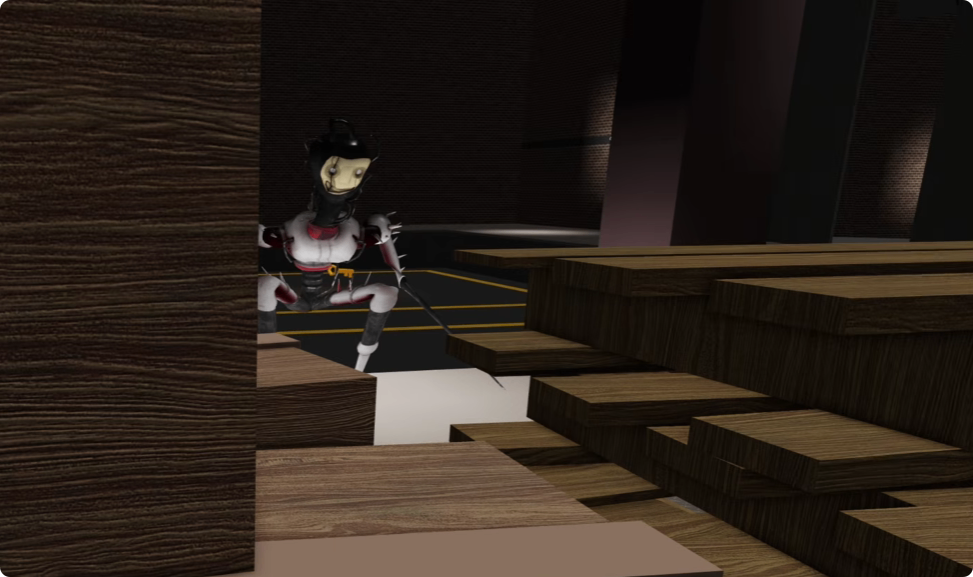
One of the most useful discoveries from the gameplay is that smaller character rigs can make hiding easier.
A smaller avatar can fit into tighter spaces and may be harder for the Locust to notice when you're positioned behind environmental objects.
Look for Tight Spaces
When choosing a hiding location, don't only look for large rooms. Check for:
Gaps between objects
Small spaces behind boxes
Corners near furniture
Areas beneath or beside structures
Narrow sections of the map
A smaller rig can make these locations considerably more useful.
However, don't assume that a small character makes you invisible. If the Locust checks the area or uses a reveal mechanic, you still need an escape plan.
Use the Environment to Your Advantage
The best survivors treat the map as more than scenery.
Boxes, doors, ladders, pipes, offices, basements, and multiple floors can all help you break pursuit.
Change Elevation
If the map has multiple floors, use them.
Moving from an upper floor to a basement—or climbing a ladder after the Locust passes—can force it to change direction and search another area.
The key is unpredictability. Don't repeatedly use the same ladder or staircase because the Locust may learn your route.
Hide in Plain Sight Carefully
Sometimes the safest place isn't a complicated hiding spot.
If the Locust expects players to hide behind boxes or inside corners, standing somewhere unexpected can work. However, this is a high-risk strategy and depends heavily on the Locust's awareness.
Use it when you have a clear escape route rather than standing in an open area with nowhere to go.
If You're the Locust, Search Smarter
Playing as the Locust requires a different strategy. Don't simply run around randomly hoping to find survivors.
Start by checking common hiding locations, then expand your search.
Check Nooks and Crannies
Look behind boxes, inside offices, around corners, near ladders, and on different floors. Players frequently return to familiar hiding areas because they feel safe.
Once you discover a player's preferred hiding spot, remember it for future rounds.
Force Survivors to Move
Spot Reveal is especially valuable because it prevents survivors from remaining hidden indefinitely.
When you reveal a player's position, don't assume they will stay there. Predict where they are likely to run and cut off their escape route instead of simply following behind them.
The Best Survival Strategy
The strongest approach combines hiding, movement, map knowledge, and unpredictability.
At the start of the round, quickly find a location with an escape route. If the Locust passes nearby, remain quiet and avoid unnecessary movement. Once you're spotted or revealed, immediately relocate.
Don't repeatedly use the same hiding spot, and consider smaller character rigs if you want to exploit tight spaces.
Most importantly, remember that survival is about making the Locust waste time. Every second spent searching the wrong room, checking the wrong floor, or chasing you through multiple corridors increases your chance of reaching the end of the timer.
Final Tips for Winning Locust Rounds
Keep these rules in mind:
1. Find a hiding spot quickly.
2. Choose locations with multiple escape routes.
3. Avoid using the same hiding spot repeatedly.
4. Run immediately when the Locust discovers you.
5. Use doors, corners, ladders, and different floors to break line of sight.
6. Move when Spot Reveal exposes your position.
7. Try smaller character rigs for tighter hiding spaces.
8. If you're the Locust, search common hiding spots and predict escape routes.
The Locust may seem almost impossible to escape at first, but the mode becomes much more manageable once you stop relying on a single hiding place. Keep moving intelligently, learn the map, and make the Locust waste as much time as possible. To support your survival strategy, Murder Mystery 2 Items can help you build a loadout.