Weekend Drop -










Summary
Path of Exile 2 delivered one of its most ambitious leagues yet, offering incredible build diversity, rewarding endgame farming, and challenging content that pushed players to optimize their characters. However, economy inflation, performance issues, crafting limitations, POE2 Currency, and frustrating systems still need improvement before the game reaches its full potential.
Step 1: Path of Exile 2 Finally Achieves Real Build Diversity
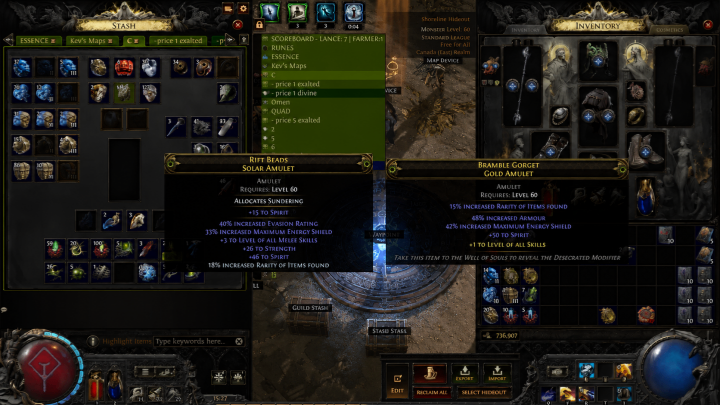
One of the biggest successes of the latest Path of Exile 2 league was the incredible improvement in build diversity. Instead of forcing players into only a few dominant meta choices, Grinding Gear Games focused on balancing the overall endgame through buffs rather than constantly destroying powerful builds with heavy nerfs.
In previous leagues, players often felt punished for choosing anything outside the strongest meta builds. If someone played a weaker skill, they could watch other players clear maps faster, spend less currency on upgrades, and reach endgame power much earlier.
However, this league created a completely different experience. Almost every ascendancy and class had multiple playable options, allowing players to experiment without feeling like they made the wrong decision. While popular builds still existed, such as Twister and other top-performing setups, they no longer completely dominated the game.
This approach helped Path of Exile 2 feel more like a true action RPG where creativity and personal playstyle mattered.
Step 2: Endgame Farming Became More Diverse and Rewarding
Another major improvement was the variety of profitable endgame farming strategies. Unlike previous leagues where one mechanic completely overshadowed everything else, Path of Exile 2 created an environment where almost every activity had value.
Players could choose different farming methods depending on their preferred gameplay style.
Delirium offered straightforward splinter farming opportunities. Abyss provided both budget strategies for newer players and high-end farming options involving valuable rewards such as Omen of Light. Breach became a flexible mechanic with options ranging from affordable farming to expensive Hive Blood-focused strategies.
Expedition became one of the strongest money-making systems in the league. Whether players invested heavily into high-end Expedition setups or simply ran regular Grand Expeditions, the mechanic consistently provided valuable rewards.
Ritual also became one of the most exciting gambling-style mechanics in Path of Exile 2. Players could chase massive rewards such as Headhunter and Mageblood-style items while still earning consistent profits through Omens.
Even Temple farming remained competitive, proving that the developers successfully created multiple paths toward endgame progression.
Step 3: Frequent Updates Kept the League Fresh
A major reason the league remained enjoyable for such a long period was the continuous balance updates from GGG.
Instead of allowing one strategy to become overwhelmingly dominant, developers introduced multiple patches that improved weaker mechanics and encouraged players to explore new options.
This created a constantly changing endgame environment where players always had something new to try.
Although maintaining this level of developer attention may not be easy forever, the results were impressive. Even after hundreds of hours of gameplay, the league still felt fresh instead of becoming repetitive.
Step 4: Chase Uniques Finally Felt Valuable Again
One controversial but important improvement was the return of meaningful chase items.
In many ARPGs, extremely powerful items become too common too quickly. When that happens, players lose excitement because they know they can obtain their dream equipment after only a short amount of farming.
Path of Exile 2 avoided this problem by keeping powerful uniques genuinely rare.
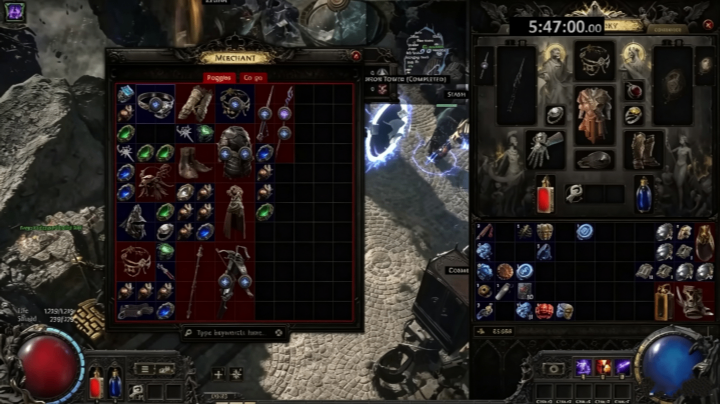
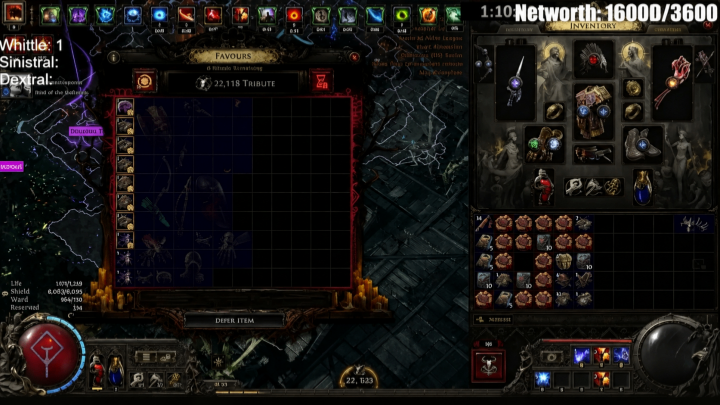
For example, Headhunter maintained a very high value throughout the league, reaching hundreds of Divine Orbs instead of becoming an inexpensive item that everyone could afford.
This created a stronger sense of progression. Finding a powerful unique felt like a major achievement instead of another routine upgrade.
The philosophy behind this design is simple: the strongest items should require dedication.
When players finally obtain these items, the power increase feels meaningful because they worked hard for it.
Step 5: Difficult Endgame Content Created Real Challenges
Path of Exile 2 also succeeded by introducing content that could truly challenge highly optimized builds.
Many modern ARPGs allow players to become so powerful that endgame content becomes meaningless. However, this league included encounters where even expensive characters had to carefully consider defenses and mechanics.
High Delirium difficulty, heavily juiced Expedition content, and extreme map modifiers created situations where players could not simply rely on massive damage.
Some maps contained dozens of monster modifiers, creating fights that challenged even mirror-tier characters.
This type of content is important because players spend hundreds of hours improving their builds. Eventually, they need meaningful challenges that test whether their investment was worthwhile.
Future updates could benefit from adding dedicated boss challenges or optional ultra-hard encounters similar to difficult raid content in other games.