






Summary
This Aion 2 global launch review breaks down the Unreal Engine 5 MMO's core features, including eight playable classes and a smooth hybrid action-tab combat system with quality-of-life macros. It focuses heavily on accessible PvE dungeon and raid content, while PvP takes a secondary role via the Abyss system. The game offers generous gear progression and multi-path RNG systems, alongside mild pay-to-win monetization with a subscription. Players can farm Aion 2 Kinah for upgrades or buy Aion 2 Kinah to accelerate steady, character-focused progression in this polished casual Korean MMO.
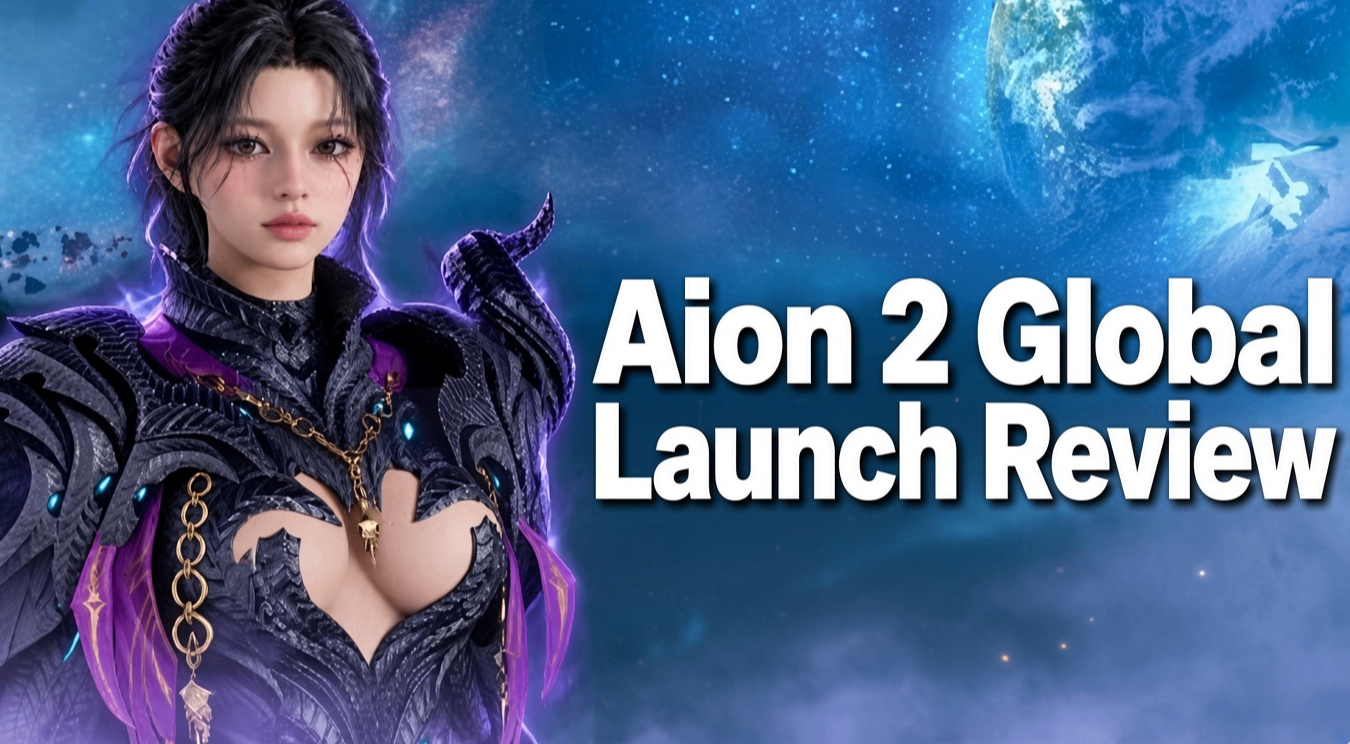
Aion 2, the highly anticipated MMORPG from NCSOFT, is finally heading to Western servers with Global Early Access beginning in late September. After extensive playtime on the Taiwan servers, one detailed review breaks down nearly every aspect of the game. It positions Aion 2 as a more casual, main-character-focused alternative to Lost Ark, with strong visuals, solid progression, and familiar Korean MMO systems.
What Exactly Is Aion 2?
Aion 2 delivers a primarily PvE experience with some PvP elements. Content feels more approachable than many action MMOs, and the design encourages investment in a single character rather than constant alt-switching. Dungeon and raid encounters draw inspiration from traditional titles like World of Warcraft or Final Fantasy XIV, though the mechanical complexity stays lower. Players who enjoyed Lost Ark but preferred less demanding mechanics and more time on their main may find a good fit here, provided they accept typical Korean monetization practices.
Stunning Visuals and Solid Performance
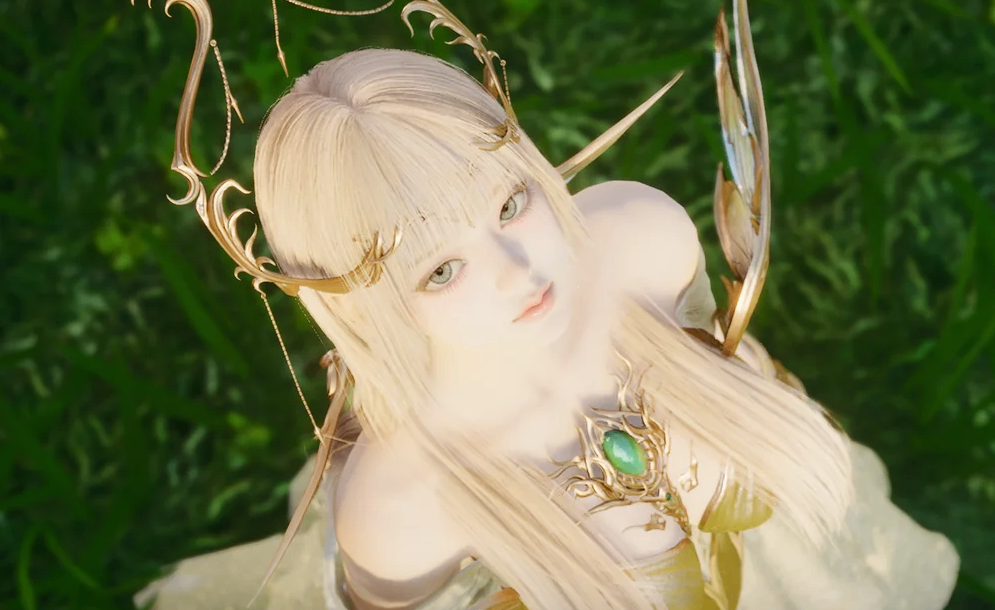
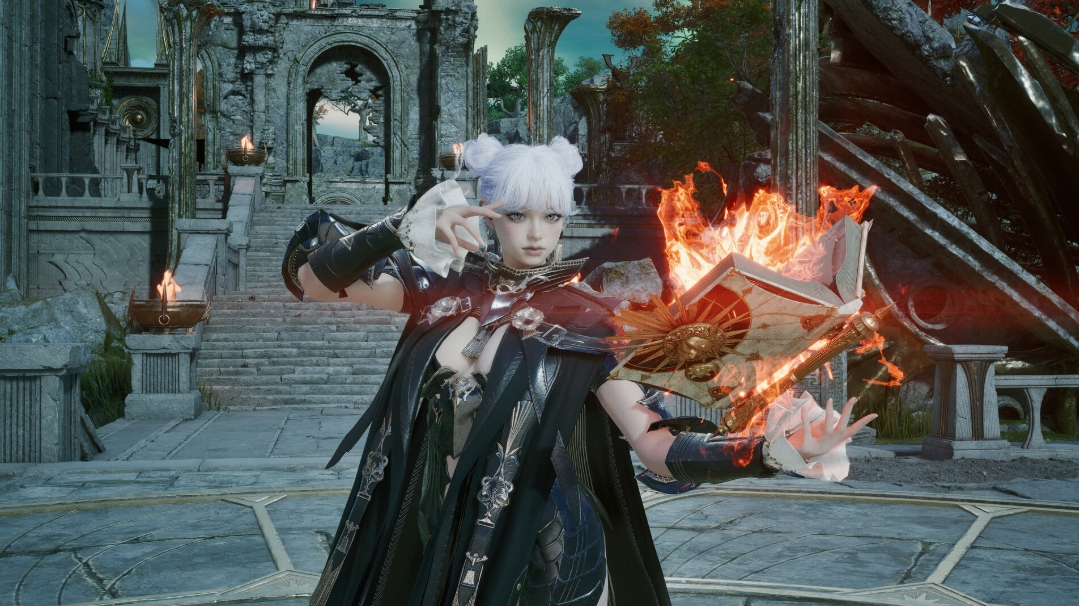
Visually, Aion 2 stands out as one of the best-looking MMORPGs available. Built on Unreal Engine 5, it offers extensive performance options, including advanced DLSS features and high frame generation. Even on lower settings, the game remains impressive compared to many competitors. Larger group content can strain performance, and player pop-in remains noticeable, yet the overall presentation and modern optimization tools create a strong first impression.
Classes and the Combat System
Eight classes launch with the game: Templar, Gladiator, Ranger, Sorceress, Spiritmaster, Assassin, Cleric, and Enchanter. The standard tank-healer-DPS trinity applies to most five-player content, though some classes offer hybrid flexibility. Balance patches arrive frequently, so meta shifts regularly. Every class remains viable for progression and can deal meaningful damage.
Combat uses a hybrid action and tab-target system with snappy responses and solid animations. The absence of a global cooldown means skill speed ramps up dramatically with better gear. To address hand fatigue from constant skill spam, the developers added an in-game macro system. Players can stack skills on hotkeys and cycle them by holding a single key. This is not full autoplay-boss mechanics still demand focus on dodging, blocking, and survival-but it does make manual play less optimal. Class differences become less pronounced in basic rotations, which some players may dislike.
World Exploration and Early Progression
The open world looks spectacular, with sweeping landscapes and detailed environments. Early power gains come heavily from quests, collections, feathers, mounts, and exploration. Nearly every world mob can become a mount, and cosmetic skins earned through play also grant power boosts. These horizontal systems provide skill points, stats, and multipliers that feel rewarding for solo players. Gathering supports crafting with no hard limits, creating competition for nodes. Once endgame arrives, however, the world loses some importance as most activities become accessible from town or instances.
PvE Content: The Core Loop
Dungeons form the heart of Aion 2. They look cinematic and feel like full environments rather than generic corridors. Scaling difficulty adds mechanics gradually. Encounters emphasize fast attack pacing and high damage intake with relatively straightforward, reaction-based mechanics. Runs often last around ten minutes once learned, and groups can skip many trash packs. Ten-player raids offer bigger upgrades and chase items with generous pity systems. Weekly solo content and other activities round out the options. The loop suits players who enjoy farming dungeons and raids without extreme mechanical pressure.
PvP and the Abyss
PvP remains secondary. It offers fun group moments but suffers from power imbalances, stat bloat, and pay-to-win elements. The Abyss system stands out: players spend limited weekly time there for quests, resources, and faction conflict. Rewards include currency for PvP gear and stigma shards that meaningfully boost combat power. Equalized battlegrounds and other modes exist, yet competitive depth stays limited.
Progression, Gearing, and the Role of Currency
Progression follows an evergreen model common in Eastern MMOs. Enhancement rates feel more generous than in titles like Lost Ark or Black Desert Online. Multiple systems-stat rolls, skill levels, crafting, and pity-give players alternatives when RNG disappoints. Crafting allows guaranteed tier upgrades through gathering and materials. Alts help generate extra resources via energy systems but are not required for core progression.
In-game currency plays a central role in this economy. Players farm materials, run dungeons, and trade to accumulate Aion 2 Kinah, which fuels crafting, market purchases, and further upgrades. Managing this currency efficiently becomes part of the long-term gameplay loop.
Monetization Realities
Aion 2 is pay-to-win by the standard definition: real money accelerates progress through a currency exchange system. A monthly subscription of around $15 unlocks important quality-of-life features, including market access and energy multipliers. Free-to-play players can reach max level and enjoy content, yet the sub greatly improves the experience. Season 1 on Western servers will feature a lower gear ceiling, which may temper early whale advantages. Many players succeed without heavy spending beyond the subscription, though others choose to invest heavily.
Overall Verdict and Launch Outlook
Aion 2 is not a revolutionary MMO, but it offers a polished launch experience for the right audience. The gorgeous world, cinematic dungeons, and satisfying power progression create strong early dopamine. Frequent updates keep the game moving forward with new content and systems. Longevity will depend on how Western players respond to the macro system, monetization, and the dungeon-focused endgame.
For those who enjoy Korean MMO progression, main-character investment, and a fresh server start, Aion 2 is worth trying. Players sensitive to RNG, pay-to-win elements, or repetitive dungeon runs may prefer to pass. The launch period, when everyone begins on equal footing, remains the most exciting time to jump in. Whether you farm naturally or decide to buy Aion 2 Kinah to speed things up, the game delivers a solid package of visuals, combat, and progression for fans of the genre.