Weekend Drop -








Summary
This article breaks down Aion 2 global-version adjustments uncovered in the Japanese livestream. It removes early Heroic gear drops, caps skill/stigma levels at 20, launches with only eight base classes, and improves low-level Transcendence dungeon Rare Arcana card rewards. Higher dungeon item-level gates deliver a flatter progression curve, prioritizing Arcana optimization and party synergy over overpowered gear. Aion 2 Kinah fuels card transmutation and upgrades; time-short on players may buy Aion 2 Kinah to boost their card-building progress.
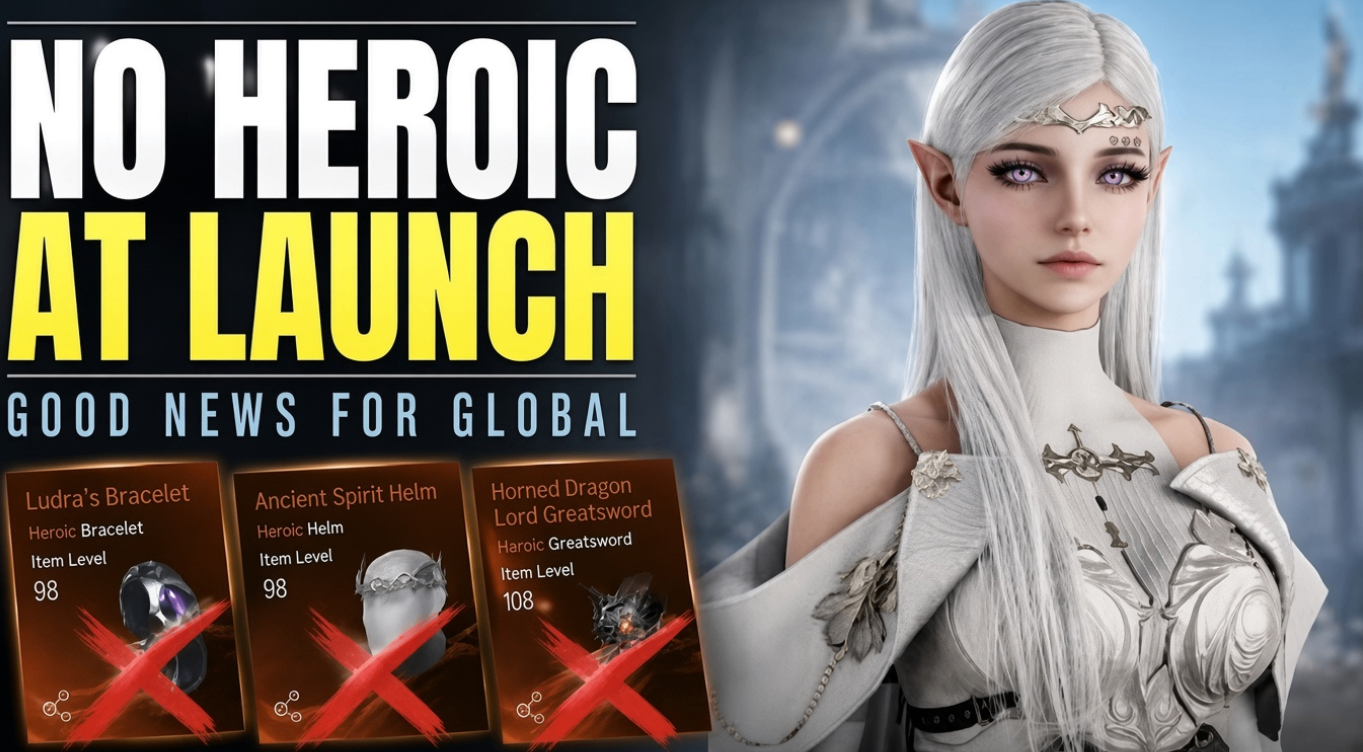
The recent Japanese livestream for Aion 2 has provided valuable clues about the global version of the game. Unlike the Korean servers, the global build appears to introduce meaningful adjustments that affect progression, gear access, and overall balance. These changes, visible through background footage, tooltips, and gameplay segments, suggest a more even starting point for players worldwide.
Key differences include the absence of Heroic gear drops from Conquest dungeons and Sanctuary, higher item level entry requirements for certain content, a skill and stigma level cap of 20, and confirmation that only the original eight classes will be available at launch. Transcendence dungeons also show important updates. This article focuses on how these shifts influence Arcana card systems and team composition strategies.
Understanding the Arcana Card System in the Global Build
Arcana cards form a core progression system in Aion 2. Players equip these cards to gain combat power boosts, passive stats, and increases to skill levels. Cards come in different rarities and types, such as those providing active skill enhancements or passive bonuses. They are primarily obtained through Transcendence dungeons.
In the global version observed in the livestream, Transcendence features four difficulty levels. A notable improvement is the availability of Rare Arcana cards starting from level 1. On Korean servers, lower levels typically offered only common cards, making early runs less rewarding. This change encourages players to engage with the content earlier and more consistently.
The skill level cap appears set at 20. This limit applies to both regular skills and stigmas, with no advanced stigma shard system visible in the test build. Arcana cards play a crucial role here because they provide additional skill levels beyond what gear and base progression offer. Reaching the higher thresholds often requires carefully selected cards that boost specific abilities.
Without Heroic Amplify Stone fragments dropping from Transcendence, enhancing the highest-tier gear becomes more restricted at launch. This reinforces a level playing field. Players will rely more heavily on Arcana optimization rather than chasing rare gear pieces that only well-funded accounts could secure quickly.
Crafting and refining higher-tier Arcana cards involves materials and currency costs. Efficient management of Aion 2 Kinah becomes important for transmutation attempts and related upgrades. Players looking to accelerate their card collection may choose to buy Aion 2 Kinah through legitimate channels when needed to support these systems without excessive grinding.
Impact of Progression Changes on Card Strategy
Higher item level requirements for dungeons mean players cannot easily skip early content. One-star dungeons remain relevant longer because entry thresholds to two-star content demand solid preparation. This smoother curve benefits Arcana farming. Lower-level Transcendence runs now yield better cards, allowing gradual power increases that feel more natural.
The missing Sprout Badge and Growth Pass systems align with a launch focused on new players rather than catch-up mechanics. Early Arcana farming will define character strength more than temporary boosts. Teams that coordinate card prioritization-such as focusing on skill level boosts for key abilities-will clear content more efficiently.
Card sets provide additional set bonuses. Players should analyze which combinations enhance their primary role. Offensive cards that raise critical damage or skill multipliers suit damage dealers, while defensive or recovery-oriented cards support tanks and healers. Multiple loadouts allow quick swaps for different encounters.
Team Composition Fundamentals with the Original Eight Classes
The Japanese FAQ confirms that Brawler will not appear at launch. Only the classic eight classes return: Templar, Gladiator, Assassin, Ranger, Sorcerer, Spiritmaster (or Elementalist), Cleric, and Chanter. This preserves the traditional Holy Trinity structure of tank, healer, and damage dealers.
A solid group composition starts with a dedicated tank. Templar serves as the primary option due to strong defensive tools and threat generation. Gladiator can function as an off-tank or high-survivability melee damage dealer, offering area control and solid personal durability.
Healing and support come from Cleric and Chanter. Cleric focuses on direct healing and recovery, making it essential for sustained fights. Chanter provides powerful buffs that increase team damage, movement, and resistance while offering secondary healing. Including both creates a resilient support core.
Damage roles divide into melee and ranged options. Assassin delivers high single-target burst from stealth and positioning. Ranger offers consistent ranged physical damage with traps and control. Sorcerer specializes in elemental magical damage and area effects. Spiritmaster brings summon-based damage and utility through spirits.
Recommended Party Setups for Early and Mid-Game Content
For standard five-player dungeons under the adjusted party sizes, a balanced composition works well: one Templar, one Cleric, one Chanter, and two damage dealers. The second damage dealer can be a Gladiator for extra frontline presence or a ranged class for safer positioning.
An aggressive setup might replace the Chanter with another strong damage dealer if the group has high skill and good Arcana optimization. However, the extra support from Chanter often proves more reliable during learning phases of new mechanics.
In larger Sanctuary or raid content, expand the support layer. Aim for one or two tanks, two or three healers and buffers, and the remainder as damage specialists. Prioritize classes that benefit most from Arcana skill level increases on their core abilities. A well-built Assassin or Sorcerer with optimized cards can significantly raise group clear speeds.
The absence of Heroic gear at launch reduces the power gap between players. Team success depends more on coordination, class synergy, and smart Arcana choices than on individual gear quality. Groups that communicate about card priorities-such as ensuring healers reach key skill thresholds first-will progress faster.
Strategic Considerations for Launch Progression
Higher item level gates encourage thorough exploration of early dungeons. Running these instances not only builds gear but also provides opportunities to gather initial Arcana cards. Consistent farming of Transcendence at accessible levels yields Rare cards earlier than expected from Korean experiences.
Currency management remains relevant throughout. Enhancing skills, refining cards, and covering various upgrade costs all draw on Aion 2 Kinah. Players who plan their spending carefully maintain steady progress. When time is limited, options to buy Aion 2 Kinah can help maintain momentum without disrupting the overall enjoyment of the balanced launch environment.
The global version appears designed as a refined starting point rather than a direct copy of the Korean live servers. The removal of early Heroic access, combined with improved low-level Arcana rewards and a clear class roster, creates opportunities for thoughtful team building and card optimization from day one.
Players preparing for launch should study the available Arcana types and practice core class rotations. Experiment with different group combinations in the skill testing phases if available. Focus on understanding how card bonuses interact with class kits. Strong fundamentals in these areas will matter more than chasing the absolute highest rarity gear in the opening weeks.
These adjustments point toward a healthier progression curve. A more level playing field allows skill, coordination, and strategic Arcana use to determine success. As more details emerge from future streams, teams can refine their approaches further. For now, the Japanese livestream offers a clear direction: prioritize smart card choices and balanced compositions built around the original eight classes.