










Kinah is one of the most important currencies in AION 2. You need it for gear upgrades, enchantments, crafting, resources, and other character expenses. However, not every farming method provides the same type or amount of value.
In this AION 2 Kinah farming guide, we'll cover the best ways to earn Kinah, including Expeditions, monster hunting, quests, Daily and Weekly Duties, open-world farming, gathering, crafting, Marketplace trading, and alts.
Bound Kinah vs Unbound Kinah
Before farming, it is important to understand the difference between Bound Kinah and Unbound Kinah.
Bound Kinah is restricted to the character that earns it. You can use it for that character's progression and expenses, but it cannot be freely traded or transferred between characters.
Unbound Kinah is more flexible. It can participate in the player economy and can be transferred between your own characters, making it especially useful when using alts to support your main character.
This distinction matters when comparing farming methods. An activity that provides Unbound Kinah or valuable tradeable items can have greater economic value than one that only provides Bound Kinah.
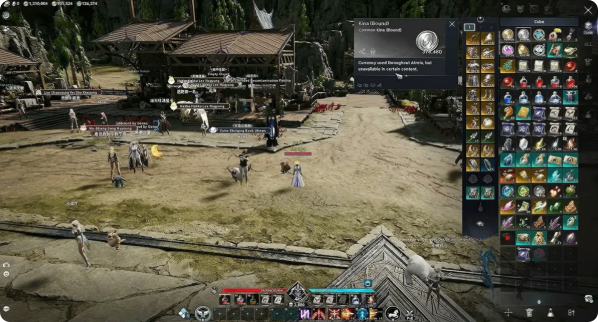
Go on Expeditions
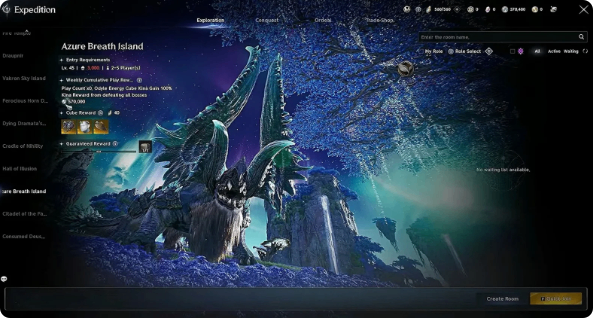
Expeditions are one of the useful ways to earn Kinah while collecting other progression materials. After defeating the final boss of an Expedition dungeon, you can spend Odyle Energy to open an Odyle Energy Cube for additional rewards, which can include Kinah.
Higher-tier and more difficult Expeditions generally provide better rewards. However, some dungeons may reduce the amount of Kinah received after several Odyle Energy reward claims.
For better efficiency, compare the Kinah and other rewards you receive with the amount of time and energy required to complete each Expedition.
Hunt Monsters for Kinah
Regular monsters can drop Kinah, making open-world hunting another steady source of income. This method becomes even more efficient when you are already farming enemies for materials, Pet Souls, or other valuable drops.
You can use the Sources feature from the Pets Menu to help find suitable targets.
Monster farming also has a daily Kinah acquisition limit, which can reach up to 1,000,000 Kinah. Once you reach the limit, continuing to hunt monsters will no longer provide additional Kinah from this source.
Complete Quests and Duties
Main Story quests are particularly useful for newer players because they provide Kinah alongside XP, gear, new systems, and access to additional farming content.
Quest and Duty rewards provide Bound Kinah, but that does not make them worthless. Bound Kinah can still be used for many normal character expenses.
Daily and Weekly Duties are also useful because they provide reliable recurring rewards. Prioritize objectives that offer worthwhile rewards and try to complete several tasks in the same area to reduce travel time.
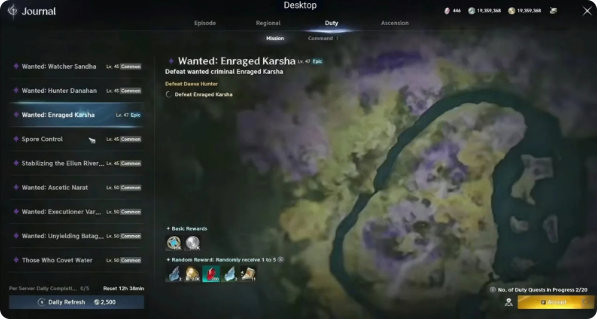
Duty: Mission quests can be accessed through the Journal's Duty tab, while Duty: Command quests use Command scrolls purchased from the appropriate merchants in Verteron and Altgard.
Farm the Kinah Daily Dungeon
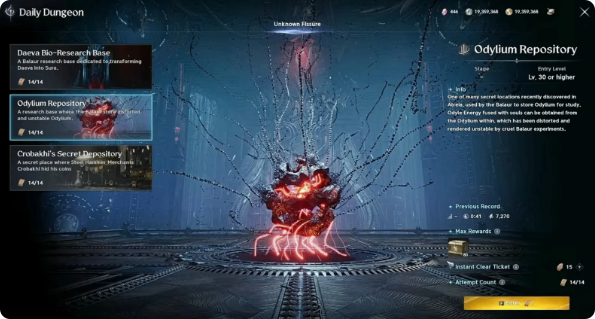
The Kinah Daily Dungeon can provide direct Kinah income. Its efficiency largely depends on how quickly and consistently you can complete the dungeon.
To improve your results:
· Focus on clear speed.
· Learn the dungeon layout.
· Minimize unnecessary movement and downtime.
· Pay attention to scoring requirements.
· Check the current reward system before farming.
· Compare its Kinah-per-hour value with other activities.
A smaller reward can still be more profitable if you can complete the activity significantly faster.
Farm Valuable Drops in the Open World
Open-world farming allows you to earn Kinah while collecting XP and valuable items. Instead of focusing only on direct Kinah drops, look for areas where enemies can be cleared quickly and consistently.
Potential rewards include:
· Equipment
· Mana Stones
· Soul Stones
· Refining materials
· Crafting materials
· Other tradeable drops
The best farming location can change as Marketplace supply and demand change. Before committing to a farming spot, consider clear speed, drop quantity, item value, travel time, PvP risk, and current Marketplace demand.
Abyss Farming
Abyss farming can provide equipment, Mana Stones, Soul Stones, refining materials, and crafting resources that may have Marketplace value.
However, PvP creates additional risk. Other players can interrupt your farming session, reducing your actual Kinah-per-hour efficiency. Therefore, evaluate the entire loot pool and your ability to farm consistently rather than focusing on the price of one individual item.
Gather and Sell Materials
Combat is not the only way to make Kinah. Gathering can provide steady income when you collect materials that other players need.
Materials such as Odyle, gems, ore, and other crafting resources can be sold through the Marketplace when demand is strong.
Gathering efficiency also matters. Improving abilities such as Proficient Handling and Delicate Touch can help you collect useful materials more effectively.
Always check current supply and demand before spending a large amount of time gathering a particular resource. High prices can fall quickly when many players begin selling the same material.
Sell Valuable Items on the Marketplace
The Marketplace is an important part of the AION 2 economy because valuable tradeable items can be converted into Unbound Kinah.
After completing dungeons, open-world farming, gathering, or other activities, don't automatically sell every item to an NPC. Check whether other players are willing to pay more for it.
Potentially valuable items include:
· Enhancement Stones
· Crafting materials
· Useful gear
· Manastones
· Consumables
· Rare drops
Remember to consider Marketplace fees when comparing the player-market value with an NPC selling price.
Try Marketplace Flipping
Experienced players can also attempt Marketplace flipping by buying items when prices are low and reselling them when demand increases.
However, flipping carries greater risk. Check recent price trends, buyer demand, Marketplace fees, and potential changes caused by patches or events. Avoid putting most of your Kinah into a single item.
Craft Items for Profit
Crafting can become another source of Kinah when you understand what players currently want to buy.
Potentially profitable products can include:
· Potions
· Food
· Scrolls
· Upgrade-related items
· Popular crafted gear
Gathering some materials yourself can reduce production costs. However, always calculate the actual profit before crafting for the Marketplace.
Selling Price − Material Cost − Marketplace Fees = Actual Profit
Also compare the value of the raw materials with the expected selling price of the finished product. Sometimes selling materials directly is more profitable than crafting them.
Use Alts to Increase Your Income
Once your main character is established, alts can provide additional farming opportunities through character-based activity limits.
You can use alts for eligible:
· Daily content
· Dungeons
· Expeditions
· Valuable material farming
· Other character-limited activities
However, an alt is only worthwhile if its additional rewards justify the time and resources required to level, gear, and maintain it.
A practical approach is to start with one alt after your main character is strong enough to comfortably support the additional workload.
Look for Hidden Cubes
While exploring AION 2, keep an eye out for Hidden Cubes. These can provide Lucky Kinah Chests alongside other useful rewards.
Hidden Cubes can be found throughout the world, often away from the main path. You need a Key: Hidden Cube to open them, so exploration can occasionally turn into an additional source of Kinah.
Final Tips for Efficient Kinah Farming
There is no single farming method that is always the best. Your most efficient routine depends on your level, gear, available content, energy, clear speed, and the current Marketplace economy.
For the best results:
1. Complete worthwhile Daily and Weekly Duties.
2. Use available Odyle Energy on valuable Expeditions.
3. Farm monsters when you can combine Kinah drops with useful materials.
4. Sell tradeable items when Marketplace demand is strong.
5. Gather materials that have consistent demand.
6. Calculate crafting profits before using expensive materials.
7. Consider alts once maintaining them becomes worthwhile.
8. Compare Kinah, tradeable loot, energy costs, and time instead of looking at direct Kinah alone.
By combining several activities and adjusting your routine according to the current economy, you can build a much more efficient AION 2 Kinah farming strategy instead of relying on a single repetitive farming method.