






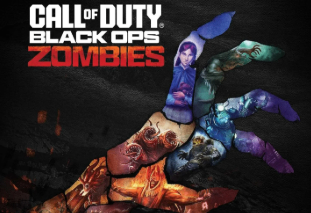
Summary: Call of Duty: Black Ops 2 Zombies has never been short on secrets, but some of its most interesting ideas never actually made it into the final game. The Zombies art book gives a rare look at concepts, cut mechanics, Black Ops 2 Bot Lobbies, unused locations and early versions of maps such as TranZit, Die Rise, Mob of the Dead, Buried and Origins.
Some of these discoveries are confirmed through developer material, while others are theories based on concept art and early builds. Together, they show just how different Black Ops 2 Zombies could have been.
TranZit Nearly Had More Bus Upgrades
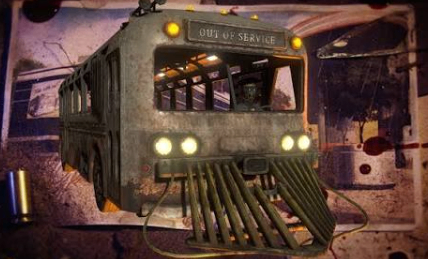
TranZit's iconic bus already has several upgrade parts, including the roof ladder, rear ladder and front plow. However, early concept material shows another idea: a window blocker.
The concept depicts metal plates with openings that would allow players to shoot through them while preventing Zombies from entering. One possible design even appears intended for the windshield.
This could have dramatically changed the way players defended the bus. The final game only gives players a limited number of bus upgrades, making the unused window blocker one of TranZit's more interesting abandoned ideas.
The Weapon Locker Started as a Full Weapons Vault
The TranZit weapon storage system is represented in the final game by the familiar refrigerator. But the early concept was much more elaborate.
The art book shows a heavy industrial weapon locker with a more mechanical, almost diesel-punk appearance. It resembles a proper weapons vault rather than a household appliance.
The concept raises another interesting possibility: Treyarch may have experimented with storing multiple weapons before settling on the one-weapon refrigerator system.
TranZit's Laundry and Bowling Areas May Have Been Planned Differently
One of the most intriguing pieces of TranZit concept material shows the laundromat with its door open.
In the final map, the area is inaccessible. Yet the early image makes it appear much more connected to the surrounding streets and potentially to the bowling alley area.
That does not prove the area was ever fully playable, but it supports the idea that parts of TranZit were substantially changed during development.
The Jet Gun Used a Familiar Black Ops Animation
The Jet Gun is one of TranZit's strangest Wonder Weapons, built from scattered parts around the map.
Interestingly, its pickup animation appears to borrow heavily from the Death Machine animation from the original Black Ops. The basic movement is extremely similar, with adjustments made to fit the Jet Gun.
It is a small developer shortcut, but it is exactly the kind of detail players can miss for years.
Nuketown Zombies Originally Had a Much Larger Street
Concept art for Nuketown Zombies shows a version of the map where the street below the normal playable area appears accessible.
The artwork contains significant environmental detail, suggesting the area was considered during development. However, concept art alone cannot prove that this section was ever implemented as a playable space.
The idea is especially interesting today because BO7 brought players back to a heavily destroyed Nuketown through Paradox Junction and its Nuked version. Activision officially describes Nuked as a Survival map based on the post-nuke version of Paradox Junction.
Why Is It Called Die Rise?
Die Rise is one of Black Ops 2's most recognizable map names, but according to the developer story in the source material, the name began as an internal joke.
The map revolved around climbing and moving between enormous skyscrapers. The title "Die Rise" reportedly grew out of that concept before becoming the official name.
It is a surprisingly fitting example of how a casual development joke can become part of Zombies history.
Who's Who Was Originally "Chug-A-Bud"
The Who's Who Perk-a-Cola had a completely different working name: Chug-A-Bud.
Game-file evidence also connects Who's Who with the name "chugabud," supporting the fact that this was not simply a fan-created nickname.
The perk itself allows a downed player to control a doppelganger and attempt to revive their original character, making its strange original name another forgotten piece of Die Rise development history.
Jumping Jacks Could Have Had Wings
Die Rise introduced Jumping Jacks as its special enemy type. They leap around the map, move unpredictably and can reward perfect accuracy with an additional perk power-up.
According to the developer material discussed in the source, their early concept was different: they were supposed to have wings.
That would have completely changed how the creatures moved through the enormous elevator shafts of Die Rise. Even though the final enemies lost their wings, traces of earlier design ideas can apparently still be spotted on their models.
Mob of the Dead Had a Larger Puzzle Concept
Mob of the Dead also went through major changes.
The loading screen contains a small numerical grid, and early builds reportedly featured a larger version of the map with additional areas, including the Sally Port section.
An early 3x3 numerical puzzle appears to have involved finding numbers around the environment and using them as a code. That concept seems to have been removed before the final release.
The art book also documents an unused tunnel system that would have provided another route through Alcatraz.
The Hell's Retriever Started as Something Different
The Hell's Retriever is one of Mob of the Dead's most recognizable weapons, but the concept behind it reportedly changed.
Instead of wolf heads, early designs featured Dream Catcher-inspired imagery. This fits with developer commentary about the original concept and connects the weapon to the historical themes associated with Alcatraz.
The final wolf-head design gave Mob of the Dead a much darker visual identity, but the earlier concept shows how dramatically the map's symbolism evolved.
Buried's Mansion Was Originally More Complicated
Buried's mansion looks relatively straightforward in the final version, but early layouts suggest it originally contained several bookshelves and a more complicated route through the building.
Concept sketches show a staircase and additional bookshelf placements that no longer exist in the final playable layout.
This is a classic example of level design being simplified during development to make navigation easier for players.
Arthur Was Originally Designed Differently
Arthur, also known as Leroy in early discussion, received several character concepts.
One particularly strange design gave him enormous arms, making him resemble a comic-book powerhouse. Another concept featured text on his fists that later evolved into the final Candy and alcohol-related mechanics.
The final version of the giant became one of Buried's most memorable characters, but the concept art shows how different his role and appearance could have been.
Origins Was Supposed to Be Even Bigger
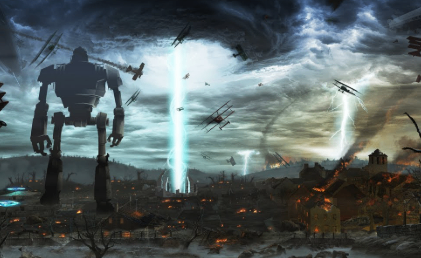
Perhaps the biggest revelations come from Origins.
Early plans reportedly included a full French village between the Church and excavation areas, along with an additional generator. The map was originally envisioned as a much larger environment.
Even more surprising were the planned underground Chambers. Early concepts placed them within physical tunnels instead of the Crazy Place-style portal system used in the finished game.
Developer commentary also describes plans involving flooded underground tunnels and a Panzersoldat suit that players could potentially use to traverse them.
There were even ideas for teleporting players into the airships above the map.
These concepts help explain why Origins feels so large and interconnected despite eventually being reduced from an even more ambitious design.
Why These BO2 Zombies Secrets Still Matter
The most interesting thing about the Black Ops 2 Zombies art book is not simply discovering unused weapons or deleted rooms. It shows how TranZit, Die Rise, Mob of the Dead, Buried and Origins evolved during development.
Some ideas were removed, some were simplified, buy COD Black Ops 2 Bot Lobbies and others were transformed into completely different mechanics.
More than a decade later, those unused concepts still matter because they reveal how Treyarch built one of the most ambitious Zombies lineups in Call of Duty history.
And with modern Zombies continuing to revisit older locations-such as BO7's return to Nuketown through Paradox Junction and Nuked-old Black Ops 2 development ideas can suddenly become relevant again.