Weekend Drop -














For a lapsed CoD Modern Warfare fan, the decision depends on how much those other modes matter. A six-to-eight-hour campaign and an extraction mode you already want to explore provide a different proposition from another year devoted entirely to public 6v6. With public multiplayer only a day old on October 24, the evidence supports a launch assessment rather than a settled judgment on its long-term environment.
There is also a financial difference for players accustomed to trying recent COD releases through a subscription. MW4 is a separate paid release at launch, with Game Pass availability planned for Holiday 2027.
Three Modes, Different Commitments
Modern Warfare 4 offers returning players a compact campaign, a more structured DMZ and a shift toward positional multiplayer combat. Its campaign length and extraction systems provide concrete ways to assess the package. Public 6v6 is less settled: spawn complaints, handling preferences and uncertain playlist behavior make its launch experience harder to generalize.
Mode | What Holds Your Attention | Main Commitment |
Campaign | Scripted action and Price's story | A finite story with difficulty-based replay appeal |
DMZ | Missions, equipment and Operator development | Preparation, extraction risk and rebuilding after losses |
Multiplayer | Competitive matches and weapon mastery | Repeated exposure to the public lobby experience |
Weapon development connects multiplayer and DMZ, while DMZ also has separate levels and Operator progression. That creates room to change activities without abandoning every goal, although challenge eligibility still varies. Campaign rewards do not make every progression system interchangeable.
Campaign: A Compact Reason to Return
Price and the Korean Front
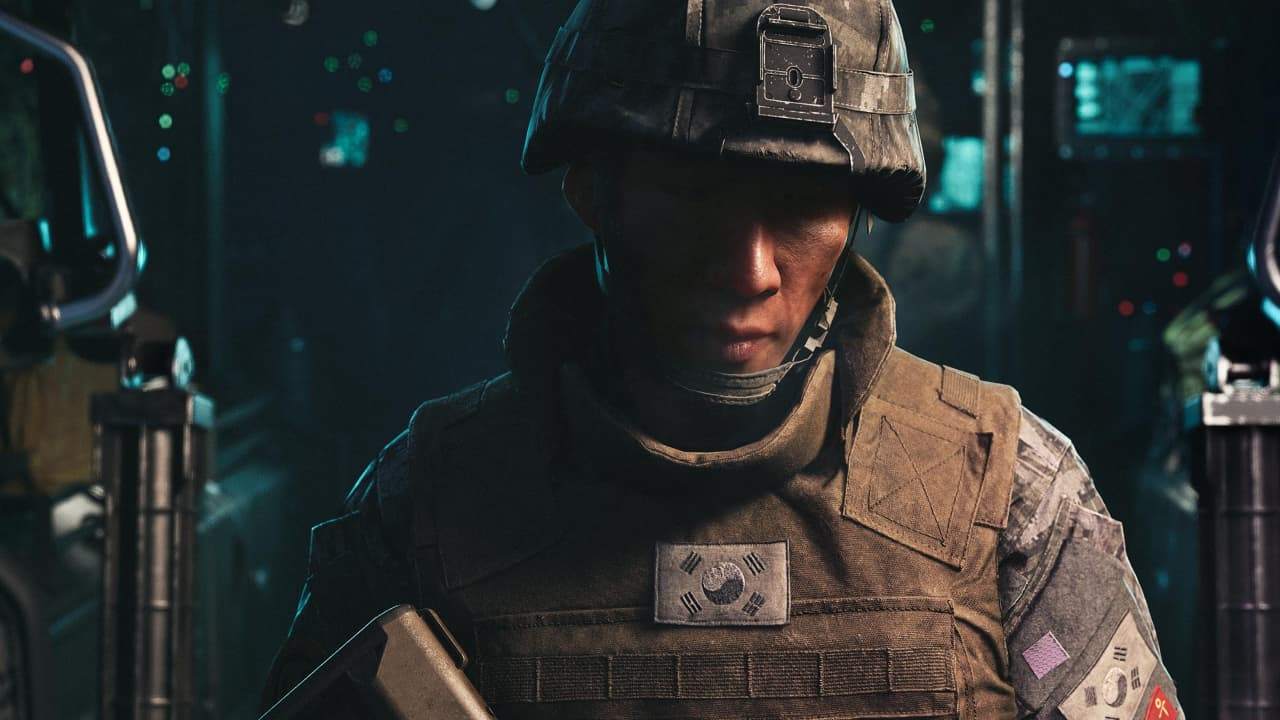
MW4's campaign follows two perspectives: young South Korean soldiers facing a North Korean invasion, and Captain Price pursuing revenge outside his former institutional support. Park's story puts the player inside a collapsing front line. Price's gives familiar characters a more personal conflict, with his methods becoming part of the tension.
For returning fans, that second thread offers continuity beyond another collection of international firefights. Price's decisions carry more narrative interest than simply waiting for the next recognizable face. The Korean storyline supplies the larger battlefield spectacle, although its recruits' characterization has attracted more mixed reactions than the staging around them.
Urban assaults, trench fighting and chases provide the concentrated action associated with classic COD campaigns. That density is appealing if you want a military thriller for a weekend. It can also make the story feel hurried when another location or set piece arrives before the previous one has settled.
Open Missions and Replay Value
Linear missions benefit from controlled encounters and deliberate scene changes. Open sections introduce exploration, outposts and objectives you can approach in a different order. Stranded provides a break from the campaign's relentless forward momentum, but optional tasks can also delay a story you want to continue.
Expect roughly six to eight hours for an initial completion, depending on difficulty and exploration. Further value comes from revisiting encounters, increasing difficulty and pursuing challenges. Optional objectives extend that time without turning the campaign into an endlessly replayable mode.
If the campaign is your only attraction, judge the package as a short story experience. For players who rarely replay campaigns, most of its value rests on that first completion; difficulty challenges add more for those who enjoy revisiting encounters.
DMZ: Progression and Long-Term Value
A Stronger Progression Structure
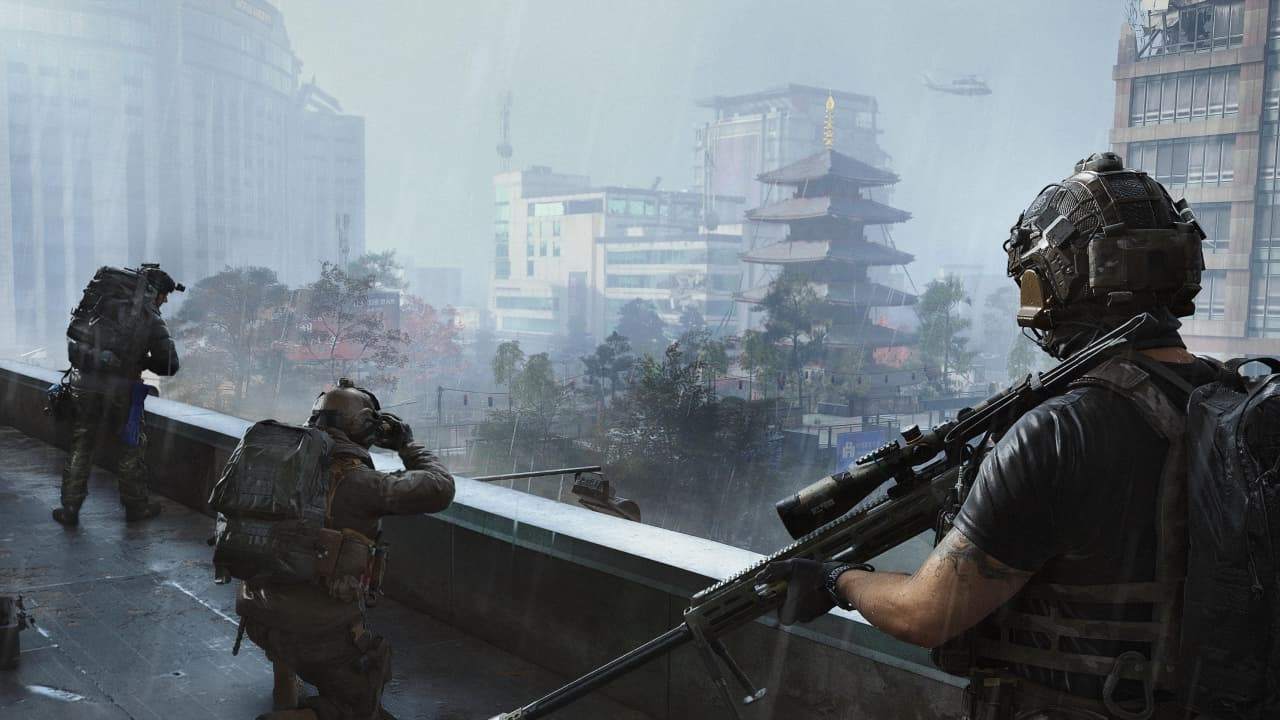
MW4 DMZ's clearest improvement over the Modern Warfare II beta is the structure surrounding each deployment. Hajin offers missions and resource gathering, while the Forward Operating Base gives those activities somewhere to lead. Equipment management, crafting and Operator Traits create goals beyond leaving with a better weapon.
The 3D Printer connects preparation with exploration: unlock a recipe, identify its materials and enter the next deployment with a reason to search particular locations. FOB upgrades can improve future preparation. These systems give an otherwise routine resource trip a purpose that survives the end of the match.
Operator recovery also changes the meaning of failure. An eliminated Operator becomes MIA. Recovering that Operator with DMZ Cash preserves their Traits, but returns them without equipment; recovery costs increase with Trait development. Losing a deployment can therefore mean rebuilding a loadout and spending reserves while retaining the character investment you choose to recover.
The Test after Early Unlocks
That foundation makes DMZ a plausible main activity for someone who enjoys extraction games. The longer-term question is whether missions remain interesting after the excitement of new facilities and recipes fades. More unlocks help sustain direction, but they cannot make every repeated search or return journey enjoyable.
Three things determine its lasting appeal: whether objectives produce different encounters, whether upgrades change your preparation in useful ways, and whether gathering supplies feels proportionate to the time spent on the mission itself. Another trip for crafting materials can be satisfying when it supports a specific plan. Repeatedly rebuilding before attempting the same unfinished objective can become tiring.
PvP supplies variation, but also interrupts progress. Another squad can turn an ordinary run into a tense escape, or end a session before its intended objective gets underway. If the main appeal is uninterrupted cooperative mission completion, that uncertainty remains a substantial cost.
The launch systems support a continuing progression loop. They do not yet establish that mission variety and public-server behavior will sustain dozens of hours, let alone hundreds. Its value as an alternative to 6v6 depends on how enjoyable those deployments remain between unlocks.
What Solo Players Should Expect
Solo DMZ offers freedom over route and pace, with fewer disagreements about when to leave. It also puts navigation, combat and extraction decisions on one player. Small, focused runs suit that structure: pursue one mission or material goal, then reconsider the next engagement once you have something worth extracting.
Squads have more room to recover through covering fire and revives. Solo players need greater tolerance for abandoning a plan when the next fight becomes unfavorable. Quiet deployments and successful solo missions demonstrate that solo play can work; they do not guarantee protection from stronger groups.
The bounty system adds consequences to Operator eliminations, but reports of bounties following defensive fights leave questions about its handling of context. It should not be treated as protection for a task-focused player. Task-focused solo players bear more of that disruption than a coordinated squad seeking unpredictable encounters.
Multiplayer: Familiar Combat, Familiar Concerns
How MW4 Compares with Recent COD
Modern Warfare 4 moves back toward the positional combat associated with the 2019 reboot, alongside more restrained movement than MWIII. Reading routes and controlling an approach matter more when opponents have fewer movement options for breaking an angle. That direction will appeal to some returning fans, but it also revives the arguments about protected positions that accompanied that style.
Reference Point | MW4's Direction | What It Means for Returning Players |
Modern Warfare 2019 | Familiar emphasis on routes and positional control | A recognizable rhythm, with similar risks around held lanes |
Modern Warfare II | Early comparisons describe greater movement freedom | More mobility does not settle complaints about aiming and strafing |
Modern Warfare III | A more restrained pace than MWIII's quicker movement | Better suited to positional preferences, less appealing if speed was the attraction |
Black Ops 7 | Omnimovement gives way to a more grounded system | Less emphasis on multidirectional movement, more weight on positioning |
This is a clearer change of emphasis than a proven improvement across the board. If you disliked Black Ops 7's movement demands, MW4 addresses that preference. If MW2019's guarded lanes frustrated you, familiar Modern Warfare pacing may bring back the same irritation. The quality of each encounter still depends on responsive handling and workable routes.
Coming from MWIII, consider whether you wanted fewer movement demands or simply better maps and matchmaking. MW4's more restrained direction addresses the first preference, but it does not promise the easier matches players sometimes call MW4 bot lobbies. Improvements to maps and matchmaking still need to show up in public play.
Maps, Spawns and Match Flow
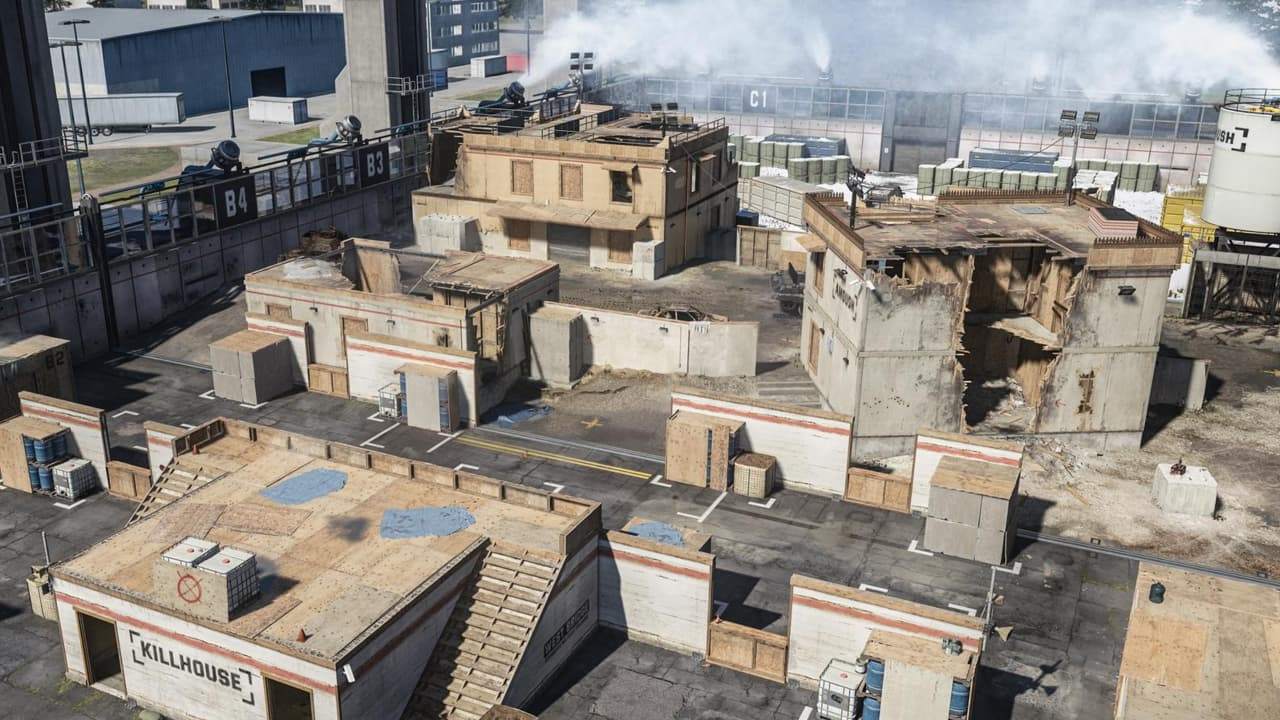
The maps offer recognizable approaches, but some lanes attract criticism for protected firing angles and limited ways to challenge them. Coal is an early example of concern about positional control. A route that looks readable on a map can still play poorly when one position repeatedly controls the exit.
Spawns can amplify that problem by returning players to an enemy's sightline. Objective placement changes traffic too, which helps explain why one map can attract different reactions across modes. The distinction between disliking a layout and repeatedly dying immediately after spawning matters when assessing what needs fixing.
Launch notes document further work on squad spawning, player separation and Hardpoint predictability. Continuing complaints show that these remain concerns in public play; they do not establish that nothing changed after the beta.
SBMM and Handling Still Matter
Demanding public matches remain a concern for players who found recent COD lobbies exhausting. Early reports describe demanding opposition and limited room to experiment. Reports of stronger opponents after successful games cannot reveal the matchmaking formula, but the frustration remains relevant to a multiplayer-only decision.
Popular playlists have produced reports of more varied opponents and persistent lobbies compared with Quick Play.
That is worth investigating, although neither observation confirms Open Matchmaking or provides a reliable route to bot lobbies. The reported playlist difference remains provisional, with no published rules establishing the distinction.
Traditional movement also leaves handling open to criticism. Tactical Sprint requires Blood Rush at launch, while complaints target ADS transitions, strafing and firing after movement.
A grounded system can still feel restrictive if those actions connect poorly. Concerns about assault-rifle advantages and controller aim assist remain player assessments without a conclusive cross-weapon comparison.
Inconsistent TTK and hit feedback deserve attention, but isolated clips cannot identify damage tuning, connection quality or server behavior as the cause.
What Public Matches Are Showing
In early public-match discussions, players describe inconsistent spawns and attachment choices that trade recoil control against ADS speed.
A separate beta-to-launch discussion describes four to six apparent hits followed by seemingly instant deaths, with replies reporting similar mismatches. These accounts identify recurring symptoms without measuring their frequency or causes.
Camping and intense lobbies are familiar COD complaints. Specific spawn and handling reports give those concerns substance in MW4, but the sample cannot establish that this launch is worse than previous years.
Positive public-lobby accounts also praise the gameplay while disagreeing over maps. Claims of deliberate matchmaking punishment, cheating or server desynchronization require evidence beyond these reports.
Alternatives to Standard Matches
Collateral offers one of the more distinctive reasons to try MW4 multiplayer. Bomb-site objectives and an economy between rounds make saving equipment and coordinating resources relevant to the next fight. Its appeal is strongest for players who enjoy tactical rounds with friends.
Kill Block changes modular layouts between rounds, while Ground War adds larger battles and vehicles. Frontline uses team-base spawns within its own ruleset. Those alternatives broaden the package, although none guarantees a satisfying traditional 6v6 experience.
Reading the Launch Reaction
MW4's arguments reflect different expectations. A returning campaign fan may welcome the spectacle; a daily multiplayer player may immediately encounter the same frustrations that drove them away before. Positive and negative reactions can both describe a real experience without representing the whole audience.
Some early multiplayer and DMZ impressions came from controlled preview sessions. Those conditions reveal combat systems more readily than public matchmaking or long-term PvP behavior.
Likewise, Steam reviews submitted before multiplayer opened cannot establish multiplayer approval. Reports of punishing matches or bot lobbies alike need context; repeated observations under the conditions you expect to play are more useful than an overall sentiment score.
Performance and Continuing Progress
What the Technical Evidence Shows
MW4 has useful PC performance evidence, although results remain setup-specific. A published 30-second campaign test at 1440p with an RX 9070 XT, Ryzen 7 7800X3D and 32GB DDR5 recorded 133fps average and 109fps 1% lows on Balanced, compared with 107fps and 85fps on Ultra. That indicates meaningful scope to trade settings for responsiveness on that hardware.
Separate campaign testing identifies traversal stutters, so a high average frame rate does not settle every smoothness concern. These campaign results also cannot establish multiplayer network behavior.
Switch 2 reporting describes a 30fps campaign, DMZ targets of 40fps docked and 30fps handheld, and a 60fps target for most multiplayer modes, with visual compromises and some dips.
Comparable launch-build PS5 and Xbox measurements are insufficient here for a confident platform-wide judgment. Beta comparisons should not fill that gap.
Camos and Repeat Play
Weapon levels, Prestige and camos give MW4 continuing goals, but the grind works best when the matches themselves remain enjoyable. Challenges can encourage close-range attempts or positional play that conflicts with the team's immediate objective.
DMZ provides another route for weapon development, although eligibility varies by challenge. Check the displayed requirements before switching modes; AI and Operator eliminations should not be assumed equivalent. Unlocks can sustain a mode you enjoy, but are a poor substitute for combat you want to return to.
MW4 at Launch: Player Considerations
For campaign-focused players, MW4 offers roughly six to eight hours of cinematic action, with Price's storyline and the Korean battlefield sequences providing its main narrative appeal.
Higher difficulties and challenges extend its replay value. Someone who completes the story once will get a more concentrated experience than a player who regularly revisits individual missions.
DMZ-focused players have a stronger basis for sustained play through crafting, FOB upgrades and recoverable Operator investment. A regular squad also makes mistakes more recoverable.
The unresolved question is how enjoyable repeated objectives remain once initial unlocks slow, particularly for solo players whose progress can be interrupted by PvP. Its launch structure supports interest without establishing a hundred-hour lifespan.
For multiplayer-focused players, the clearest change is the more grounded movement, especially compared with BO7. That suits positional preferences, while matchmaking pressure and reports of awkward handling remain relevant concerns.
The unresolved issues are specific: how consistently spawns support match flow, whether combat transitions feel responsive, and whether playlist differences receive a clear explanation. Subsequent updates and a longer period of public play can clarify those points; neither an automatic improvement nor a worsening environment is established at launch.