Weekend Drop -












Summary
If you want to become a better passer in College Football 27, simply learning the basic passing controls is not enough. The biggest improvements come from understanding timing, defensive coverage, throwing mechanics, and how to manipulate defenders before the ball even leaves your hand.
This guide breaks down nine passing secrets that can make your passing game more consistent and help you avoid many of the mistakes that hold players back. To build a roster that supports your passing attack, buy CUT 27 Coins and unlock premium recruiting tools.
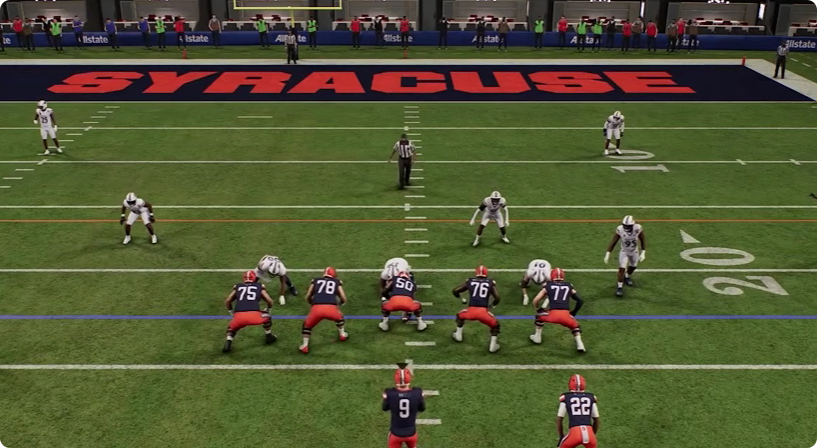
1. Stop Throwing to the Receiver - Throw to the Space
One of the easiest ways to improve your passing is to stop thinking only about the receiver's current position.
Lead Your Receivers
Instead of throwing directly at a receiver, place the ball where you want them to run. A well-timed lead pass can turn a short completion into a big gain.
This is especially useful when a receiver has leverage on a defender. If the defender is trailing, leading the receiver toward open space can prevent the defender from making a play on the ball.
Read Leverage Before Throwing
Look at the defender's position before committing to the throw. If the defender is inside, outside, above, or underneath the route, that information can determine where you should place the ball.
Good passing isn't just about accuracy. It's about putting the ball where only your receiver can make a play.
2. Learn When to Use Different Passing Inputs
Using the same passing method for every situation makes your offense predictable.
Adjust Your Throw to the Route
Different situations call for different types of passes. A quick route may require a fast, controlled throw, while a deep route may benefit from more touch and placement.
Don't automatically use maximum power. Sometimes getting the ball out quickly is more important than throwing it as hard as possible.
Don't Force Deep Throws
A receiver being open doesn't necessarily mean the deep ball is the correct decision. Check the safety first and determine whether the route actually has enough space to develop.
Taking the easy completion can often be better than forcing a spectacular play.
3. Use Receiver Separation to Your Advantage
Before throwing, identify how your receiver is getting open.
Watch the Defender's Hips
Defensive backs can give away their positioning. If a defender turns his hips in the wrong direction, your receiver may already have the advantage.
This gives you a small window to throw before the defender can recover.
Throw Before the Break
One of the biggest differences between inexperienced and experienced players is anticipation.
Don't always wait until the receiver finishes the route. If you know where the route is going, release the ball as the receiver approaches the break.
That allows the pass to arrive as the receiver becomes open.
4. Use the Sideline as an Extra Defender
The sideline can dramatically reduce the amount of field a defender has available.
Put the Ball Away From Coverage
When your receiver has outside leverage, placing the pass toward the sideline can make an interception much harder.
The defender may have to choose between attacking the ball and staying in position to prevent the receiver from making the catch.
High-Value Red-Zone Strategy
This becomes even more useful near the end zone. The sideline effectively removes part of the field, giving your receiver less space to work with but also giving the defender fewer angles to attack.
5. Don't Ignore Checkdowns
A checkdown isn't a failure. It's a way to keep the offense moving when the defense successfully covers your primary reads.
Take What the Defense Gives You
If the defense takes away your first and second options, look underneath.
A running back or tight end catching the ball underneath can still gain several yards and keep you ahead of the chains.
Avoid the Hero Throw
Many interceptions happen because players refuse to accept a short gain.
If the defense has successfully covered the deeper routes, taking five or six yards may be the smartest play available.
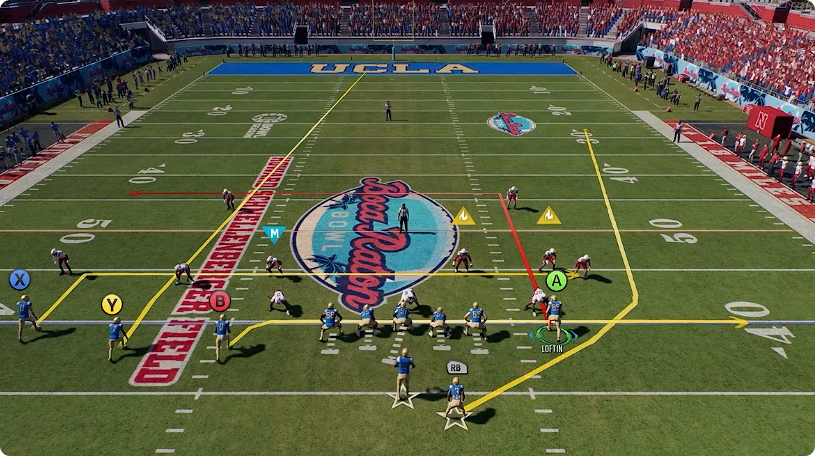
6. Learn to Throw With Pressure
Pressure changes everything. A perfect passing concept becomes useless if you hold the ball too long.
Identify the Blitz
Before the snap, look for unusual defensive positioning. Extra defenders near the line can indicate pressure.
If you recognize the blitz early, you can prepare a quick throw rather than waiting for a deeper route to develop.
Get the Ball Out Quickly
Against heavy pressure, prioritize routes that develop quickly.
Your goal isn't always to find the biggest play. Sometimes the best passing decision is simply getting the ball away before the defense reaches you.
7. Use Pre-Snap Information
The play doesn't really begin when you snap the ball. Your pre-snap read can tell you what the defense is trying to do.
Look at Defensive Alignment
Pay attention to cornerback depth, safety positioning, linebackers, and defensive movement.
If the defense is giving you obvious space underneath, don't ignore it just because you called a deep passing play.
Change Your Plan When Necessary
A good quarterback isn't married to the original plan.
If the defensive alignment tells you that your first read is unlikely to work, adjust your approach before the snap whenever the situation allows it.
8. Stop Staring at One Receiver
Locking onto one target makes your offense extremely easy to defend.
Develop a Progression
Instead of deciding before the snap that you're throwing to one player, establish a simple progression:
1. Primary route
2. Secondary route
3. Checkdown
4. Throw the ball away if necessary
This forces you to process the entire defense rather than waiting for one receiver to become open.
Move the Defense With Your Eyes
Your eyes can also influence how you approach the play. Looking toward one side before moving to another can help create opportunities elsewhere.
The more comfortable you become with progressions, the harder your passing game becomes to predict.
9. Practice One Concept Until It Becomes Automatic
You don't need to memorize every passing play to become dangerous.
Master a Few Reliable Concepts
Pick several passing concepts that you understand well. Learn how each route behaves against different defensive looks and understand where your answers are against pressure.
Once you know the concepts, you can focus on reading the defense instead of thinking about the controls.
Turn Mistakes Into Information
If you throw an interception, don't simply move on.
Ask why it happened:
Did you miss the defender?
Did you throw too late?
Did you misread the coverage?
Did you force the ball into a bad window?
Did pressure make you panic?
Understanding the mistake is more valuable than simply trying to avoid it next time.
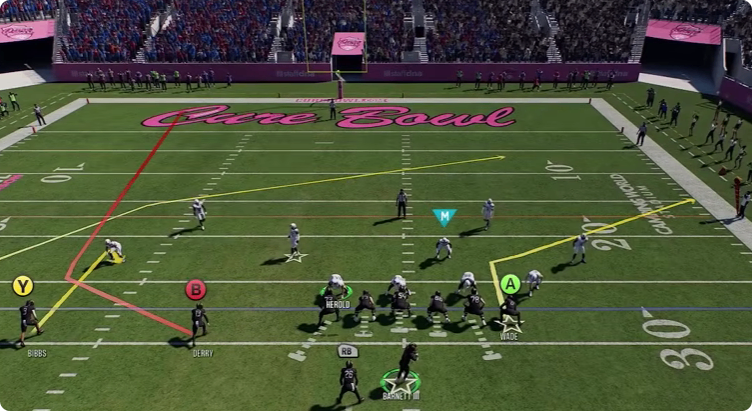
Final Thoughts
Becoming a better passer in CFB 27 is less about finding one overpowered throw and more about consistently making better decisions.
Lead your receivers, anticipate route breaks, recognize leverage, use the sideline, take checkdowns, react to pressure, and read the defense before and after the snap. Most importantly, practice a small number of concepts until the reads become automatic. To develop the talent that makes these reads count, CUT 27 Coins can help you recruit.
Once these nine habits become part of your game, you'll have a much better foundation for making accurate throws and consistently moving the ball through the air.