





Summary
Recent reports from Insider Gaming have placed the budget for this upcoming title at $40 million. This figure has sparked intense debate regarding how a mid-sized studio can deliver an open-world experience without sacrificing story quality. This article analyzes the development strategy behind the project, focusing on asset reuse and systemic storytelling.
What Changed
What Changed
The revelation of the financial scale shifts expectations significantly. Unlike AAA giants with hundreds of millions in funding, this project operates within tighter constraints. Developers are leveraging procedural generation for terrain while hand-crafting key narrative moments. This hybrid approach ensures that the core storyline remains polished despite the expansive map size.
Why It Matters
Budget transparency allows players to understand trade-offs. A $40M allocation suggests high-quality character models and voice acting but potentially less cinematic cutscene density than larger franchises. The focus is likely shifting toward gameplay-driven immersion rather than passive movie-watching experiences. This impacts how quests are structured and presented.
Who Should Care
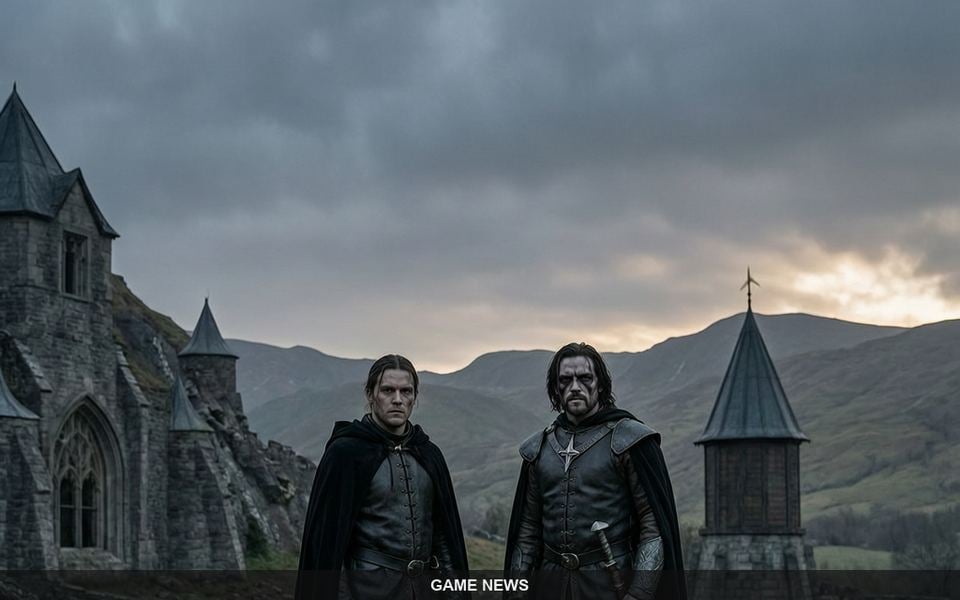
The Blood of Dawnwalker enthusiasts should pay close attention to these resource allocations. Players who prioritize deep lore and meaningful choices over graphical fidelity will find this budget model appealing. It signals a return to RPG roots where systems interact organically rather than relying on scripted events.
Development Strategy Breakdown
To balance scale and depth, the team employs specific techniques:
- Modular Environment Design: Reusing assets intelligently to create varied yet consistent zones.
- Dynamic NPC Schedules: Allowing characters to react to world changes, reducing the need for static quest lines.
- Focus on Combat Fluidity: Investing resources in animation states rather than environmental destruction.
Pros and Cons
Pros:
- High narrative coherence due to focused writing teams.
- Potentially faster update cycles for bug fixes and content tweaks.
- Stronger emphasis on player agency and choice consequences.
Cons:
- Limited graphical spectacle compared to ultra-high-budget titles.
- Possibly smaller total map size or fewer side activities.
- Risk of repetitive environment textures in non-core areas.
Resource Allocation Stats
| Category | Estimated Priority |
|---|---|
| Narrative & Voice Acting | High |
| Core Combat Mechanics | High |
| Open World Size | Moderate |
| Cinematic Cutscenes | Low-Moderate |
Final Thoughts
This budget level indicates a mature approach to modern game design. By avoiding feature bloat, the developers aim to deliver a cohesive experience. For fans of intricate storytelling and solid mechanics, this project looks promising regardless of its financial limitations.