Weekend Drop -
















Summary
This article covers Elden Ring's broken parry PvP meta after frame‑data buffs. The buckler, daggers and curved swords feature fast startup and reduced recovery, enabling frequent low‑risk parries that reshape online duels. Players must adapt with spacing, feints and hyper‑armor builds; community feedback hopes for future patches. Gamers can buy Elden Ring Runes to quickly test new parry‑oriented character setups amid this major combat shift.
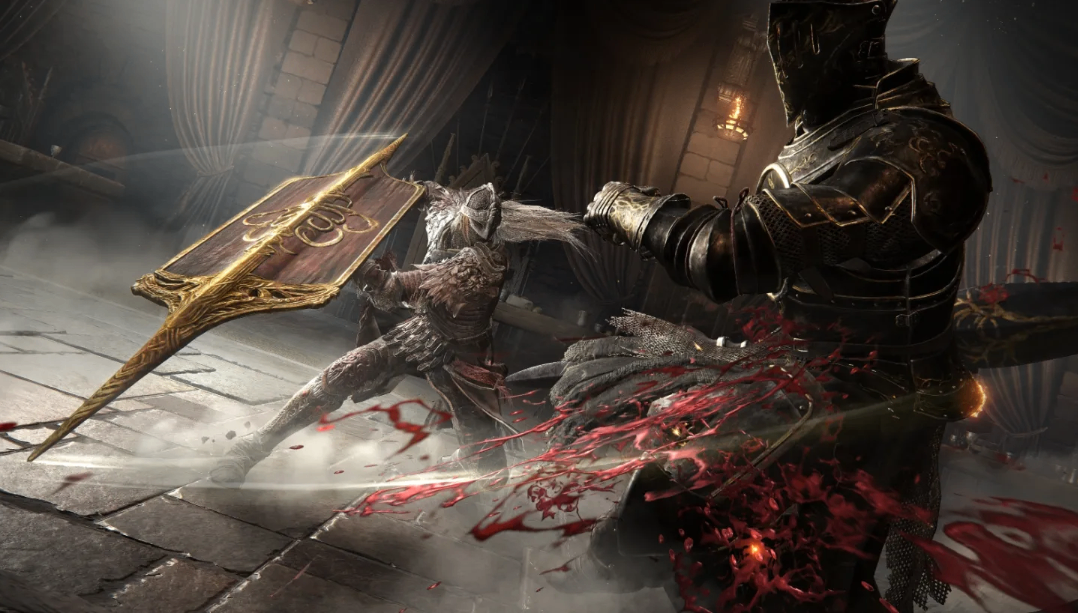
A recent update to Elden Ring has fundamentally altered the balance of player-versus-player combat. What was once a high-risk, high-reward technique has become one of the most dominant tools available. Parries across nearly every weapon and shield type received significant frame data improvements, creating a new meta that many players find both thrilling and frustrating.
Understanding the Parry Changes
The core of the shift lies in the revised startup and active frames for parry tools. The buckler stands out as the clearest example. It now features only three startup frames and five active parrying frames. Daggers and curved swords follow closely behind as some of the strongest options. These numbers represent the fastest startup times seen in the Souls series for widely available tools.
Previously, successful parries demanded precise timing and carried meaningful recovery risk. Missing a parry left the player vulnerable for a noticeable window. That window has shrunk dramatically. Players can now chain parry attempts with far less downtime, turning what should be a calculated gamble into a relatively low-risk action that still delivers high reward through critical hits.
Comparisons to earlier titles such as Dark Souls 3 fall short upon closer inspection. Frame data charts adjusted for 60 frames per second reveal that even the quickest tools in those games maintained longer startup and recovery periods. In the current Elden Ring environment, the combination of speed and recoverability stands apart.
How the New Meta Plays Out in Practice
In active matches, the difference is immediately apparent. Opponents can mash parries in succession, catching aggressive pressure or even certain delayed attacks. Running attacks, roll attacks, and some weapon arts that once felt safe now carry greater danger. Fully charged critical attacks after a successful parry deal substantial damage, sometimes outperforming traditional ripostes in both impact and visual flair.
Certain weapons benefit disproportionately. Curved swords with the parry ash of war, specific daggers, and the buckler allow players to stay mobile while remaining ready to punish. Light-rolling setups and optimized loadouts further amplify the advantage. Latency compounds the issue in online play. Higher ping can grant attack priority in some situations, making reactive parries even more reliable for the defending side under the right conditions.
The result is a noticeable shift in preferred playstyles. Aggressive R1 chains and predictable pressure lose effectiveness. Players who once relied on aggressive trading or specific weapon arts find themselves forced to adapt or face repeated critical hits. Some matches devolve into cautious probing as both sides wait for the other to commit first.
Broader Implications for Combat Balance
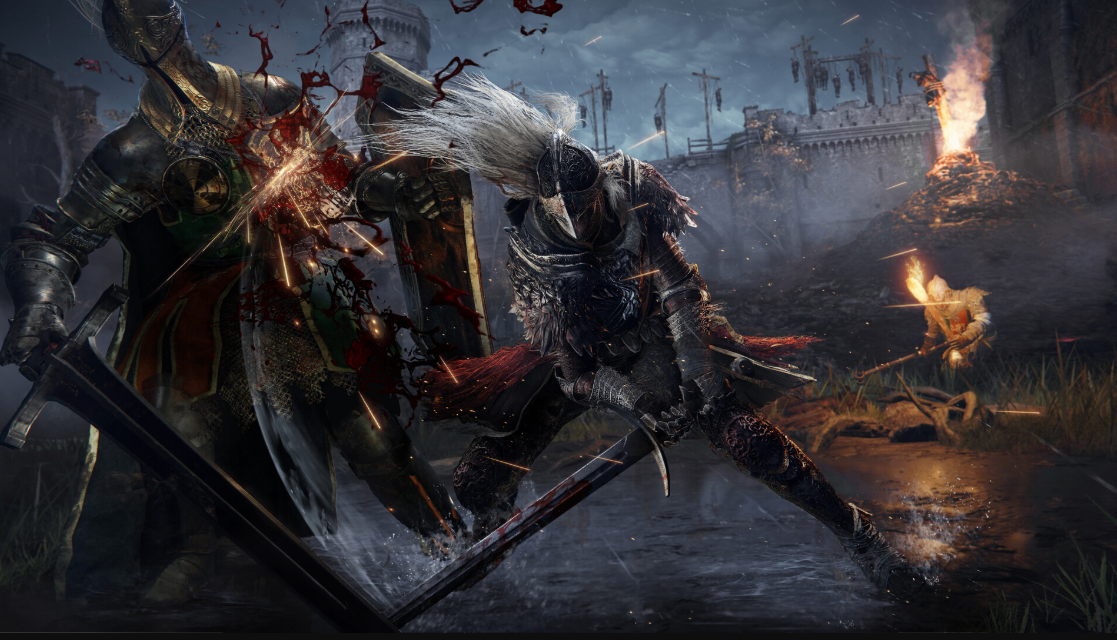
This change transforms the risk-reward equation that long defined parrying in FromSoftware titles. High risk and high reward created tension and skill expression. When the risk drops while the reward remains high, the technique risks becoming the default answer rather than a specialized option. Spammable recoveries remove much of the punishment for mistimed attempts, encouraging constant readiness rather than selective use.
Not every attack is equally vulnerable. Some delayed timings, certain weapon arts, and specific movement options still create openings. However, the overall frequency of successful parries has risen sharply. Players report that tools once considered situational now feel essential. Sidearms carrying the parry skill have gained new value even for builds focused on other strengths.
The meta also affects group encounters and invasions. Ganks that previously overwhelmed single players through volume of attacks can struggle when those attacks become parriable with greater consistency. Conversely, hosts and invaders who master the new timing gain significant defensive power.
Adapting to the Current Landscape
Players seeking to remain competitive must adjust their approach. Learning the exact timing windows of the strongest parry tools becomes essential. Spacing, delayed attacks, and feints gain increased importance as pure aggression loses reliability. Weapon choices that once felt safe now require more careful consideration of recovery frames and commitment.
Defensive options such as certain armors or ashes that resist or punish parries may see renewed interest. Builds emphasizing unparriable pressure or heavy hyper armor can create opportunities to break through the new defensive layer. At the same time, pure parry specialists thrive in the current environment, turning defense into a primary source of offense.
Resource management continues to matter in the broader game. Progress through the Lands Between still requires careful accumulation of strength, and many players look to efficient methods of gathering Elden Ring Runes to experiment with the latest builds and weapon combinations that capitalize on the parry changes.

Looking Ahead
Balance adjustments of this magnitude rarely remain static. Community feedback around the altered frame data has been strong, with many calling the current state overly permissive. Future patches may restore more meaningful recovery windows or adjust specific tools while preserving some of the accessibility improvements.
Until then, the parry meta defines much of the high-level and casual PvP experience. Mastering the new timings offers clear advantages, while ignoring them leaves players exposed. The shift rewards practice and adaptation, yet it also narrows the variety of successful approaches in direct confrontations.
For those grinding through challenging content or refining their characters, the ability to buy Elden Ring Runes provides a practical way to accelerate testing of new parry-focused setups without excessive repetition. The current state of the game rewards those willing to engage with the updated systems, whether through pure skill expression or efficient progression paths.
The evolution of combat in Elden Ring continues to surprise. What began as a targeted adjustment to parry frames has produced one of the most significant meta shifts in recent memory. Players who understand the new rules and adapt accordingly will find themselves better positioned in the ongoing struggle for dominance across the Lands Between.