Weekend Drop -












Summary
This article breaks down FC 27's new Hall of FUT feature, introducing cult‑hero special cards rated 84‑85 with unique black‑red artwork. Players finish Gallery Sets to earn Gallery Tokens and redeem these nostalgic items. Stats stay true to real‑life peak performance instead of meta‑focused power, supporting varied hybrid squads. Building chemistry around these cards demands FC 27 Coins; some players buy FC 27 Coins to speed up squad assembly, and future upgraded card variants are also expected.
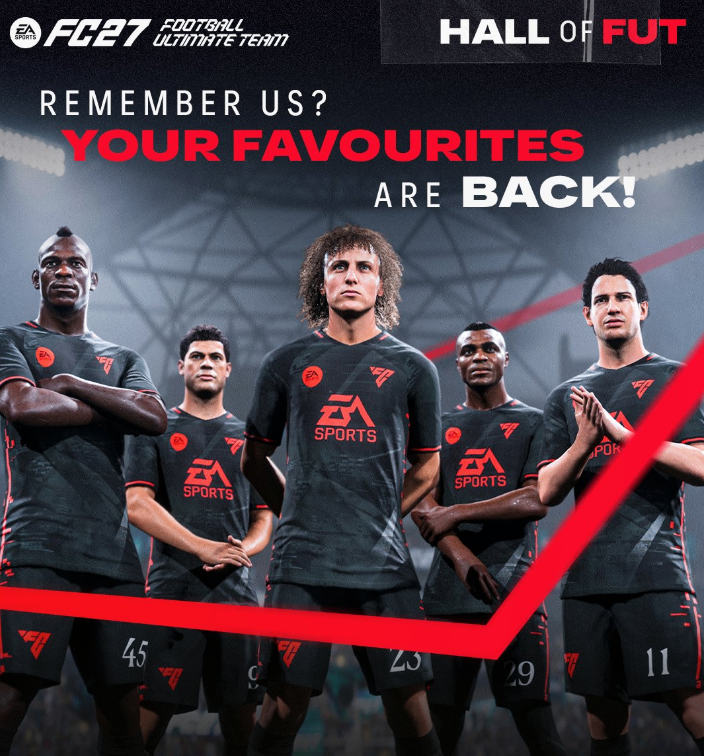
Ultimate Team legends the streets will remember. That is how EA Sports FC officially introduced the Hall of FUT feature for FC 27. The new mode brings back a selection of cult heroes through Gallery Sets. Players complete and grade these sets to earn Gallery Tokens, which can then be redeemed in the Gallery Store for base Hall of FUT Special Player Items.
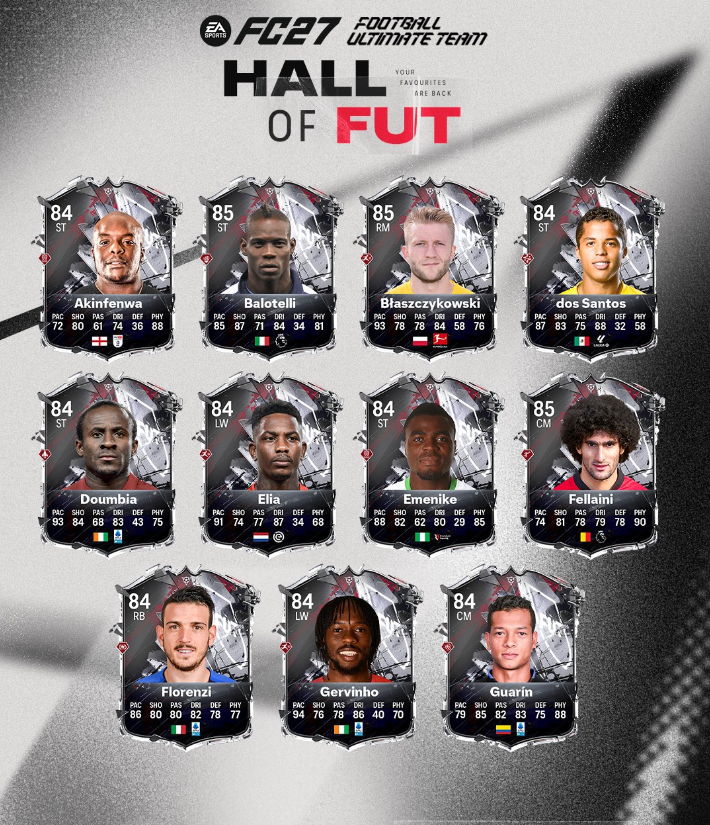
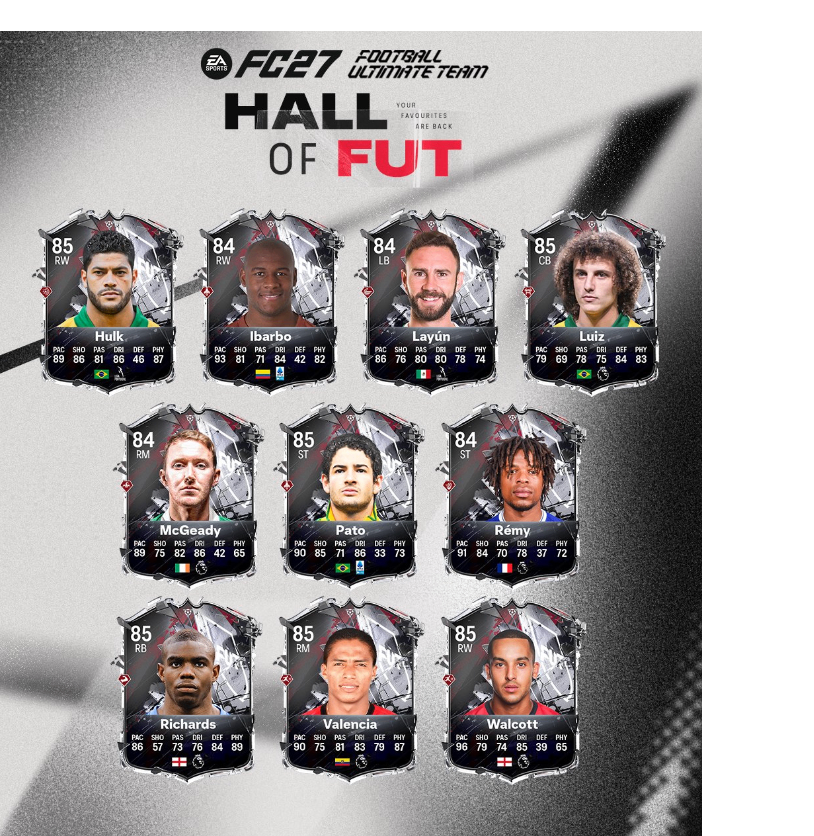
The launch post featured striking promotional art of several returning names in dark kits with red accents, alongside two detailed card grids showing the initial wave of items. Ratings cluster tightly between 84 and 85, with carefully tuned attributes that reflect each player's real-world peak rather than pure meta optimisation.
Card Design Philosophy and Visual Identity
The Hall of FUT cards use a distinctive black-and-red fractured design language. The overall aesthetic feels more premium than standard special items yet remains clearly distinct from Icons or Heroes. Faces are rendered with high fidelity, and the chemistry styles lean into the players' most memorable club or national affiliations.
A quick scan of the first batch reveals a deliberate mix of positions and play styles. Strikers and wide attackers dominate, but defensive and midfield options such as David Luiz, Micah Richards, and Marouane Fellaini provide balance. This distribution suggests EA intends the set to support multiple formation archetypes rather than force a single meta.
Attribute Analysis of the Initial Wave
Looking at the published stats offers clear patterns. Pace remains a priority for most attackers. Walcott sits at 96 pace, Gervinho at 94, and Hulk at 89. These numbers ensure the cards feel explosive on the wings or in behind, matching the street memory of these players.
Shooting values are solid but rarely elite. Balotelli reaches 87 shooting, Akinfenwa 80, and Pato 85. The design choice keeps them effective without making them automatic first-team selections over higher-rated modern cards. Physicality stands out as a compensating strength. Akinfenwa's 88 physical, Fellaini's 90, and Richards' 89 give these items strong presence in duels and set pieces.
Passing and defending numbers show more variation. Central midfielders like Fellaini (79 passing, 78 defending) and Guarín (82 passing, 83 defending) receive balanced profiles. Full-backs such as Florenzi and Layún receive respectable defensive and crossing ratings that make them viable in wing-back systems.
These attribute spreads indicate a conscious design decision. Hall of FUT cards are meant to feel authentic to the players' peak seasons while remaining accessible for squad-building. They occupy a middle tier that rewards chemistry links and tactical fit more than raw overall rating.
Position and Chemistry Implications
The selection covers a wide range of leagues and nations from the mid-2010s. English, Italian, Brazilian, and Dutch representations appear frequently. This variety helps players complete chemistry requirements without relying solely on current meta nations.
Several cards also carry unique play styles or body types that historically performed well in Ultimate Team. Strong physical strikers, rapid wingers, and aggressive centre-backs all return. Early community reaction already highlights nostalgia-driven experimentation, with many managers testing these items in hybrid squads.
Economy and Accessibility Considerations
Gallery Sets introduce a new progression loop. Completing and grading sets generates tokens that can be spent on the base Hall of FUT items. This system reduces pure pack reliance for these specific cards and gives dedicated players a clear path to acquisition.
Squad construction around these items still requires broader market activity. Managers looking to link Hall of FUT cards efficiently will often need additional high-rated players from the same leagues or nations. In that context, having sufficient FC 27 Coins becomes important for filling gaps quickly and testing different chemistry combinations.
Players who prefer not to grind every set may choose to buy FC 27 Coins through legitimate channels to accelerate squad building while still engaging with the Gallery Store. The design of Hall of FUT therefore sits at an interesting intersection of free progression and market-driven optimisation.
Follow-Up Potential for Card Design
The base items released at launch represent only the starting point. Historical patterns in Ultimate Team suggest that special versions of popular cards often receive further upgrades during the year. Potential follow-ups could include higher-rated versions with boosted play styles, alternative positions, or limited-time evolutions.
Data from the initial ratings provides a useful baseline. Cards with already high pace or physical attributes may receive more balanced upgrades, while those with clear weaknesses could see targeted improvements in shooting or defending. Monitoring usage rates and community feedback in the first few weeks will likely influence which players receive priority in future content drops.
EA has also left room for additional names. Community replies already called for players such as Taarabt, showing that demand for more cult heroes remains strong. Expanding the Hall of FUT roster with further Gallery Sets would maintain engagement and give the feature longer legs throughout the FC 27 cycle.
Tactical Fit and Meta Observations
Early tactical testing suggests several viable roles. High-pace wingers like Walcott and Gervinho suit formations that rely on width and counters. Physical strikers such as Akinfenwa and Balotelli work well in more direct systems or as target men for crosses. Defensive options like David Luiz and Micah Richards can anchor back lines that prioritise aerial strength.
The relatively modest overall ratings mean these cards will rarely dominate the absolute top end of the meta. Instead, they appear designed for creative hybrid teams and for managers who value chemistry and personal connection over pure statistical efficiency. This approach aligns with the "streets will remember" messaging and differentiates Hall of FUT from pure power-creep items.
Closing Thoughts on Design Direction
Hall of FUT successfully blends nostalgia with functional Ultimate Team design. The tight 84–85 rating band, distinctive visual style, and Gallery Token progression create an accessible entry point for fan-favourite players. Attribute distribution favours authenticity and tactical flexibility over pure meta dominance.
The feature also opens clear avenues for follow-up content. Additional sets, upgraded versions, and expanded rosters all remain possible based on engagement data. For managers building around these cards, market resources such as FC 27 Coins will continue to play a supporting role in refining chemistry and testing variations.
Overall, the launch provides a solid data foundation. The initial card designs respect the players' histories while remaining usable in modern Ultimate Team. How EA iterates on these items throughout the FC 27 season will determine whether Hall of FUT becomes a lasting pillar of the mode or a short-lived nostalgia drop. Early signs point toward a feature with genuine long-term potential.