Weekend Drop -











Summary
This article reviews Forza Horizon 6's Car Pass exclusive 1972 Nissan Patrol, a vintage off-road SUV. It features diverse powerful engine swap options capable of over 1,000 hp and performs competently in cross-country races, yet suffers major customization limits including restricted suspension, narrow tires and few body modifications, limiting its versatility. Forza Horizon 6 Credits fund vehicle upgrades, and players can buy Forza Horizon 6 Credits to test various tuned builds for this rugged classic and expand their garage lineup.
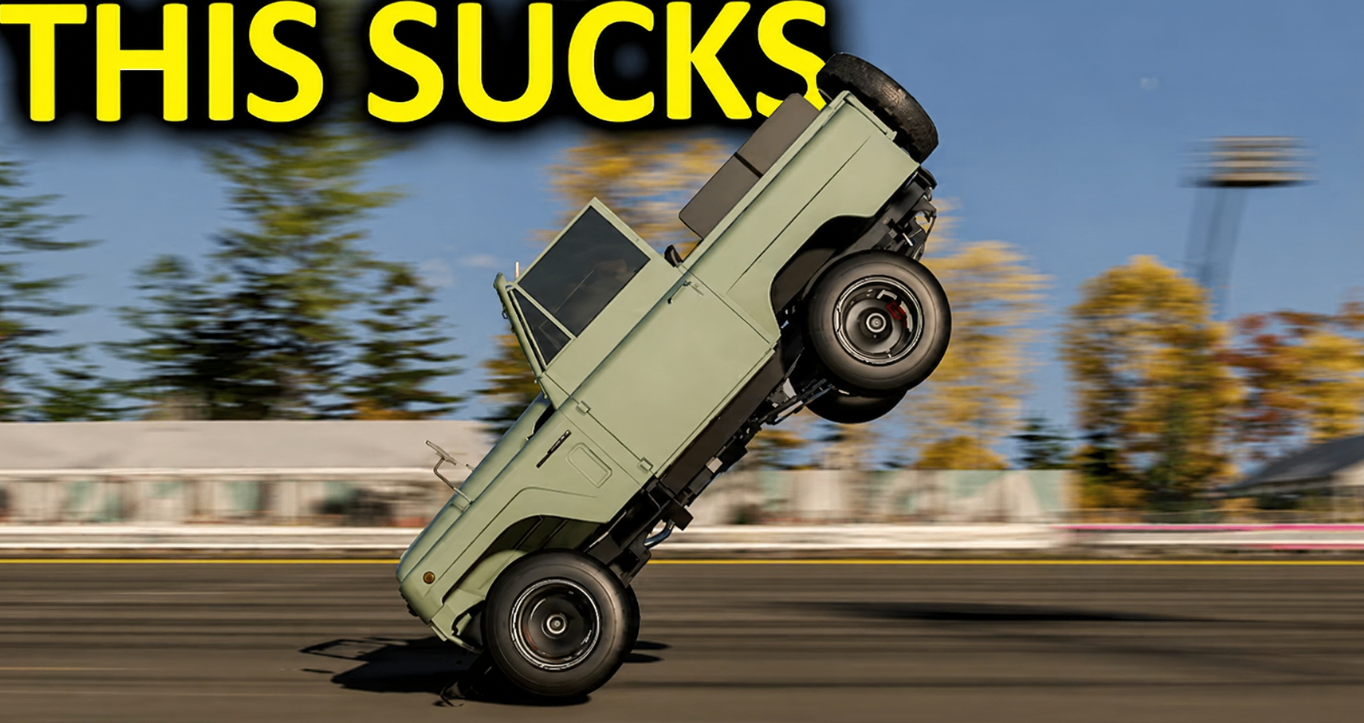
Forza Horizon 6 keeps expanding its vehicle roster with regular Car Pass additions, and one of the more distinctive recent entries is the 1972 Nissan Patrol. This classic off-roader brings a rugged, no-frills character to the open-world festival. It stands out for its vintage design and surprising upgrade potential, though certain limitations in customization leave some players wanting more.
This overview examines the car's design, historical background, available upgrades, on-track behavior, and overall place in the current Forza Horizon 6 garage.
Classic Off-Road Character and First Impressions
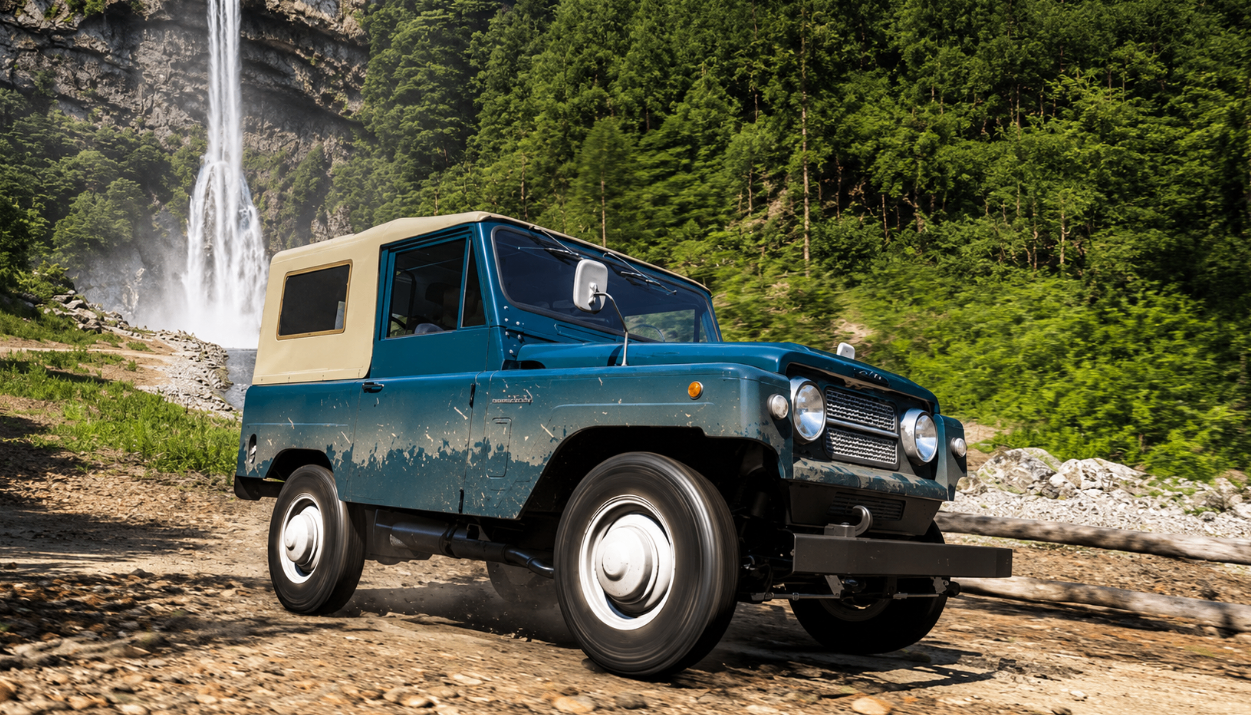
The 1972 Nissan Patrol arrives as a Car Pass exclusive. Stock performance figures are modest: roughly 130 horsepower and 200 foot-pounds of torque from an inline-six engine. On paper the numbers look underwhelming, yet the visual presentation immediately draws attention.
The engine bay reveals a raw, mechanical layout with visible components that emphasize the vehicle's utilitarian roots. The option to run it as a convertible further enhances its period-correct appeal. The overall stance feels purposeful and solid, setting it apart from more modern SUVs in the game.
A Long Production History with Minimal Changes
The real-world Nissan Patrol enjoyed an unusually long production span, beginning in the 1960s and continuing into the 1990s. Across more than two decades the core mechanical package changed very little. The most notable updates involved improved front brakes and the addition of a second windshield wiper. This restrained evolution underscores a vehicle that simply performed its intended job well enough to remain relevant without frequent redesigns.
In Forza Horizon 6 the same straightforward philosophy carries over. The car prioritizes function and durability over flash, which aligns well with the series' off-road and cross-country events.
Why Similar Vehicles Often Excel
Players who have spent time with earlier Horizon titles will recognize the appeal of classic off-roaders. Vehicles such as the Toyota FJ40 and International Scout frequently rose to the top of leaderboards thanks to their all-wheel-drive layouts, durable chassis, and generous upgrade paths. Many hoped the Patrol would follow a comparable trajectory, especially since it sits behind the Car Pass paywall rather than appearing in the free festival playlist.
That paid status raised early questions about whether the car might lean toward stronger competitive performance. Testing both stock and fully upgraded versions provides a clearer picture of its actual capabilities.
Strong Engine Options Alongside Restricted Body Work
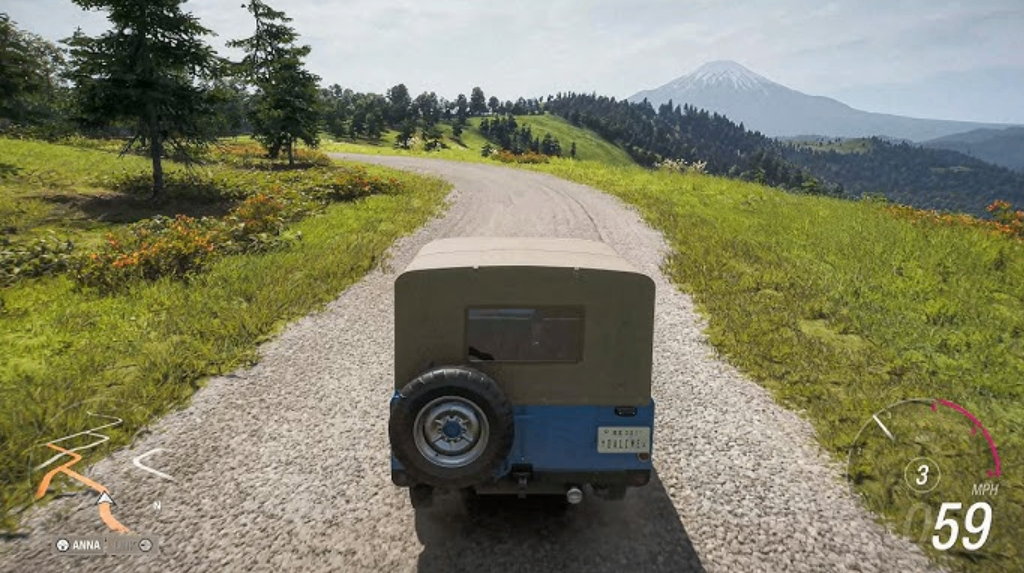
One of the Patrol's clearest strengths is its extensive list of engine swaps. Roughly ten different powerplants are available, ranging from an RB26 turbo rally unit to various V8s (including diesel and high-output racing versions), a twin-turbo V6 drawn from the GT-R family, a 2JZ, and even a high-revving V10. These swaps unlock serious power, with some builds comfortably exceeding 1,000 horsepower.
The car begins with all-wheel drive and can be converted to rear-wheel drive. The stock three-speed transmission feels outdated, so most players will want to install a modern multi-speed unit. Tire choices cover rally, off-road, street, slick, and drift compounds. Brake upgrades and limited weight reduction are also present.
The restrictions become apparent once deeper customization begins. Body modifications are sparse. The front bumper cannot be fully removed or substantially altered, which prevents meaningful aero adjustments. Maximum tire width remains relatively narrow, capping grip potential. Race suspension is unavailable, leaving rally suspension as the highest option. Weight reduction is modest, and even the rear-mounted spare tire cannot be deleted.
These constraints limit how freely the car can be adapted across different event types. Power is easy to obtain, yet converting that power into precise, versatile handling proves more difficult than it should be.
Performance in Cross-Country and Competitive Events
On cross-country routes and rivals leaderboards the upgraded Patrol delivers respectable results. Well-tuned examples can place among the top performers on selected tracks, demonstrating solid stability over jumps and competent behavior in rough terrain. The car feels planted and capable when driven within its intended off-road envelope.
Attempts at sustained drifting expose the primary shortcoming. Without access to drift suspension, maximum steering angle stays limited. The vehicle can slide, but the driver often feels less in full control than with cars that offer greater suspension flexibility. Wheelie maneuvers succeed more readily and provide a light-hearted alternative, yet they do not compensate for the missing handling tools.
Horizon has long encouraged creative and occasionally unrealistic vehicle builds. Expanding suspension options for trucks and SUVs would increase player freedom without necessarily upsetting competitive balance. Restricting those options feels inconsistent with a game that already supports extreme stunts and imaginative event designs.
Customization Freedom and Player Expectations
A recurring discussion around recent Car Pass vehicles centers on the level of freedom players receive for content that requires real-money investment. When a vehicle carries a price, many expect broader upgrade trees and greater driving variety. The Patrol's strong engine selection makes the missing pieces more noticeable. Limited aero, restricted suspension choices, and narrow tire options leave the car feeling incomplete relative to its potential.
Some argue that certain upgrades would be unrealistic. Others counter that Horizon has never treated strict realism as its highest priority. Expanding options typically benefits the whole community by creating more ways to enjoy the same vehicle across different disciplines.
Progression Systems and Building the Garage
Like every entry in the series, advancement in Forza Horizon 6 depends heavily on earning and spending in-game currency. Players complete races, festival playlist challenges, and other activities to collect Forza Horizon 6 Credits. These credits unlock additional cars from the AutoShow, fund expensive upgrade paths, and support ongoing seasonal content.
Players who prefer to accelerate their progress sometimes choose to buy Forza Horizon 6 Credits. A healthy credit balance makes it easier to experiment with multiple tunes on vehicles such as the Patrol or to acquire complementary cars for different race classes. Whether earned through regular play or obtained more quickly, credits remain central to expanding the garage and fully exploring each new addition.
Overall Assessment of the 1972 Nissan Patrol
The 1972 Nissan Patrol is a visually distinctive and historically interesting addition to Forza Horizon 6. Its wide range of engine swaps gives it genuine performance potential, and it handles off-road environments with competence. At the same time, the restricted customization options prevent it from matching the versatility of similar classics from earlier titles.
Car Pass owners will find the vehicle worth trying, particularly if they enjoy period off-roaders or high-power swap experiments. It is unlikely to dominate competitive leaderboards, and players who value maximum tuning freedom may feel the limitations more keenly.
As weekly content continues, the broader hope is that future Car Pass vehicles will offer more complete upgrade paths and greater handling flexibility. Until then the Nissan Patrol remains a solid yet imperfect entry-one that illustrates both the strengths and the current boundaries of post-launch support in Forza Horizon 6.