









Summary:
After the All-Star content update, are you still struggling to win with a lineup full of 99-rated players? Why do some players dominate Ranked games by controlling the pace and creating scoring chances? The best MLB The Show 26 strategy is not just collecting top cards, but building a system around lineup balance, pitching choices, bench rotations, and reading opponents-along with reasonable use of MLB The Show 26 Stubs for key upgrades. This guide breaks down the most reliable God Squad strategy for high-level games.
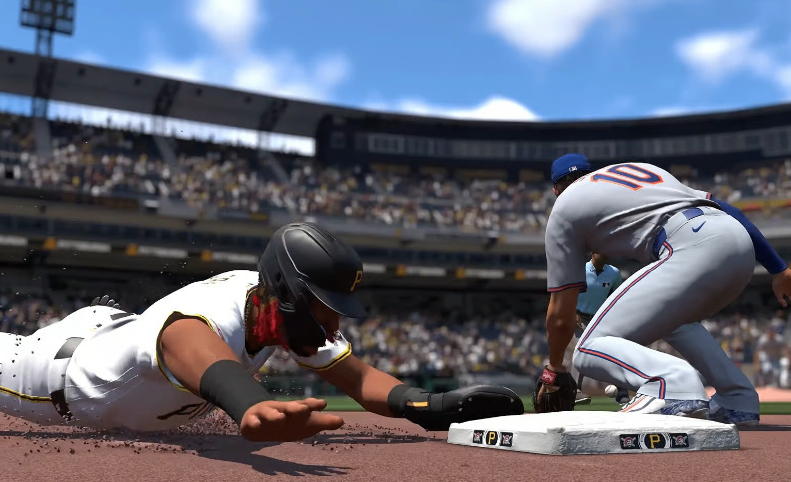
1. Lineup core: More power does not always mean better results
The best lineup is not about filling every position with the highest overall card. Balance and matchup advantages matter more.
Recommended lineup ideas:
Marte: A reliable leadoff hitter with strong on-base ability.
Boxton: Excellent speed and defense, creating early pressure.
Vmart: A major offensive weapon with strong clutch hitting.
Yordan Alvarez: A power-focused DH who can change games with one swing.
Purdomo and Miguel Cabrera: Provide consistent middle-order production.
Ozzie Albies, Rutman, and Adley: Add defense, flexibility, and late-order threats.
The goal is to maintain a balanced lineup with both left and right hitters, making it harder for opponents to exploit weaknesses.
Best for:Players looking to improve Ranked performance with a more consistent offense.
2. Bench rotation: Elite players win games after the seventh inning
In high-level matches, bench players are not just backups. They are tools that can completely change the matchup.
Recommended options:
Willie Castro: Useful against right-handed pitchers.
Carlos Santana: Adds extra infield power.
Tulowitzki / Pujols: Flexible options depending on the opposing pitcher.
Making adjustments based on pitcher type is often more effective than using the same starting lineup every game.
Key takeaway:Smart substitutions can remove the opponent’s pitching advantage.
Best for:Players who enjoy competitive games and want more control in close matches.
3. Pitching setup: Starters control the game, bullpens secure the win
Recommended starting pitchers:
Ranger Suarez: Extremely reliable, even on higher difficulties.
Justin Verlander: Strong four-seam fastball pressure.
Nolan Ryan: A pure power pitcher with elite velocity.
The Miz: A balanced and dependable option.
Bullpen priorities:
Aaron Ashby: Creates problems with unusual pitch movement.
Aroldis Chapman: Still one of the best high-velocity relievers.
Mason Miller: Dangerous Outlier fastball and sinker combination.
Matt Strahm: Uses speed differences and movement to disrupt hitters.
Key takeaway:Starting pitchers set the tone, but the bullpen decides whether you can close out the win.
Best for:Players trying to become more consistent on Legend difficulty.
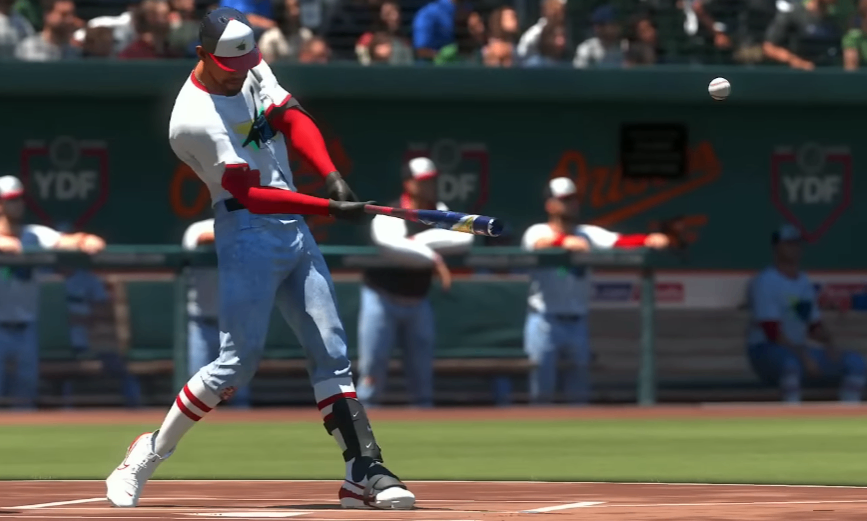
4. Gameplay tips: Winning is about reading opponents, not just card strength
On offense:
Do not chase every pitch. Learn your opponent’s mistakes.
Stay patient against pitchers with poor control.
Attack when the opponent starts losing confidence.
On defense:
Against pull hitters, use more outside corner pitches.
Against players who chase low pitches, rely on breaking balls.
Important pitch combinations:
Outside changeups
Low curveballs
Inside fastballs
Changing timing and location constantly makes your pitches harder to predict.
Key takeaway:Game awareness and adjustments often matter more than overall ratings.
5. Why this God Squad fits the current meta
This lineup works because it provides:
Balanced left/right hitting matchups.
Strong middle-order scoring potential.
A deep bullpen capable of protecting leads.
The strongest team in MLB The Show 26 is not necessarily the lineup with the most 99-rated cards. It is the team that can adjust to different situations and opponents, with reasonable use of MLB 26 Stubs for sale for smart roster moves.
6. Final summary: How different players benefit from this lineup
Competitive players: Improve Ranked and high-difficulty game performance.
Roster builders: Learn how to create balanced teams instead of chasing ratings.
Pitching-focused players: Build better starter and bullpen combinations.
New players: Understand the current meta faster and improve decision-making.
7. Quick tips
Do not judge players only by overall rating; animations and position fit matter more.
Treat your bench as a comeback tool, not unused space.
Trust bullpen depth in late-game situations.
Watch opponent habits instead of repeating predictable pitching patterns.