Weekend Drop -













Summary:
The new Pipeline content has delivered some of the most exciting cards in MLB The Show 26, with 99 Jesus M, 99 Eli Willits, 99 Gonzalez, and 98 Josiah Hardthornne standing out immediately. This guide breaks down how to use these cards, build around their strengths, choose the right stadium, improve hitting consistency, and get more value from speed, baserunning, and MLB The Show 26 Stubs.
1. Why Jesus M Is a Must-Try Pipeline Card
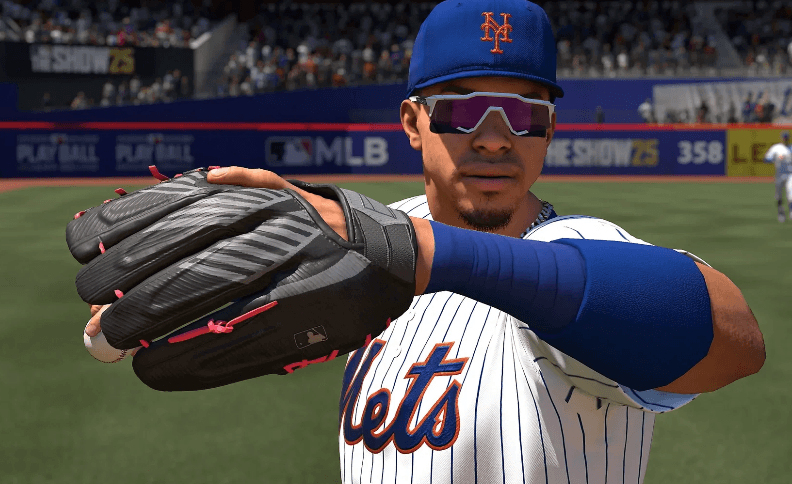
The headline of the new Pipeline collection is 99 Jesus M, and there is a good reason players are already excited about him.
His biggest advantage is versatility. As a switch hitter with five-tool potential, Jesus M can contribute in almost every part of the game.
His profile makes him especially attractive for players who want:
· Strong hitting from both sides of the plate
· Power against different pitching matchups
· Useful speed
· Defensive flexibility
· A premium shortstop option
If you're building a competitive Diamond Dynasty lineup, Jesus M should immediately receive serious consideration for your starting shortstop spot.
2. Eli Willits Could Be the Hidden MVP
While Jesus M gets most of the attention, 99 Eli Willits may be the card that changes how you approach games.
The gameplay experience from the new Pipeline cards suggests that Willits can consistently generate quality at-bats and provide excellent baserunning opportunities.
His biggest value isn't necessarily hitting home runs every at-bat. Instead, he can create pressure through:
· Contact
· Speed
· Base stealing
· Extra-base opportunities
· Consistent plate appearances
If your lineup already contains several power hitters, a player like Willits can provide the speed and contact balance your team needs.
3. Josiah Hardthornne Adds More Speed
98 Josiah Hardthornne is another interesting Pipeline option.
One of the biggest lessons from high-level Diamond Dynasty gameplay is that speed should not be treated as a secondary attribute.
A fast player can change an inning even without hitting a home run.
After reaching base, look for opportunities to:
1. Take an aggressive lead.
2. Watch the pitcher's timing.
3. Identify whether the opponent is using a pitchout.
4. Steal when the situation is favorable.
5. Avoid unnecessary risks when a big hitter is coming up.
A successful stolen base can turn a runner on first into a runner in scoring position without requiring another hit.
4. Don't Ignore Gonzalez
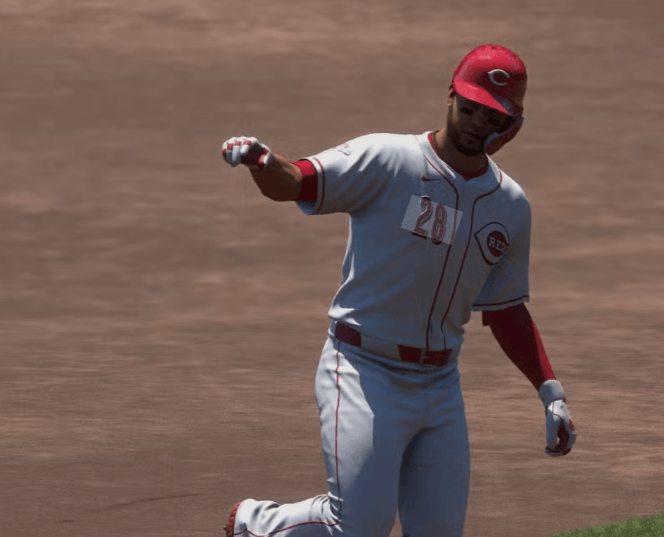
The 99 Gonzalez card deserves attention as part of the new Pipeline group.
Rather than building your lineup exclusively around overall ratings, compare Gonzalez with your current starter at the same position.
Look at:
· Contact
· Power
· Speed
· Fielding
· Arm strength
· Defensive position
· Batting side
A 99 overall card isn't automatically better for every player. Your hitting approach and lineup construction should determine who actually starts.
5. Coors Field Can Change Your Offensive Results
One of the most interesting gameplay observations is the difference between playing at a custom stadium and playing at Coors Field.
Coors can produce a much more offense-friendly environment, particularly for players who consistently make hard contact.
If you're struggling to get rewarded for good swings, test your lineup at a different stadium before assuming your hitting mechanics are the problem.
Track your results over several games rather than judging one match.
Pay attention to:
· Perfect-perfect results
· Average exit velocity
· Home-run distance
· Line-drive frequency
· Warning-track outs
· BABIP-style outcomes
This can help you determine whether your problem is actually your PCI placement or simply the environment you're playing in.
6. Improve Your Perfect-Perfect Results
The gameplay from these Pipeline cards highlights an important principle: good swings need good timing and PCI placement.
Don't chase every pitch simply because a powerful hitter is batting.
Instead:
Wait for your pitch → Track the ball → Center the PCI → Maintain good timing → Drive the ball.
If you're consistently producing hard contact but getting outs, don't immediately change your entire hitting approach.
Review the type of contact you're producing.
A player who constantly hits 100+ MPH line drives is probably much closer to success than someone producing weak contact, even if both players have similar batting averages.
7. Use Speed as an Offensive Weapon
Fast Pipeline players become much more valuable when you actively use their speed.
After reaching base, don't automatically steal every time.
Instead, identify favorable situations.
Good stealing situations:
· One-out situations
· Slow opposing pitchers
· Weak catcher arms
· Strong hitter at the plate
· Opponent isn't expecting a steal
Bad stealing situations:
· Two outs with a power hitter behind you
· Extremely quick pitcher deliveries
· Obvious pitchout situations
· Close games where one baserunning mistake could end the inning
Smart aggression is much better than simply pressing the steal button whenever you have a fast player.
8. Don't Let Stadium Choice Hide Your Problems
If you suddenly hit much better at Coors Field, that doesn't necessarily mean your previous stadium is broken.
Different stadium environments can influence how players perceive offensive outcomes.
The best solution is to test.
Play several games using the same lineup and compare your results across different stadiums.
If your perfect swings consistently produce stronger outcomes at one location, you may have found a better environment for your particular hitting style.
For competitive players, consistency is more important than chasing one unusually high-scoring game.
9. Build Your Lineup Around Complementary Skills
Don't simply put your highest-overall cards into the lineup.
A strong lineup should have different offensive profiles.
For example:
Top of lineup: Speed + contact
Middle: Switch hitters + power
Cleanup: Elite power
Lower lineup: Contact + defensive flexibility
Jesus M fits especially well into a lineup that already has power because his switch-hitting ability can create matchup advantages.
Eli Willits and Josiah Hardthornne can provide additional speed and pressure.
This creates a lineup that can score through both home runs and small-ball situations.
10. Protect Your Pitching Energy
The gameplay also highlights how important pitcher management remains.
If a pitcher is dominating, it can be tempting to leave him on the mound indefinitely.
Don't forget to monitor:
· Energy
· Pitch confidence
· Opponent's recent contact
· Pitch count
· Upcoming hitters
A starter can suddenly become vulnerable after losing energy, especially against a lineup packed with elite hitters.
If you have a comfortable lead, protecting your bullpen and managing pitcher stamina can be more valuable than chasing unnecessary strikeouts.
11. How to Test New Pipeline Cards
Don't judge a new card after one bad game.
A player can go hitless in his debut and still be an excellent card.
Use at least several games to evaluate:
· Swing timing
· Batting stance
· PCI feel
· Power
· Contact consistency
· Speed
· Defensive animations
Most importantly, determine whether you can hit with the card.
A theoretically elite card isn't useful if its swing doesn't fit your personal timing.
Final Verdict
The new MLB The Show 26 Pipeline content gives Diamond Dynasty players several cards worth testing, but Jesus M is clearly the headline attraction. His switch-hitting ability, five-tool profile, and shortstop eligibility make him an especially valuable addition to competitive lineups.
Eli Willits, Gonzalez, and Josiah Hardthornne provide additional options for players looking to improve contact, speed, defense, and lineup flexibility.
For the best results, don't focus exclusively on overall ratings. Test the cards, use speed intelligently, monitor pitcher energy, and experiment with stadiums such as Coors Field if you're struggling to turn hard contact into results.
The biggest takeaway is simple: build around the way you actually play. If Jesus M fits your swing, Willits creates baserunning pressure, and your stadium produces consistent hard-contact results, these Pipeline cards can become the foundation of a much stronger Diamond Dynasty lineup, while buy MLB The Show 26 Stubs can be considered when you need additional resources to strengthen your team.