Weekend Drop -












Summary
NBA 2K26 MT is valuable, but even unlimited resources won't guarantee a successful rebuild if every roster move lacks a clear plan. Rebuilding the Boston Celtics in NBA 2K26 requires balancing short-term competitiveness with long-term flexibility, making smart trades, developing young talent, and managing the salary cap. This guide follows the complete rebuilding process step by step, helping you create a roster capable of competing for another championship without sacrificing the franchise's future.
Why Rebuild the Boston Celtics?
The Boston Celtics begin with a talented core, but maintaining championship contention over multiple seasons is challenging.
Large contracts, aging veterans, and future draft planning all require careful management. Before making your first move, ask yourself:
Are you rebuilding for immediate success or sustained contention?
Which players should become your long-term foundation?
Which contracts limit future flexibility?
Having clear answers before entering the offseason prevents unnecessary roster changes later.
Step 1 – Evaluate the Current Roster
Before making trades, understand what your roster already offers.
Identify your franchise cornerstones and separate them from players who may become trade assets.
Focus on:
Core starters
Young players with development potential
Veteran role players
Expiring contracts
Avoid making immediate blockbuster trades simply because they look attractive. Building around a stable foundation usually produces better long-term results.
Step 2 – Build a Clear Trade Strategy
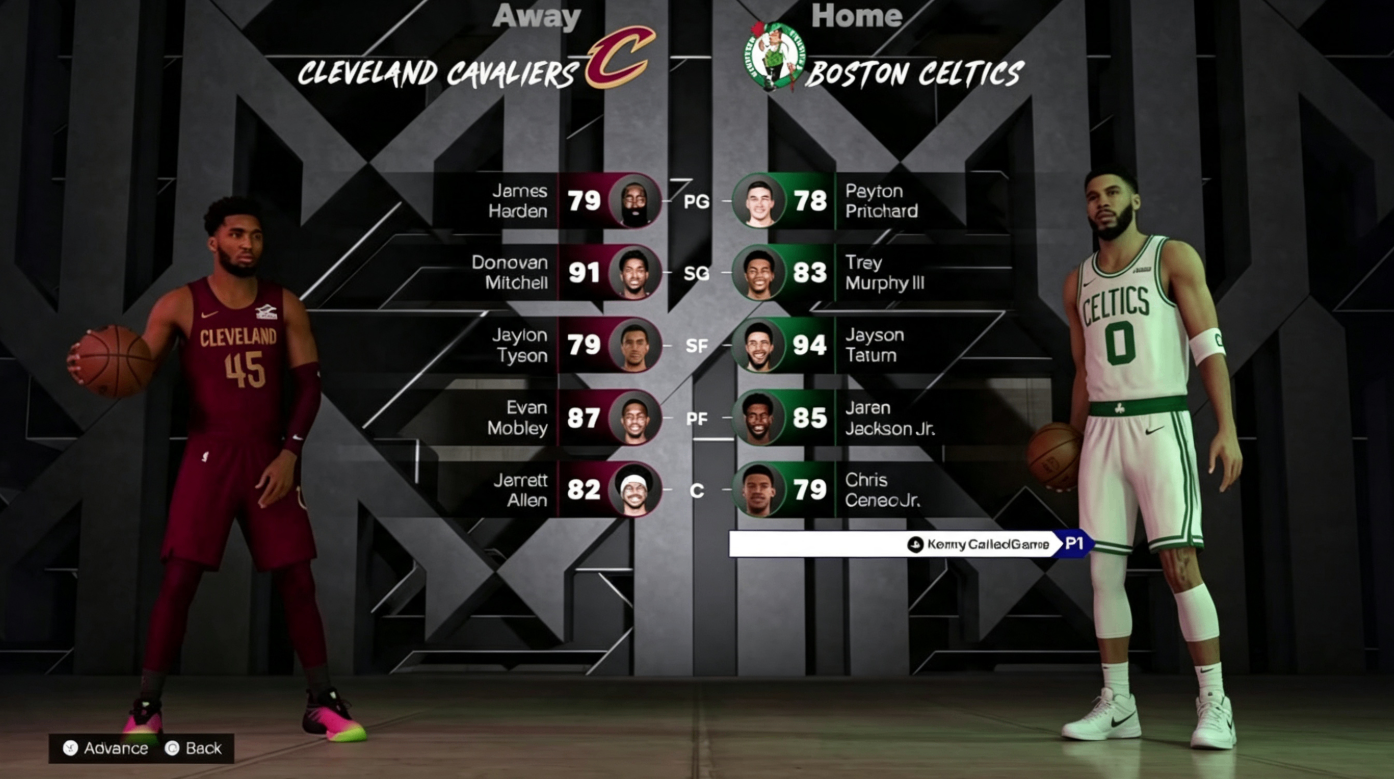
Once you've identified your core, evaluate every trade through the lens of team balance.
Instead of chasing the highest overall player, target pieces that complement your existing lineup.
When reviewing offers, ask yourself:
Does this improve both offense and defense?
Will this player still fit two or three seasons from now?
Is the incoming contract manageable?
Patience often creates better opportunities than accepting the first available deal.
Step 3 – Prioritize Player Development
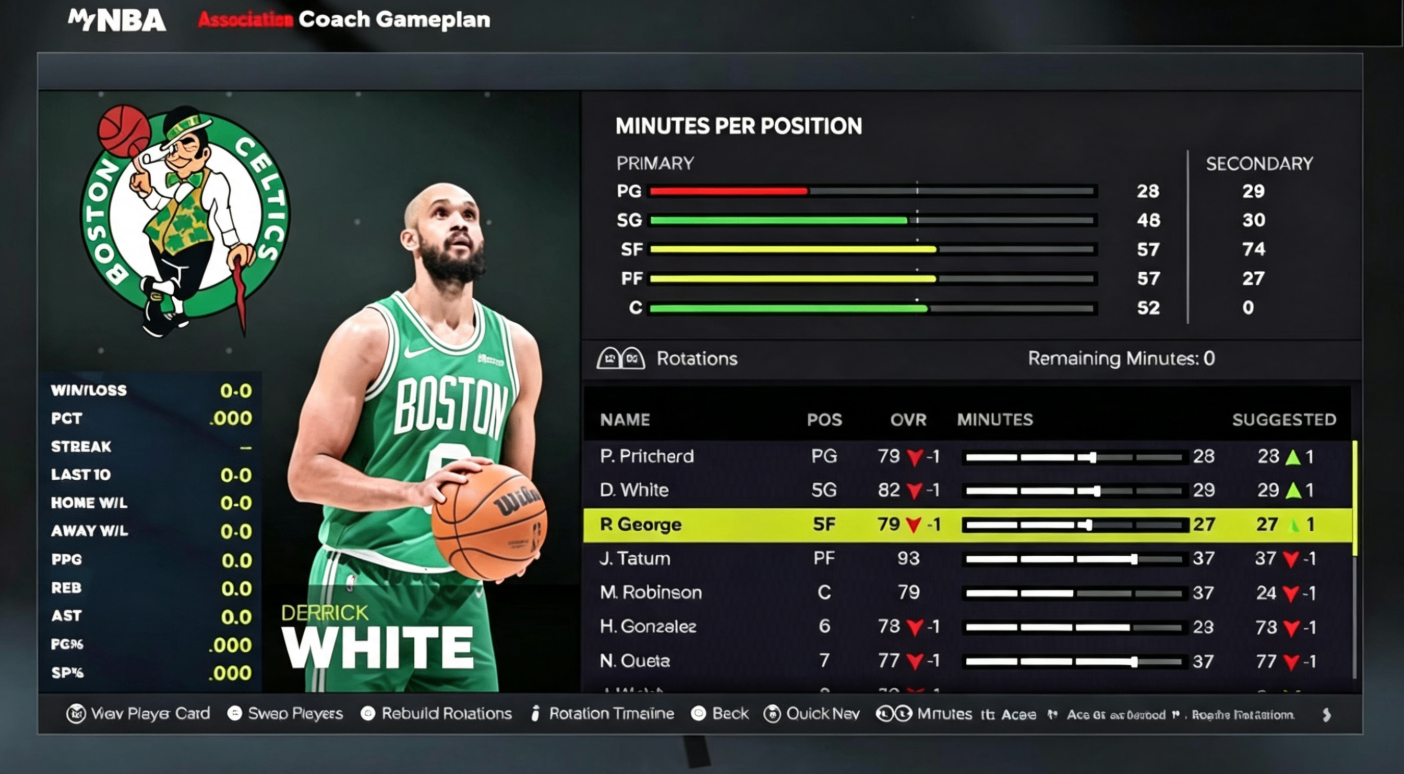
Winning consistently depends on improving the players already on your roster.
Give younger players regular minutes throughout the season and focus training on their primary strengths rather than trying to improve every attribute at once.
As players develop, review their progress periodically and adjust rotations accordingly.
Small improvements accumulated over an entire season often become the difference during the playoffs.
Step 4 – Strengthen the Bench
Championship teams rely on more than five starters.
Build a second unit that can maintain momentum when your stars rest.
Look for players who provide:
Reliable perimeter shooting
Interior defense
Rebounding
Positional versatility
A balanced bench reduces fatigue while giving you more tactical options during close games.
Step 5 – Manage Contracts and Future Assets
Successful rebuilds extend beyond one season.
Before offering extensions or signing free agents, evaluate how each move affects future salary flexibility.
At the same time:
Monitor expiring contracts.
Protect valuable draft picks.
Avoid overpaying for short-term upgrades.
Keep room for future roster improvements.
Maintaining flexibility allows you to respond when better opportunities become available.
Step 6 – Adjust Throughout the Season
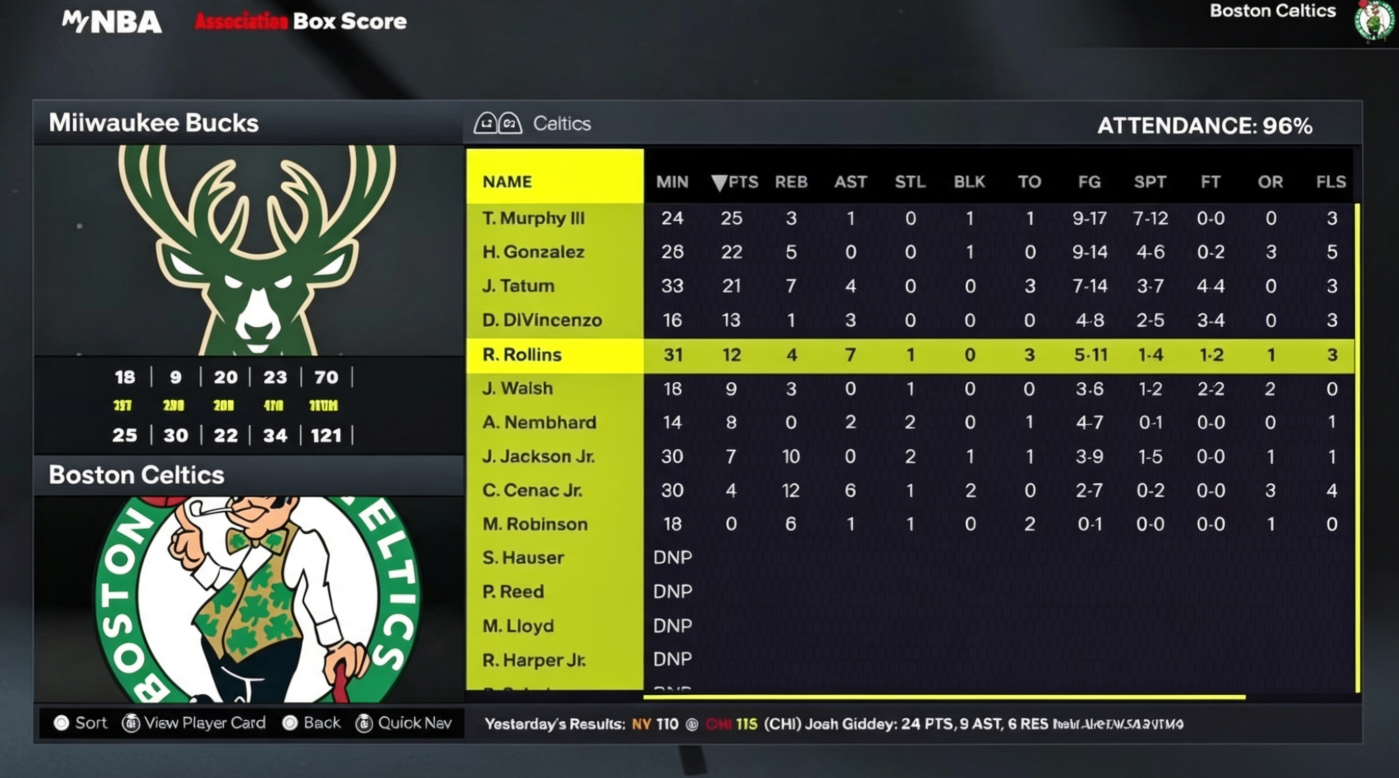
A rebuild should continue after opening night.
Regularly review:
Team chemistry
Rotation performance
Player development
Injury situations
Trade opportunities
If one approach stops working, don't hesitate to make measured adjustments rather than waiting until the offseason.
Consistent evaluation keeps your rebuild moving in the right direction.
Correct Method
Build around your long-term core before making major trades.
Develop young players through consistent playing time.
Improve roster depth instead of focusing only on star power.
Manage contracts with future flexibility in mind.
Reassess your roster throughout the season.
Incorrect Method
Trade key players without a long-term strategy.
Prioritize overall ratings over roster fit.
Ignore bench production.
Commit to expensive contracts too early.
Expect a championship after only one major transaction.
Key Takeaways
Establish a clear rebuilding plan before making roster changes.
Evaluate every trade based on both current performance and future value.
Prioritize player development alongside roster upgrades.
Build reliable depth to support your starting lineup.
Protect salary flexibility and future draft assets.
Continue adjusting your strategy as the season progresses.
Conclusion
Rebuilding the Boston Celtics in NBA 2K26 is less about making one blockbuster move and more about making consistent, well-planned decisions over multiple seasons. By evaluating your roster carefully, improving player development, strengthening the bench, and protecting future flexibility, you can build a team capable of sustained championship contention. Whether you're playing through MyNBA for a single season or planning a long-term franchise, following these steps will help you maximize every roster decision and make smarter use of your resources. Players looking to accelerate their team-building goals may also choose to Buy MT NBA 2K26.