






Summary
This guide details a complete Path of Exile zero-to-mirror crafting journey completed in under 40 hours of playtime in 2026 current league content. It documents the full process of building a mirror-tier spirit stacker body armor, high-risk divine gambling with Ventor’s Gamble and Snakepit rings, and endgame Loreweave crafting. The article breaks down core crafting costs, rare mod weighting challenges, common brick scenarios, profitable recipe setups, and critical player lessons for replicating or avoiding this volatile endgame crafting strategy, including how efficiently managing POE2 Currency can affect overall crafting progression.
Zero-To-Mirror Core Progression Overview
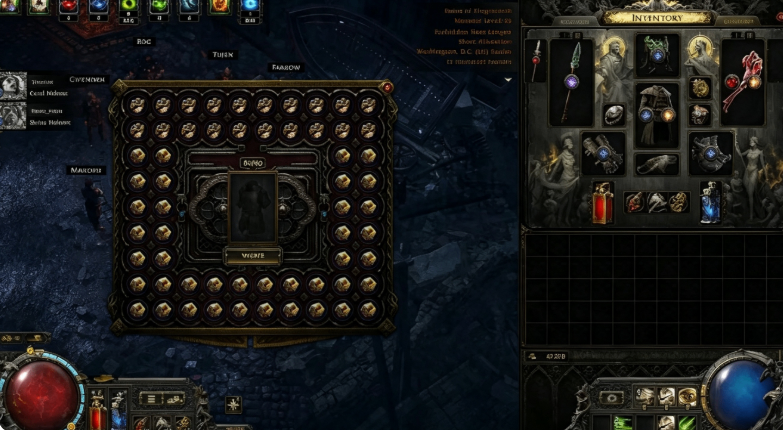
The zero-to-mirror challenge focuses on crafting a perfect spirit stacker body armor, one of the most sought-after endgame items for mana stacking builds in PoE’s current meta. Unlike generic currency farming, this method relies entirely on targeted high-tier crafting rather than raw map farming.
The entire mirror-tier item and currency stack was accumulated in roughly 38 hours of active gameplay, showcasing the viability of focused crafting over traditional league mechanics. The core goal was creating a near-perfect spirit hybrid resistance armor with max-tier spirit percentage, mana rolls, and rare hybrid defensive affixes.
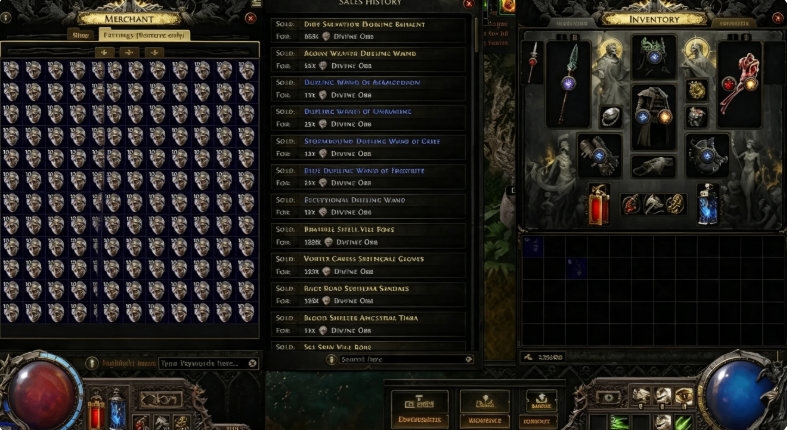
This journey highlights PoE’s extreme crafting volatility: earning a mirror-level item took dozens of hours, while subsequent gambling losses erased nearly all profits in under an hour.
High-Tier Spirit Armor Crafting Breakdown
The flagship craft centers on a spirit stacking body armor with ultra-low weighting desirable mods, making perfect rolls exponentially difficult to achieve. Key target modifiers include tier 1/tier 2 spirit percentage, max roll lightning resistance, hybrid elemental resistances, and 12% spirit reservation efficiency.
Crafting this armor required massive divine investment, totaling approximately 1,500 to 2,000 divines across multiple phases. Fracturing the vital tier 1 spirit mod alone cost over 400 divines with repeated failed attempts, due to the modifier’s extremely low spawn weighting.
Players faced consistent brick scenarios, including unwanted thorns modifiers, life regeneration rolls, and low-tier resistance affixes that ruined near-perfect bases. Multiple 50/50 crafting decisions and risky chaos re-rolls were required to bypass garbage defensive mods.
After hours of iterative rolling, the final armor achieved near-mirror tier stats with stacked elemental resistances, max spirit values, and functional reservation efficiency. Despite minor tier 4 secondary resistance compromises, the item retained endgame viability and mirror-level trade value.
Ventor’s & Snakepit Ring Gambling Analysis
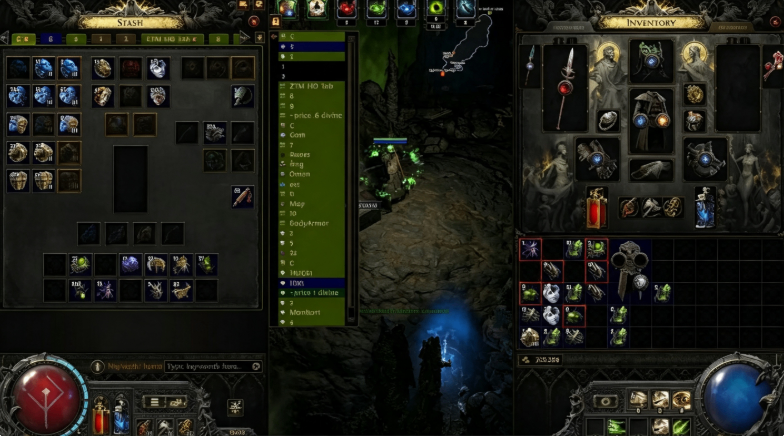
Post-craft profit attempts focused on high-risk ring gambling using bulk Ventor’s Gamble and Snakepit ring sets, a popular but volatile endgame currency strategy. The setup required purchasing two quad tabs of Ventor’s Gamble rings and one quad tab of Snakepit rings, costing roughly 1,200 divines total.
Gambling results were heavily negative overall. Initial rare modifier rolls only recovered around 400 divines, creating an immediate 800 divine deficit. Most ring rolls produced low-value generic affixes, with minimal high-tier unique modifiers or rare build-defining stats.
This segment proves ring gambling is not a reliable profit strategy. Consistent brick rolls and low high-value mod weighting make bulk ring crafting a net loss for most players, even with massive inventory investment.