Weekend Drop -











If you've ever dreamed of commanding a pirate ship, navigating dangerous waters, and engaging in epic naval battles, Skull and Bones offers an immersive experience that brings the golden age of piracy to life. Developed by Ubisoft, the game combines open-world exploration, tactical naval combat, and multiplayer competition, challenging players to become the most notorious pirate on the seas. For newcomers, however, the variety of gameplay mechanics, ship options, and combat strategies can be overwhelming. This guide will walk beginners through everything they need to know to survive, thrive, and dominate in Skull and Bones.
Understanding the Basics
At its core, Skull and Bones revolves around controlling a pirate ship, exploring vast oceans, gathering resources, and engaging in both player-versus-environment and player-versus-player combat. Unlike traditional pirate games, this title emphasizes strategic decision-making, tactical combat, and careful resource management. Success is rarely about brute force alone; positioning, timing, and preparation are equally critical.
The game world features sprawling seas, dotted with islands, ports, enemy ships, and hidden treasures. Players are encouraged to explore, complete missions, and engage in battles with both AI-controlled ships and real-life players. Every decision, from ship selection to combat tactics, affects survival and progression.
Choosing Your First Ship
Selecting the right ship is one of the first decisions new players face, and it sets the tone for early gameplay. Skull and Bones offers multiple ship classes, each suited for different strategies. Smaller, faster ships, such as sloops and brigs, are ideal for maneuvering, evading attacks, and hit-and-run tactics. Larger ships, such as galleons, are slower but heavily armed and armored, making them effective in prolonged battles and group encounters.
For beginners, it's often best to start with a medium-sized ship like a brig. Brigs offer a balance between speed, firepower, and durability, allowing players to engage in combat without being easily overwhelmed. Starting with a smaller, more maneuverable ship also helps players learn the mechanics of naval combat before progressing to larger, more complex vessels.
Mastering Naval Combat
Naval combat in Skull and Bones is a combination of positioning, resource management, and timing. Failing to consider these elements can turn a seemingly winnable battle into a devastating loss. Understanding the combat mechanics is essential for beginners.
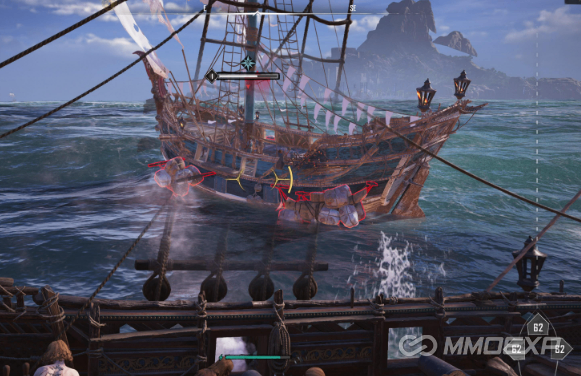
Positioning plays a key role. Flanking an enemy ship or attacking from angles that expose weaker parts of their hull increases damage output and reduces the risk of retaliation. Broadside attacks, where multiple cannons fire simultaneously, can deal significant damage if timed correctly.
Ship systems also require constant attention. Your crew is responsible for reloading cannons, repairing hull damage, and operating special weapons. Neglecting repairs during battle can be fatal, as even minor damage can quickly escalate into catastrophic failure.
Ammunition type is another crucial factor. Standard cannonballs are versatile and suitable for most situations. Chain shots are designed to target enemy sails, reducing their maneuverability and making them easier to trap or escape from. Grapeshot, on the other hand, targets enemy crews, which is particularly useful during boarding actions. Understanding when and how to use each type of ammunition is critical to success. You can buy Skull and Bones Items to get more.
Boarding enemy ships can turn the tide of battle. Once an opponent's ship is weakened, boarding allows you to engage in hand-to-hand combat, steal cargo, and gain valuable resources. Timing is essential; boarding too early or without adequate crew can result in failure and heavy losses.
Exploration and Resource Management
While combat is central to the game, survival and success also depend heavily on exploration and resource management. The world of Skull and Bones is rich with opportunities for profit, upgrades, and adventure.
Looting islands, shipwrecks, and enemy vessels provides essential resources, including gold, ammunition,Skull and Bones Items, and materials for repairs. However, exploration can be risky. Certain areas may harbor ambushes or powerful AI enemies, so scouting and careful planning are vital.
Customizing Your Ship
Ship customization is a key element of Skull and Bones, allowing players to tailor their vessels to their playstyle. Beginners should focus on three main areas: weapons, hull and sails, and special abilities.
Upgrading weapons increases damage output and improves combat effectiveness. Prioritize enhancements that align with your preferred tactics, whether it's long-range bombardment or close-quarters combat. Hull and sail upgrades improve durability and speed, making it easier to survive battles and maneuver effectively. Special abilities, such as temporary speed boosts or reinforced armor, provide tactical advantages during critical moments in combat.
Aesthetic customization, while not affecting performance, allows players to create a unique identity on the seas. A well-designed ship can intimidate opponents or simply make the game more enjoyable.
Multiplayer Strategies for Beginners
Skull and Bones is heavily multiplayer-focused, with open-world PvP encounters and cooperative missions. Beginners should approach multiplayer interactions cautiously and strategically.
Teamwork is essential in cooperative modes. Coordinating attacks, sharing resources, and supporting allies during combat can make the difference between victory and defeat. Open-world encounters with other players can be unpredictable. Some players may aggressively target newcomers, so learning evasive maneuvers, using terrain for cover, and choosing when to engage or retreat are crucial survival skills.
Forming temporary alliances can help tackle difficult AI enemies, but be prepared for betrayal-pirate life is famously unpredictable. Understanding player behavior, predicting movements, and remaining adaptable are key to thriving in multiplayer scenarios.
Progression and Leveling Up
Progression in Skull and Bones is tied to experience, resource acquisition, and completing missions. Players unlock new ships, weapons, and abilities as they advance. Beginners should focus on completing missions and participating in events to gain experience and valuable rewards.
Rather than rushing for the most powerful ship, invest time in mastering ship control, combat tactics, and resource management. Improving skills and knowledge of the game world often provides greater long-term benefits than simply upgrading equipment. Seasonal events offer unique rewards and opportunities to gain rare Skull and Bones Items that can provide an advantage in both PvE and PvP encounters.
Common Mistakes to Avoid
New players often make avoidable mistakes that hinder their progress. Ignoring resource management is a common error. Running out of cannonballs or failing to repair damage mid-battle can lead to quick defeats. Rushing into combat without evaluating the situation is another frequent pitfall. Patience, positioning, and preparation are more valuable than brute force.
Neglecting exploration is another mistake. The game world is full of hidden treasures, upgrade opportunities, and strategic locations that can give players an advantage. Focusing solely on combat limits growth and resources. Finally, underestimating other players can be costly. Multiplayer encounters are unpredictable, and even experienced players can fall victim to poorly timed attacks or ambushes.
Advanced Tips for Long-Term Success
Once you have mastered the basics, there are several strategies that can help you excel in the game. Using terrain strategically can provide opportunities to ambush enemies or escape from superior opponents. Islands, reefs, and narrow passages can serve as natural defenses or tactical advantages.
Upgrade ships thoughtfully. Prioritize improvements that complement your preferred playstyle rather than simply acquiring the most powerful ship. Observing AI behavior and enemy patterns helps anticipate attacks and plan counter-strategies efficiently.
In player-versus-player combat, engagement should be calculated. Avoid attacking stronger opponents without a clear advantage or tactical plan. Patience, strategic thinking, and adaptability are often more effective than reckless aggression.
Conclusion
Skull and Bones is a captivating mix of tactical naval combat, strategic planning, and open-world exploration. For beginners, success requires learning core gameplay mechanics, managing resources effectively, and adapting to unpredictable environments and opponents. By starting with smaller ships, mastering combat fundamentals, and gradually upgrading your arsenal, you can progress from a novice pirate to a feared legend of the seas.
Remember, in the world of piracy, cunning, patience, and strategy often outweigh sheer firepower. Take time to explore, practice, and learn from each encounter. Over time, the vast oceans of Skull and Bones will become a familiar playground where skill and strategy dictate success.