






Skull and Bones spent around 11 years in development, reportedly cost roughly $200 million, launched at $70, and later appeared in deep discounts near $3. How did a pirate adventure born from Assassin’s Creed IV: Black Flag’s best ideas become one of Ubisoft’s most controversial live-service games? The answer is not just weak reviews or a confused endgame. It is a story of endless redesigns, government-backed studio commitments, full-price expectations, and a game that seemingly had to launch no matter what. For players, the real question is simple: is Skull and Bones worth playing now, or should you sail back to Black Flag?
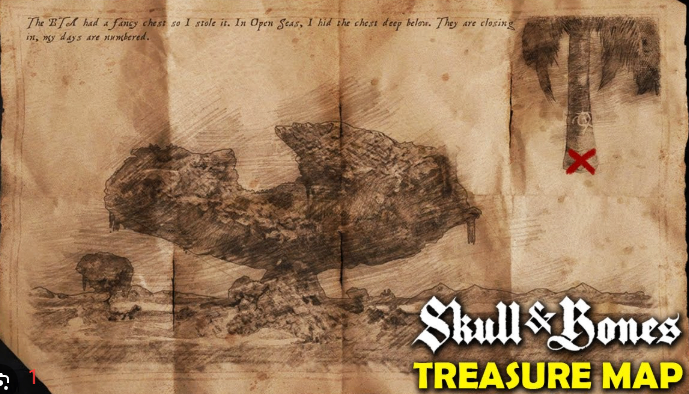
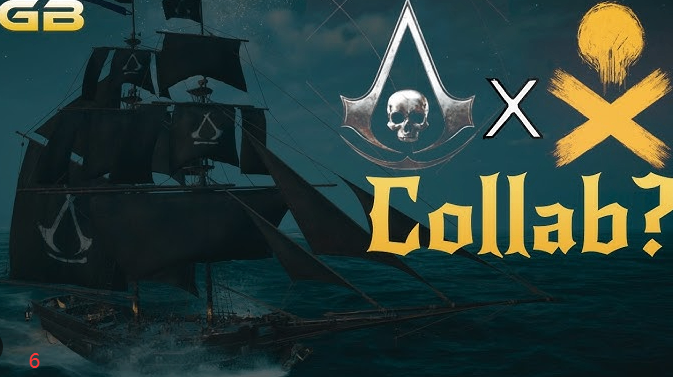
The Original Treasure Map: Players Wanted Black Flag 2
The appeal was never complicated. Assassin’s Creed IV: Black Flag gave players a powerful pirate fantasy: sail freely, fire cannons, chase ships, board enemies, collect loot, and listen to shanties while exploring the sea.
Skull and Bones began as an attempt to build on that magic. Players expected a bigger, deeper pirate experience with improved naval combat, meaningful crew management, dangerous islands, and proper swashbuckling action.
Instead, the project gradually moved away from the fantasy people actually wanted.
Key takeaway: The biggest lesson is that players do not always want a “bigger live-service platform.” Sometimes they want a focused sequel that expands the strongest parts of a beloved game.
The Identity Crisis That Sank the Ship
For years, Skull and Bones could not decide what it wanted to be. Was it a pirate role-playing game? A naval combat simulator? A survival-crafting experience? A multiplayer looter game with ships?
That uncertainty shows in the final design. You command a ship well enough, but you rarely feel like a true pirate captain living in a dangerous world. Boarding is simplified, land exploration is limited, and many activities become loops of collecting materials, waiting for timers, refining resources, and repeating contracts.
The game’s core problem is brutally simple: you play as a boat far more often than you play as a pirate.
Key takeaway: If you want deep hand-to-hand combat, island exploration, memorable characters, and cinematic pirate storytelling, Skull and Bones may feel painfully limited compared with Black Flag.
Why Skull and Bones Was Released Despite the Warning Signs
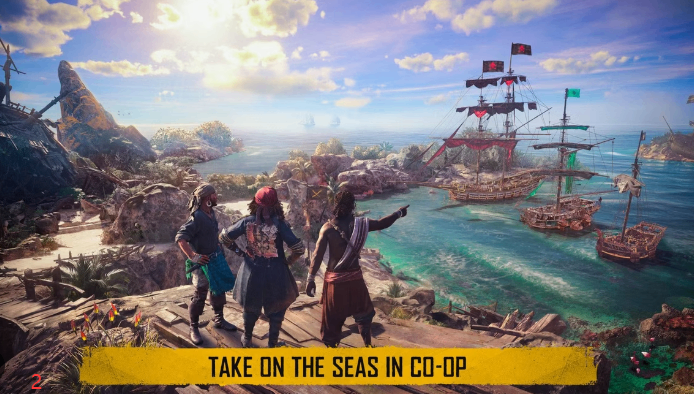
Most long-delayed games eventually face a hard choice: launch, reboot, or cancel. Skull and Bones reportedly survived multiple restarts, leadership changes, genre shifts, and delays that would have ended many other projects.
One major reason may be Ubisoft Singapore’s role. The studio was built with support tied to Singapore’s goal of developing a stronger games industry, and Skull and Bones was positioned as a major original production. Public reporting and later government discussion suggested that supported companies could face consequences, including subsidy clawbacks, if required outcomes were not met.
That makes the launch easier to understand. Shipping an imperfect game may have been financially safer than canceling it after a decade of investment.
Key takeaway: Skull and Bones is useful for players interested in the business side of gaming. It shows how funding agreements, studio obligations, and corporate pressure can shape a game long before it reaches players.
“Quadruple-A” Pricing Meets a Rough Launch
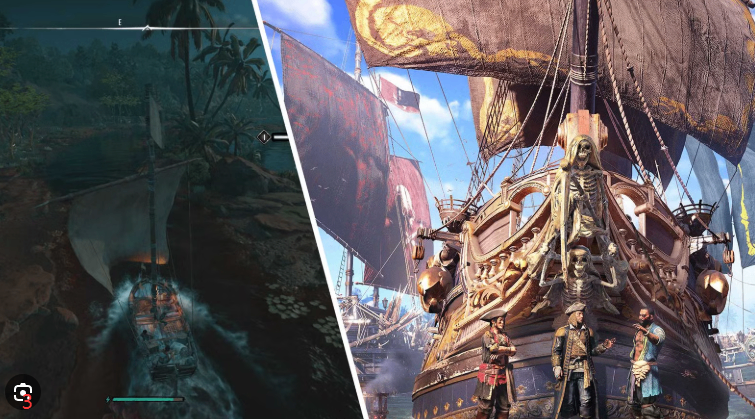
Ubisoft defended the $70 price by calling Skull and Bones a “quadruple-A” game, a label that immediately became gaming’s favorite punchline. Players expected premium quality: a huge world, polished systems, exciting combat, and years of content worth paying for.
The launch response did not match those expectations. Reviews pointed to repetitive missions, a beautiful but underused world, weak progression, and an endgame that often felt like work instead of adventure. The premium price also clashed with battle passes, cosmetics, currencies, and live-service monetization.
The result was a trust problem. A game can survive rough mechanics. It is much harder to survive when players feel the price and marketing promised a different experience.
Key takeaway: Wait for a steep discount if you are curious. At a low price, the naval combat and visuals may offer some casual fun. At full price, the value proposition is much harder to defend.
The Best Way to Play Skull and Bones Without Burning Out
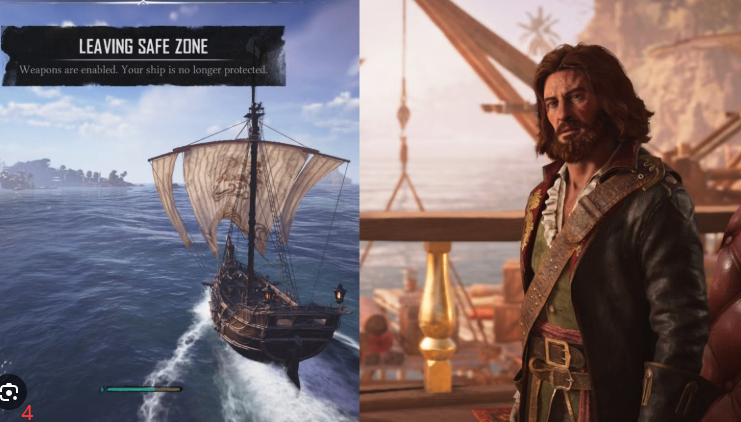
If you decide to jump in, do not treat Skull and Bones like an endless job. Treat it like a short naval-combat sandbox.
Focus on these priorities:
1. Upgrade one main ship instead of spreading resources across every option.
2. Complete activities that reward materials you actively need.
3. Play co-op events for faster progression and more entertaining fights.
4. Avoid chasing every timer, daily task, or battle-pass objective.
5. Set a personal goal, such as building a favorite ship loadout or defeating a difficult sea monster.
The moment you turn every resource loop into a mandatory grind, the game starts feeling like a second shift. Buy Skull and Bones Items at mmoexp, save your sanity, and enjoy the real endgame.
Key takeaway: This approach is best for casual players who enjoy ship combat, co-op sessions, and building powerful loadouts without becoming trapped in daily chores.
What Skull and Bones Still Does Well
Let’s be real: the game is not completely without value. Naval combat has weight, cannon fire feels satisfying, storms can look spectacular, and coordinating with friends against large targets can create flashes of the pirate adventure players hoped for.
The Indian Ocean setting also gives the game a different flavor from the Caribbean pirate stories that dominate the genre. There is potential in its ship customization, PvE events, and open-sea encounters.
But potential is the key word. Skull and Bones often feels like a foundation that never became the complete pirate fantasy it was supposed to be.
Key takeaway: It can be worthwhile for players who specifically want modern online naval battles and do not mind a progression-heavy live-service structure.
Why Black Flag Still Wins the Pirate War
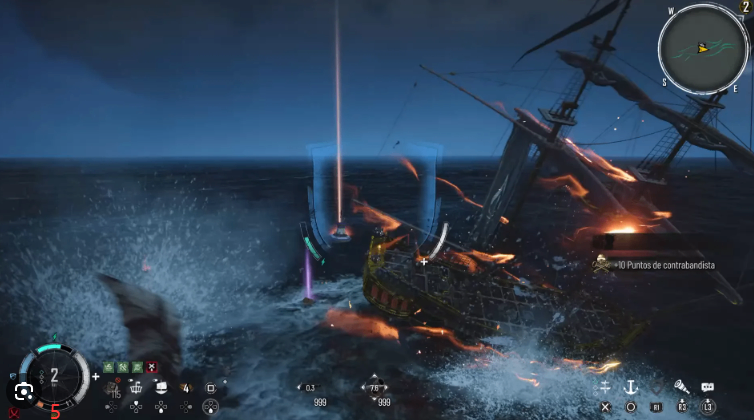
Years after its release, Assassin’s Creed IV: Black Flag remains the comparison Skull and Bones cannot escape. Black Flag made sailing meaningful because it was connected to exploration, assassination missions, memorable characters, treasure hunts, sea battles, and the fantasy of becoming a legendary pirate.
Skull and Bones has more modern online systems, but it strips away much of the adventure surrounding naval combat. It delivers ships, guns, crafting, and loot, yet often misses the human side of piracy: stepping onto an island, fighting a rival crew, stealing treasure, and creating your own story.
That is why many players still return to Black Flag. It offers the complete fantasy, not just the ship-management portion.
Key takeaway: If your priority is a single-player pirate adventure with story, exploration, boarding, and atmosphere, Black Flag remains the stronger choice.
Is Skull and Bones Worth Playing in 2026?
Skull and Bones is worth trying only if you know exactly what you are getting: an online naval combat game with attractive water effects, decent ship battles, repetitive progression, and a much narrower pirate fantasy than its marketing suggested.
It is not the successor to Black Flag many players dreamed of. It is not a must-play live-service game. But at a very low price, with friends, and with realistic expectations, it can provide a few enjoyable evenings on the water.
Do not buy it for the promise of becoming a legendary pirate. Buy it only if you want to experiment with a naval-combat sandbox. Buy cheap Skull and Bones Items at mmoexp, save your sanity, and enjoy the real endgame.
Key takeaway: The best audience is bargain hunters, co-op groups, and players who enjoy ship customization. Story-focused pirate fans should choose Black Flag or wait for a more complete pirate RPG.
Quick Tips Before You Set Sail
- Never pay full price unless you genuinely love live-service naval games.
- Play with friends whenever possible; co-op improves repetitive activities.
- Prioritize ship upgrades and weapon combinations over cosmetic grinding.
- Ignore fear-of-missing-out pressure from timed events and battle passes.
- Set a stopping point. The sea is more fun when it does not become a checklist.
Core Benefits for Different Players
Casual players: Enjoy short sessions of ship combat without committing to every grind.
Co-op players: Find the best value in group events, difficult encounters, and shared progression.
Pirate-game fans: Understand why expectations were high and why Black Flag remains the better complete adventure.
Bargain hunters: Know when Skull and Bones can be worth trying at a heavily discounted price.
Gaming-industry followers: See a clear example of how development chaos, funding pressure, and live-service ambition can shape a major release.