Weekend Drop -














Summary
This article breaks down key changes in Star Citizen Alpha 4.10 PTU. The RSI Polaris gets elevator cargo grid support and a faster deck transit system, though persistent power management bugs plague it and the Idris. Medguns gain extended effective range for safer healing. Mining ships receive partial, flawed gimbal laser functionality, and default jump markers are missing. Players may buy Star Citizen AUEC to speed up in-game resource expansion amid these mixed quality updates.
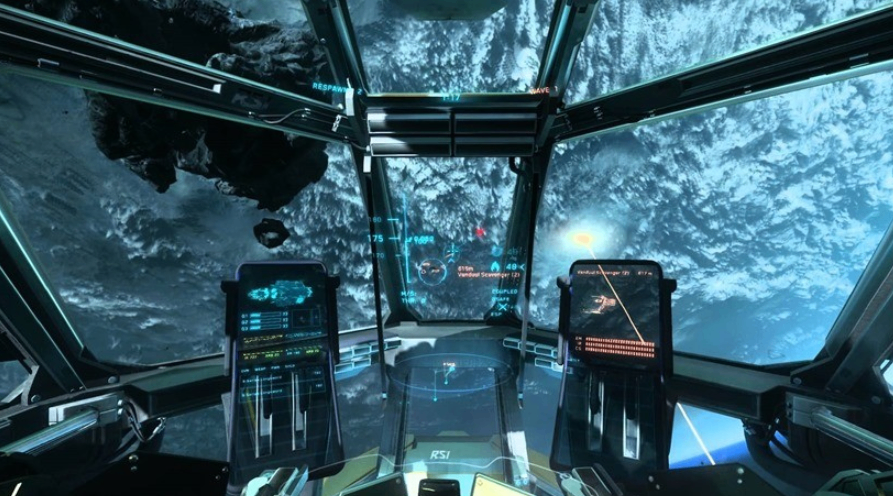
Star Citizen continues its steady march forward with Alpha 4.10 entering the Public Test Universe. While major systems like instancing and the return of Siege of Orison draw much of the attention, smaller but meaningful updates have also arrived. These changes affect everyday gameplay loops involving large capital ships, medical support, and industrial mining. A recent detailed look at the PTU build highlights several practical improvements alongside persistent issues that still need attention.
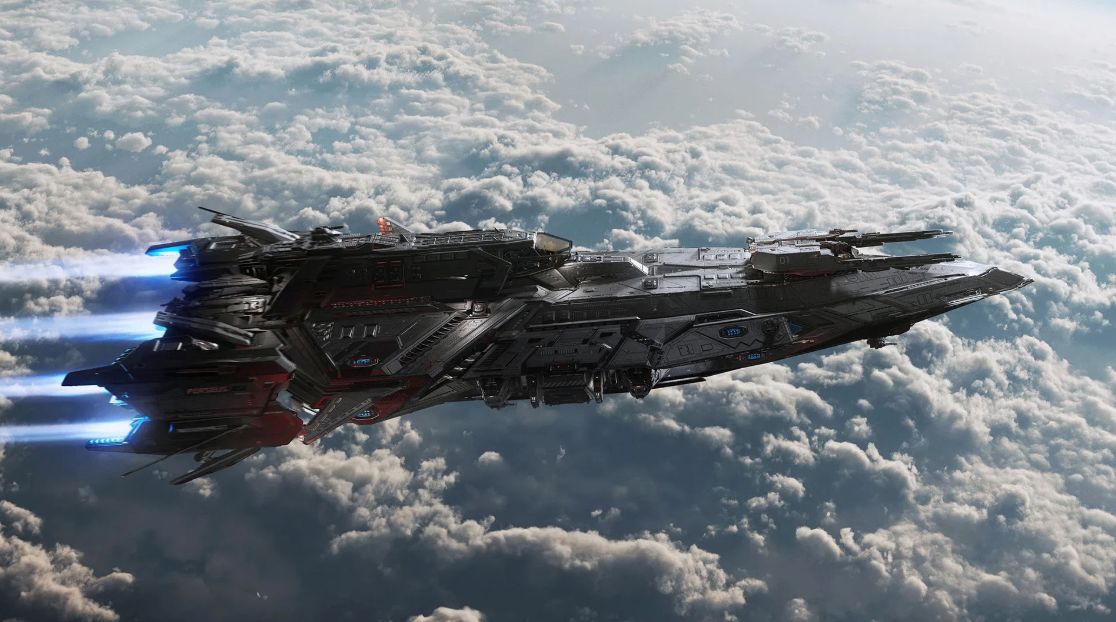
Players who rely on the RSI Polaris will notice the most immediate quality-of-life updates. The ship receives cargo grid support on its elevators and a streamlined transit system that makes moving between decks far more convenient. At the same time, power management bugs remain a frustration, and mining vessels gain partial gimbal functionality that feels incomplete in practice. Medical players benefit from an increased effective range on the medgun. Navigation markers have also changed in a way that could complicate travel for some.
Cargo Grids Arrive on the Polaris Elevators
The Polaris cargo elevators now feature proper cargo grids. Previously, players could place boxes in the elevator areas, but the lack of grids made stacking and secure transport unreliable. In the current build, the elevators marked as cargo hold areas display visible loading zones.
A single elevator can accept an 8 SCU container. Alternatively, players can stack combinations such as four 2 SCU boxes or eight 1 SCU boxes. Testing showed that a second box can sit on top of the first within the white grid outline. However, the system remains imperfect. Boxes sometimes clip through surfaces, and the control buttons can become blocked when containers occupy the platform. This forces players to carefully position cargo or clear space before sending the elevator.
Two elevators exist on the ship, each supporting the same capacity. Once cargo reaches the upper deck, no additional grids appear in that zone, yet the ability to move large containers vertically without manual tractor work still represents a clear improvement. For crews running multi-hop trade or logistics operations, these grids reduce the time spent wrestling with loose freight.
New Transit System Improves Deck-to-Deck Travel
The Polaris also receives the updated transit system already familiar from other large vessels. Elevators now offer direct destination selection instead of relying solely on older hold-F menus. From the main elevator, players can choose cargo bay, hangar, bridge, or engineering decks with a single interaction.
Travel times feel snappier for many routes. Moving from the cargo area to the bridge occurs quickly, while the "exit ship" option remains slightly slower. Engineering elevators list decks clearly: Deck 3 for engineering spaces, Deck 2 for related areas, and Deck 1 corresponding to the bridge level. The system works reliably enough that crews can move between stations without the previous friction of hunting for the correct controls.
These transit improvements matter most during combat or emergency situations. When a ship takes damage or needs rapid crew redistribution, seconds count. The new interface lowers the cognitive load and keeps players focused on the fight or the task at hand.
Power Management Bug Persists on Polaris and Idris
Not every change is positive. The power management interface continues to malfunction on both the Polaris and the Idris. Once the ship is powered on, pilots can remove power from systems but cannot add it back. Weapons and engines often refuse additional allocation.
One temporary workaround involves completely powering the ship down with the U key and then restarting it. This allows a single round of power redistribution. After that adjustment, further increases become impossible again. Another suggested method-unlocking ports, exiting the ship, and removing then reattaching a weapon or point-defense cannon-failed during testing. The bug therefore remains a daily annoyance for capital ship operators who need flexible power profiles depending on combat or travel conditions.
Medgun Effective Range Increased
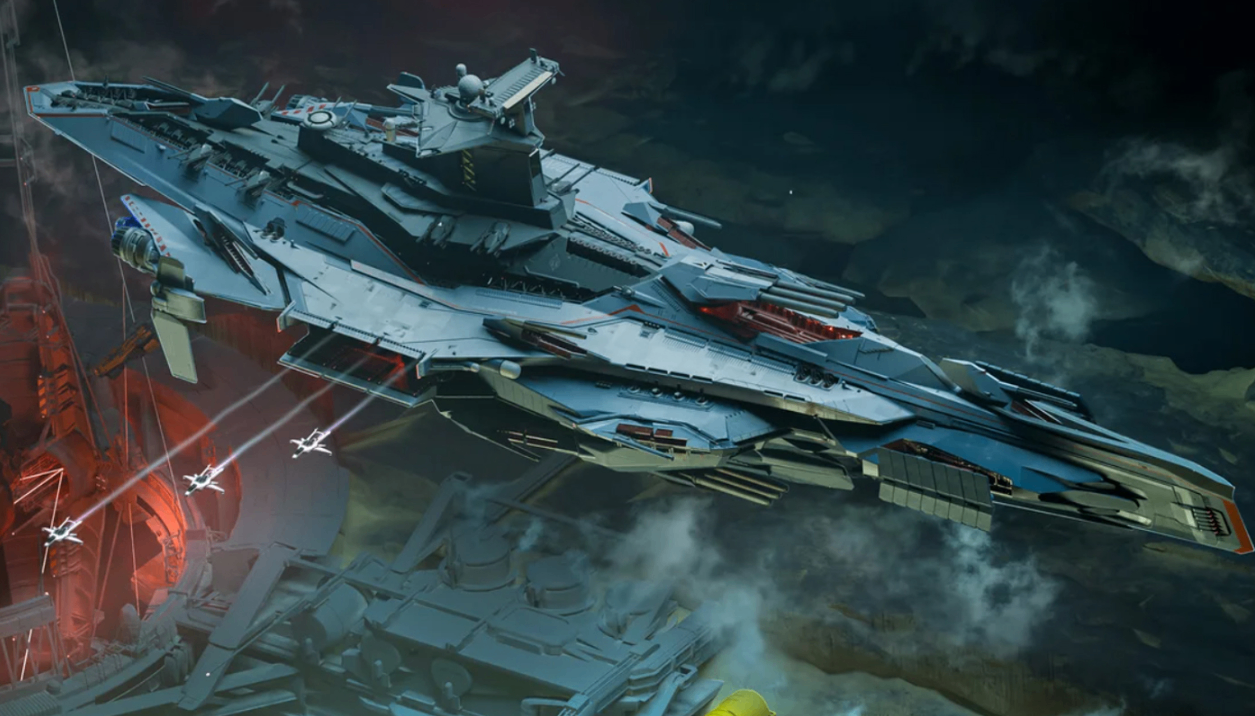
Medical gameplay receives a straightforward but welcome adjustment. The paramedic medical device, commonly called the medgun, now functions at an effective range of 2.5 meters instead of the previous 1.5 meters. In practical terms, medics can stabilize or heal teammates from a slightly safer distance during firefights or when navigating debris-filled interiors.
Field testing confirmed the new distance works as intended. The extra meter provides breathing room when enemies press close or when a downed player lies near environmental hazards. While the change is modest, it improves survivability for both the medic and the patient without altering the core risk-reward balance of the medical profession.
Mining Laser Gimbal Mode Comes Online
Mining ships see mixed results with the latest laser head updates. The Prospector finally gains a working gimbal mode. Pressing G allows the mining laser to pivot independently under mouse or stick control. Earlier patches listed the feature, yet it remained non-functional. The current build activates it properly, and the annoying voice announcements for mode changes have been removed.
The Drake Golem also receives gimbal capability. When landed, the laser responds to input. Once airborne, however, the lack of a ship-position lock makes precise aiming difficult. The vessel drifts with every mouse movement, forcing the pilot to constantly correct. Without a dedicated lock similar to salvage mode, the gimbal proves less useful than simply repositioning the entire ship.
The Argo Mole shows no gimbal behavior. Pressing G produces no change, and any apparent tracking results only from delayed laser beam rendering rather than true independent movement.
Jump Markers Missing and Golem Field Test
A notable navigation issue appears in the current PTU. Standard jump markers no longer display on the starmap or in space by default. Destination names appear only when the crosshair directly targets them. This change risks becoming a major inconvenience during multi-system travel, especially for newer players or those flying without detailed route planning.
A short mining run with the Golem on a quartz deposit illustrated the gimbal limitations in action. Aligning the laser while the ship remained free to drift proved cumbersome. Most pilots will likely prefer traditional ship movement over relying on the incomplete gimbal implementation until a position-hold option arrives.
Looking Ahead for Industrial and Capital Players
Alpha 4.10 continues the pattern of incremental refinements that slowly improve the daily experience. Cargo grids and transit upgrades make the Polaris a more practical multi-role platform. The medgun range increase supports team-based combat more effectively. Mining laser gimbals represent progress even if they still need polish.
At the same time, the power management bug and missing jump markers show that stability work remains unfinished. Players who invest heavily in capital ships or industrial gameplay will want to test these systems thoroughly before the patch reaches the live servers.
Managing resources remains central to every career path in the persistent universe. Whether hauling freight, healing teammates, or extracting minerals, access to sufficient currency often determines how quickly a player can expand operations. Many choose to acquire Star Citizen AUEC through legitimate in-game effort, while others explore options to buy Star Citizen AUEC when time constraints limit grinding.
As testing continues, further balance passes and bug fixes will likely address the remaining rough edges. For now, the PTU offers a clear preview of how large ships and industrial tools are evolving. Captains of the Polaris, medics with improved tools, and miners experimenting with new laser behavior all have reason to log in and evaluate the changes firsthand. The verse keeps expanding, one practical update at a time.