Weekend Drop -











Summary
This article explains Star Citizen's October 1, 2026 pledge-gifting updates. Each account gets a permanent non-meltable primary access pledge, and new pledges must be assigned as gifts at checkout rather than stockpiled for later transfer. These rules curb self-referral exploits and gray-market inventory hoarding, while pre-October pledges stay under old policies. Players earn Star Citizen AUEC via in-game activities, and some choose to buy Star Citizen AUEC externally, though rule revisions restrict related pledge-based loopholes. Unresolved edge-case questions still await official clarification.
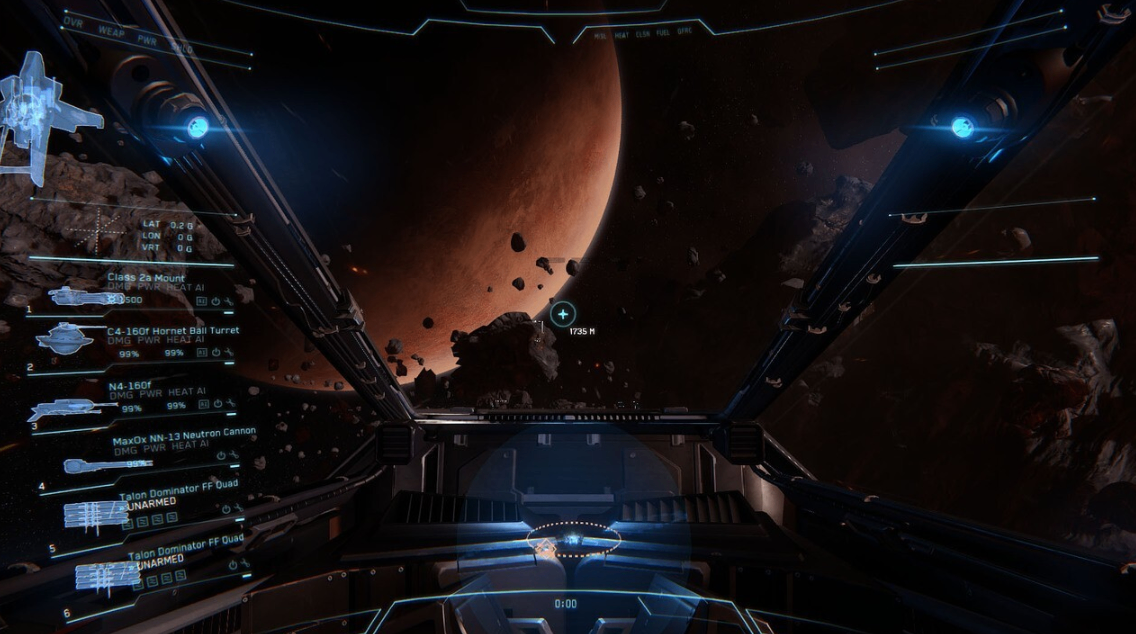
Star Citizen continues to evolve both in its gameplay systems and its underlying account and pledge structure. Cloud Imperium Games has announced significant changes to pledge gifting and game access that take effect on October 1, 2026. These adjustments aim to clarify how accounts handle game packages while tightening rules around gifting. The timing and details have raised questions across the community, particularly among those who rely on secondary markets or complex upgrade chains.
Primary Game Access Pledge Rules
Under the new system, every account will designate one eligible pledge as its primary game access pledge. This becomes the account's non-meltable pledge. If no non-meltable pledge exists, the system selects the oldest pledge instead. Once designated, that primary game access pledge stays permanently linked to the account. It cannot be melted or gifted away.
Ships or vehicles included in that primary pledge can still receive upgrades through Cross-Chassis Upgrades. Additional game packages and duplicate copies continue to function normally and remain giftable when they meet eligibility rules. The change primarily locks one package in place to ensure every account maintains clear, permanent access to the game.
Many existing accounts hold multiple game packages. The announcement does not fully clarify whether players can choose which package becomes the permanent primary one. For accounts that previously relied on temporary or secondary packages, the oldest package may automatically lock. This creates uncertainty for players who carefully manage their pledge history.
How Gifting Will Work After October 1
The most consequential shift involves gifting itself. Starting October 1, 2026, any pledge intended as a gift must be designated as such at the moment of purchase. Players can no longer buy an item, leave it sitting on their account, and gift it later. The process now requires the purchaser to designate the recipient at checkout, and the item moves directly toward that recipient.
A pledge marked as a gift cannot be used by the buyer. It does not sit indefinitely in the purchaser's inventory for later transfer. Once the recipient accepts the gift, they can upgrade it normally with CCUs. The restriction applies only to pledges acquired on or after the October 1 cutoff. Existing inventory remains under the previous rules.
Several practical questions remain unanswered. What happens if a recipient rejects a gift? Does the pledge return to the buyer for personal use, trigger an automatic refund, or require a support ticket? Official communications provide limited clarity on these edge cases. Community discussion continues to press for further answers.
Impact on Self-Referrals and Account Management
Self-referral practices, once relatively common for climbing referral ranks, face new friction. Players previously created secondary accounts, purchased low-cost packages or Warbond CCUs, waited the required period, and gifted items back to a main account. The new primary game access rules and gift-at-purchase requirement make this approach far less practical.
An account now needs a locked primary package that cannot be gifted or melted. Any attempt to self-refer would leave permanent spending on a secondary account. For most players the inconvenience outweighs the benefit. Those who built referral progress through careful self-gifting will need alternative strategies going forward.
Effects on the Gray Market and CCU Chains
The gray market has long allowed players to acquire ships at discounted rates by trading pledges outside official channels. Operators build CCU chains, hold inventory, and sell completed packages through player trading communities. These practices emerged from the flexible melting, gifting, and upgrading systems originally provided.
The October changes reduce flexibility. Buyers can no longer stockpile items for later gifting. Designating gifts at purchase limits inventory strategies that depend on delayed transfers. While existing pre-October pledges remain giftable under old rules, new inventory will follow the stricter process. Over time this should reduce available gray-market stock and may push prices higher as supplies tighten.
CCU application after the change also raises questions. Does upgrading a gifted package alter its giftable status or reset its pledge date? The current wording states that recipients can still upgrade normally, yet it offers little detail on how post-gift CCUs interact with the new designation rules. Clearer documentation would help both casual players and those who construct long upgrade chains.
Timing and Community Reaction
The announcement arrived near the end of a busy period that included patch notes, development updates, roadmap information, and communications from leadership. An initial effective date of October 8 was later adjusted to October 1. That change, combined with other scheduled activities around the same period, prompted speculation about strategic timing.
Some observers link the changes to broader monetization adjustments and the ongoing development of Squadron 42. Others view them simply as an effort to streamline account management and reduce abuse of flexible gifting. Cloud Imperium Games has historically allowed considerable leeway in how players spend and move pledges. These updates begin steering the system toward a more conventional model.
Players who never engaged with gray-market trading or complex self-referrals will notice little disruption. Their primary package simply becomes permanent, and future gifts follow a clearer purchase-time process. Those who built strategies around melting, temporary accounts, or delayed gifting face more significant adjustments.
Looking Ahead for the Player Base
The changes will not eliminate secondary markets overnight. Existing inventory continues under prior rules, and legitimate player-to-player trades of older pledges can still occur. However, the volume of newly available cheap packages is expected to decline. As stock depletes, prices on remaining items may rise. This gradual pressure aligns with previous steps taken, such as limits on certain bundle resales and other inventory controls.
For many players the real focus remains in-game progression. Earning Star Citizen AUEC through contracts, trading, mining, salvage, and other gameplay loops continues to provide the primary path to ships and equipment. Official channels and careful in-game earning remain the most reliable routes for long-term progress. Those seeking cheap Star Citizen AUEC alternatives through external means will find the new gifting rules further discourage workarounds that rely on pledge flexibility.
Community members have already begun discussing potential follow-on changes, including possible adjustments to the buyback system. Whether those materialize remains to be seen. In the meantime, players are encouraged to review their current pledges, identify which package will likely become primary, and plan any remaining gifts before the October 1 cutoff.
The updates represent another step in the long maturation of Star Citizen's account and monetization systems. They close certain loopholes while preserving core upgrade and access features. Clearer answers from the community team on rejection handling, CCU interactions, and account selection would reduce remaining uncertainty. Until then, the practical advice is straightforward: understand the new designation rules, complete any pending gifts under the old system where possible, and continue focusing on the expanding universe inside the game itself.
Fly safe, and stay aware of both the mechanical and account-side changes that continue to shape the experience.