









Summary
This article explains Star Citizen's ship-combat overhaul plans. Short-term tweaks reduce light fighters' time-to-kill while boosting larger vessels' survivability, alongside shield rebalancing. Long-term goals include armor banding, distinct-identity weapons and the Maelstrom physical damage system. Combat adjustments will reshape mission rewards and the in-game economy centered on Star Citizen AUEC. Though official in-game earning is recommended, some players buy Star Citizen AUEC to speed-up their progression amid these coming balance shifts.
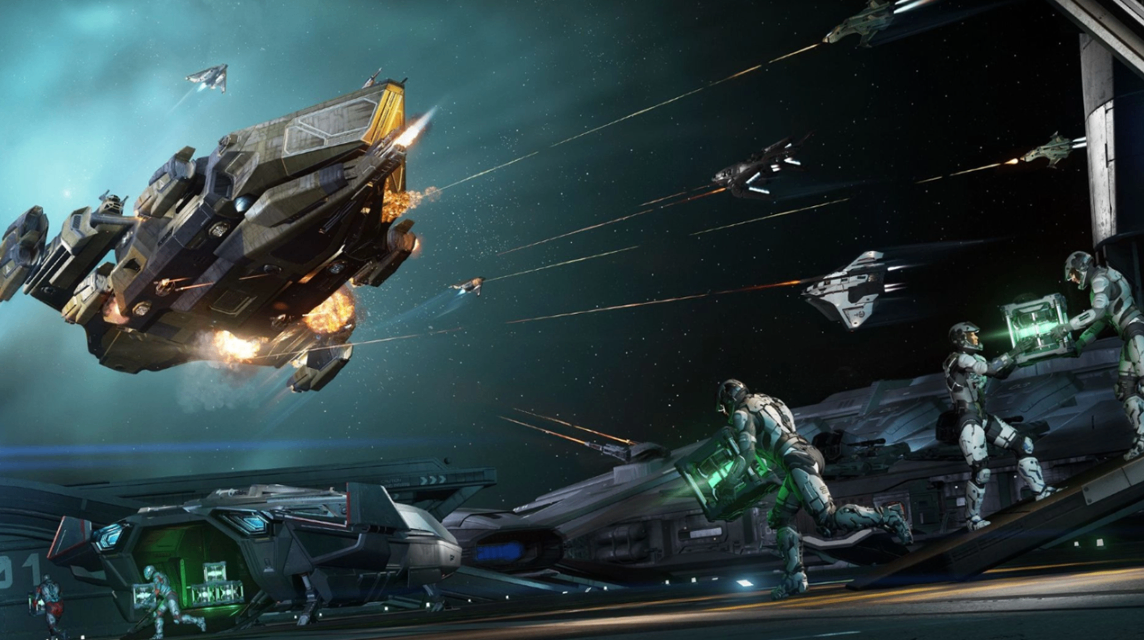
Cloud Imperium Games has openly acknowledged that the current state of ship combat in Star Citizen needs significant improvement. A recent developer response on Reddit outlined both short-term fixes and long-term goals aimed at restoring meaningful engagement in space battles. This article examines those plans, breaks down the key systems involved, and compares how different ship classes may be affected.
Understanding the Current Problems in Ship Combat
Ship combat has drifted into an unsatisfactory state for many players. Prolonged fights, inconsistent balance, and overly easy escapes have reduced the intensity of encounters. Light fighters often trade blows with much larger vessels for extended periods, which undercuts their intended role as agile, hit-and-run craft.
Larger ships, by contrast, sometimes feel too fragile or too durable depending on the specific patch and loadout. Band-aid solutions layered over years of development have created a confusing mix of stats that no longer form a coherent system. Players frequently struggle to predict whether their weapons will penetrate armor or how long a target will remain combat-effective.
Engineering gameplay and wear-and-tear mechanics remain underutilized in the live environment. Without clear feedback on component damage and repair priorities, multi-crew ships lose much of their potential depth. These issues combine to make both PvE and PvP feel less rewarding than they should.
Short-Term Adjustments: Targeting Time to Kill and Balance
Developers plan to lower time to kill specifically for light fighters while keeping time to kill the same or higher for larger ships. This distinction is critical. Light fighters should rely on speed and positioning rather than sustained damage absorption. Once they take serious hits, they need to disengage and seek repairs instead of lingering in a prolonged slugfest.
Larger vessels, especially those with crew members available for damage control, should be able to endure longer engagements. Fires, system failures, and component degradation become more important when a ship can stay in the fight long enough for engineering teams to matter. Wear and tear is something at least one developer would like to see accelerated so that these systems come online sooner.
Shield adjustments form another priority. Changes to shield health, recovery times, recharge rates, and combat recovery windows aim to reduce the "escape simulator" problem that has plagued PvP. Combat should feel decisive without making every fight an inevitable chase. A coherent baseline across ships is preferred over continued piecemeal patches. This approach should create a more sensible foundation before further layers of complexity are added.
These short-term changes are already in internal testing. The team deliberately avoided rushing them into a major patch such as 4.10 so that proper validation can occur. A tech preview or Public Test Universe build is expected once the adjustments are judged ready for broader feedback.
Long-Term Vision: Armor Banding, Weapon Identity, and Maelstrom
Looking further ahead, proper armor banding ranks high on the list. Clearer visual and mechanical feedback will help pilots understand whether their weapons are actually damaging a target. The armor hit marker UI introduced in earlier patches was a useful first step, but more refined systems are still required.
Weapon types need stronger individual identities so that loadout choices carry real weight. Different guns should excel against different defenses rather than converging toward similar performance after successive balance passes. Ship component health values must also be tuned to support meaningful engineering gameplay, including bullet penetration and localized damage.
Maelstrom, the physicalized damage system, is viewed as the most reliable way to test these interactions properly. Arbitrary stat sheets alone cannot capture the full complexity of armor interaction, penetration, and progressive damage. A dedicated tech preview featuring a selection of ships fully converted to Maelstrom would allow thorough community testing before the system expands to the wider fleet.
Economic Considerations and Currency Flow
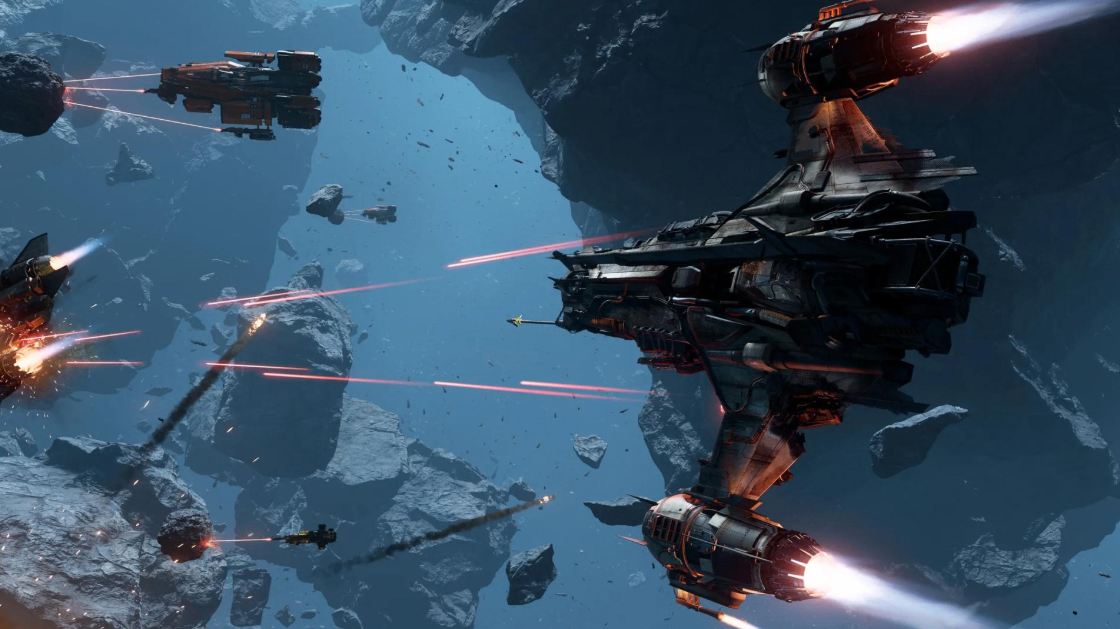
Any reduction in time to kill affects more than player-versus-player matches. NPC ships used in missions would also die faster, shortening completion times and altering payout rates. A sudden shift in credits earned per hour could destabilize the in-game economy and push players toward a new dominant farming strategy.
Careful balancing is therefore essential. Mission rewards, difficulty curves, and overall resource sinks must be reviewed alongside combat changes. In this context, Star Citizen AUEC remains the primary currency that players use to purchase ships, components, weapons, and consumables. Adjustments that change how quickly pilots earn or lose funds will influence everything from daily play loops to long-term progression goals.
Players who want to accelerate their progress sometimes look for ways to buy Star Citizen AUEC through legitimate or third-party channels, though official methods and in-game earning remain the intended path. Any combat overhaul that alters mission efficiency will inevitably affect how quickly new and veteran players accumulate the currency needed for high-end gear.
Comparing Ship Roles Under the Proposed System
Under the short-term framework, light fighters gain a clearer glass-cannon identity. Their lower time to kill rewards skillful flying and precise engagement windows while punishing overconfidence. Medium and heavy fighters occupy a middle ground, trading some agility for better staying power.
Capital and multi-crew ships benefit most from extended time to kill or time to disable. Their size and crew capacity allow engineers to repair critical systems mid-fight, turning battles into multi-phase contests rather than single-exchange explosions. Armor banding will further differentiate these vessels by making certain weapon calibers more or less effective against specific hulls.
Weapon identity improvements should reduce the current tendency for many guns to feel interchangeable. Ballistic, energy, and specialized munitions will hopefully regain distinct roles against different armor and shield configurations. Engineering gameplay will reward coordinated crews who prioritize the right components at the right moments.
Testing Challenges and Player Expectations
Implementing these changes is complicated by the fact that they touch nearly every ship in the game, not only dedicated combat craft. Cargo haulers, explorers, and industrial vessels also participate in defensive encounters. A global adjustment therefore requires broad regression testing.
The developer who responded indicated personal preference for faster movement into public testing. Community involvement through tech previews remains one of the strongest tools available for validating balance. Maelstrom-enabled test environments would provide far more accurate data than traditional stat-sheet comparisons.
Players hope to see iterative feedback loops that refine the systems before full rollout. Clear communication about intended roles for each ship class will help set expectations and reduce frustration during the transition period.
Looking Ahead for Star Citizen Combat
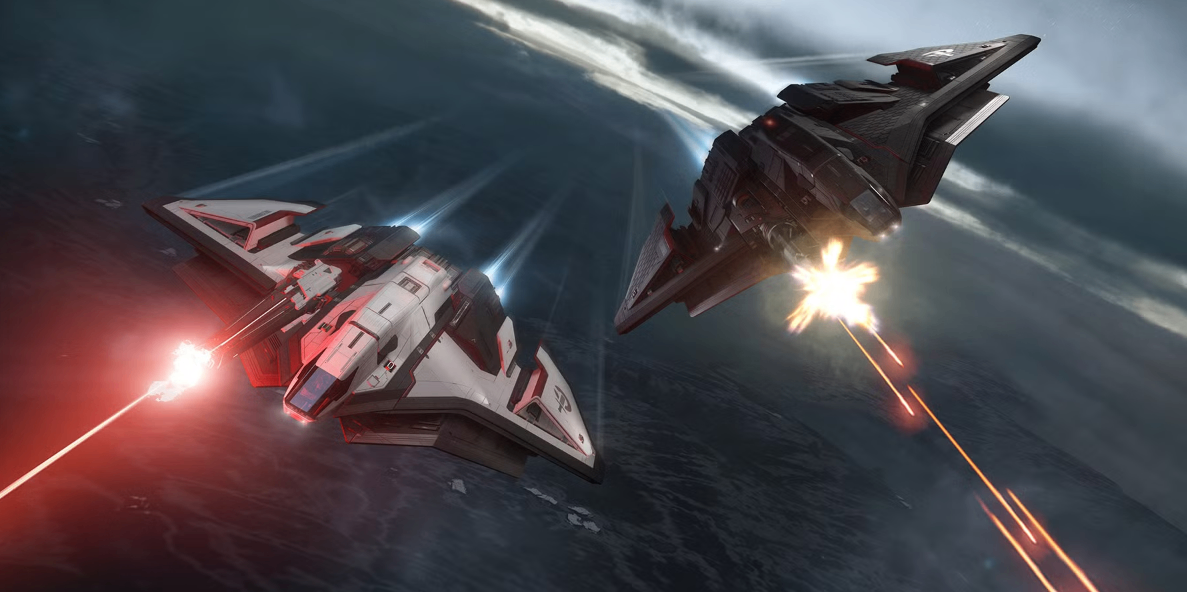
The combination of lower light-fighter time to kill, preserved or increased durability for larger ships, shield refinements, and eventual Maelstrom integration offers a promising direction. Coherent baselines and meaningful weapon choices should restore the sense of tactical depth that many pilots have been missing.
Economy impacts will need ongoing monitoring so that mission rewards and Star Citizen AUEC flow remain healthy. When these systems mature, both solo pilots and organized crews should find combat more engaging, more readable, and more rewarding.
The path forward prioritizes careful testing over rushed deployment. If the short-term adjustments reach the Public Test Universe soon and long-term systems such as proper armor banding follow, Star Citizen ship combat stands a strong chance of reclaiming its intended intensity and strategic richness.