








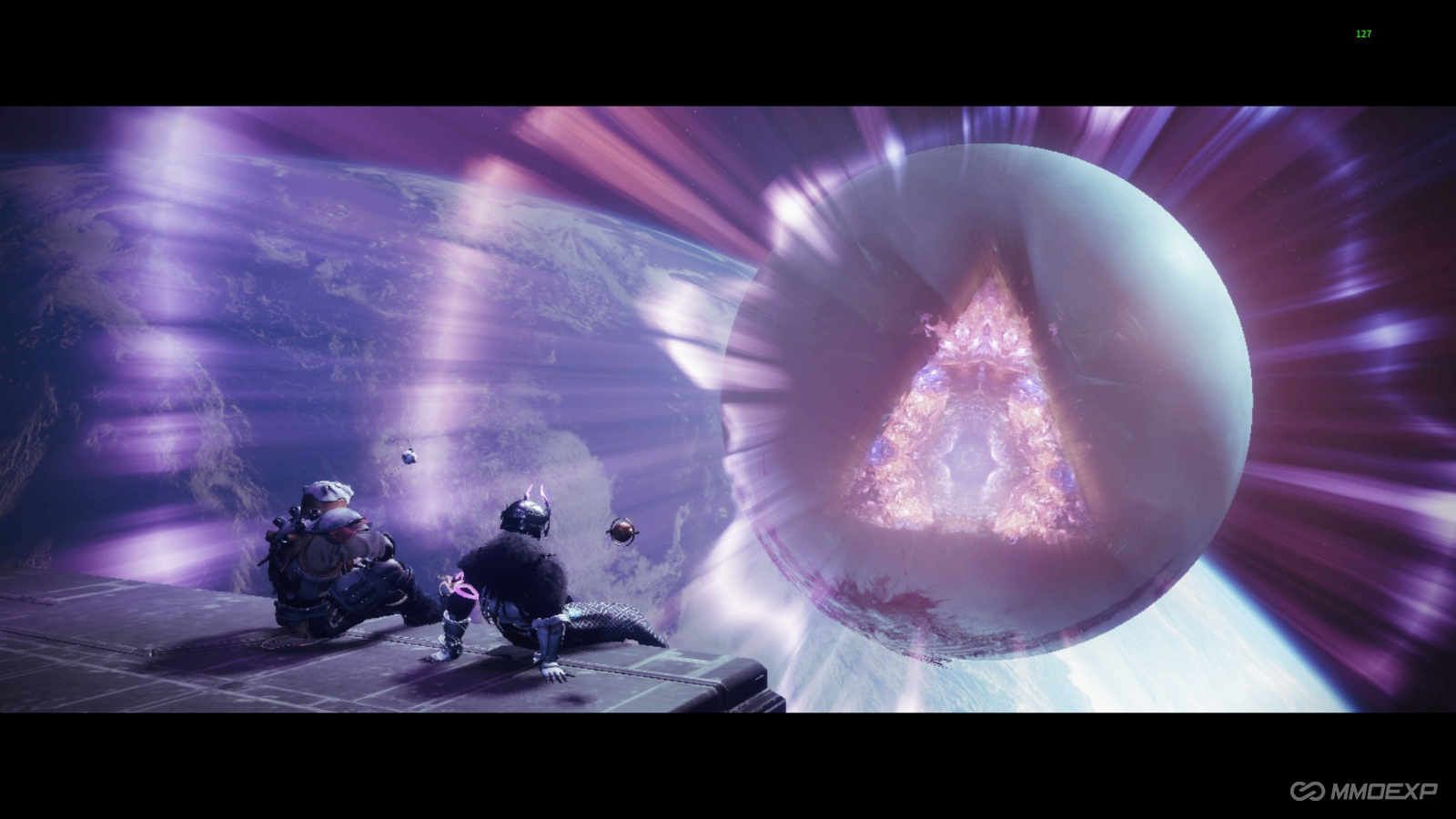
Bungie released the official essay Destiny 2: Every End is a New Beginning in the early hours of May 22, confirming that the game will launch its final substantive content update on June 9. After this release, no further major iterative content, new seasons, or expansion plans will be delivered for Destiny 2.
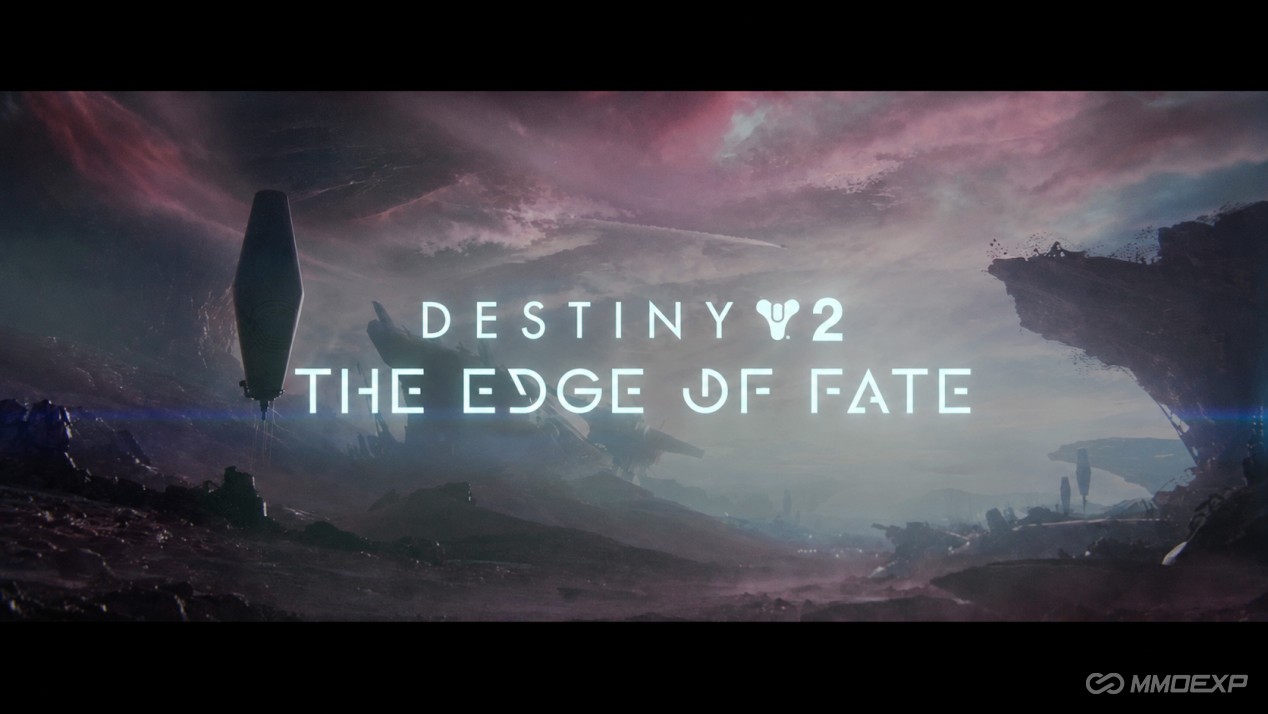
The final major paid expansion cycle, the first half of the Year of the Prophecy saga titled Edge of Fate, has long carried subtle omens of this conclusion. For the past two years, the sentiment that “Destiny 2 is fading” has lingered steadily within the community. In previous years, this seasonal window would be filled with official teasers, hype trailers, and previews for the upcoming annual expansion. Yet following the conclusion of the Star Wars crossover event, season pass rollouts were repeatedly delayed, and news of a new yearly storyline never surfaced. As Shadows and Order approached, players received not a brand-new narrative chapter, but the long-anticipated announcement of the game’s content conclusion.
The long-circulated community sentiment finally came to fruition, sparking widespread discussion across the entire player base. Fellow Guardians who know how deeply I’ve invested in this game reached out one after another to ask for my thoughts. Surprisingly, this news did not stir up intense emotions within me. There was no rage, no heart-wrenching sorrow — only a calm, profound sense of closure. I want to put years of accumulated feelings into words, bidding farewell to this game that has accompanied me for so long, and share this quiet reflection with every like-minded player.
Retirement Does Not Mean Farewell, Pausing Updates Is Not Shutdown
First and foremost, the halt of new content development is never equivalent to server closure.

2026 marks the 12th year of the entire Destiny franchise and the 9th year of Destiny 2. Even in its twilight years, the original 2014 Destiny title still maintains regular weekly server maintenance to this day. Much like classic online games that have ceased new content updates but remain cherished spiritual homes for veteran players, Destiny 2 is simply entering a well-deserved retirement phase.
As long as the servers remain online, both new and returning players can continue exploring its vast, complete content library. By conservative estimates, the core operation of Destiny 2 will remain stable for at least the next six months to a year. The game will not vanish abruptly on June 9 — it merely transforms its form of existence, trading iterative updates for eternal playable permanence.
A Peerless Sci-Fi Epic: The Perfect Fusion of MMO Depth and FPS Thrill
The reason players hold such complex, enduring affection for Destiny 2 lies in its irreplaceable uniqueness. It stands unrivaled in the gaming industry, seamlessly blending the immersive depth of MMORPGs with the fast-paced, visceral thrill of first-person shooters — a fusion few titles have ever executed successfully.
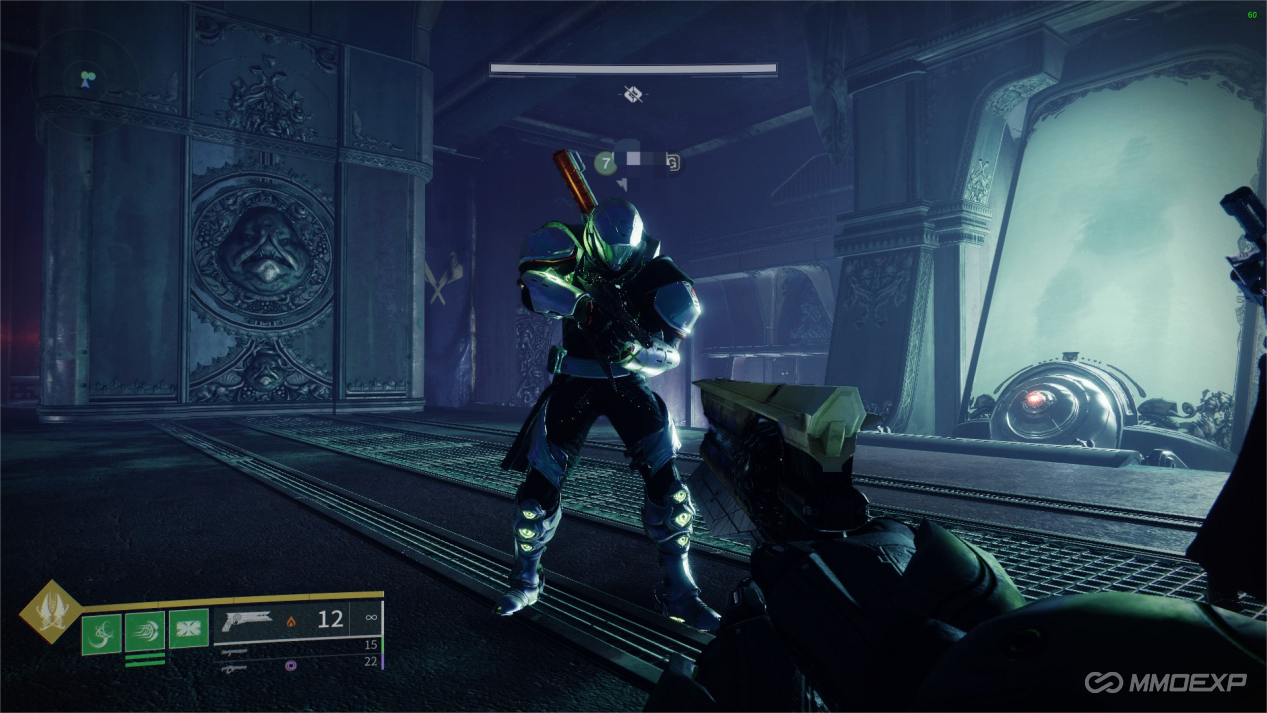
Classic MMORPGs such as World of Warcraft, Final Fantasy XIV, and Guild Wars 2 demand substantial time and dedication from players, crafting rich, immersive worlds with complete ecological logic. The core charm of these games lies in accumulation: not merely the stacking of gear and power levels, but the precipitation of time, game understanding, and social bonds. In these open persistent worlds, players shape their own unique identities through customized appearances, races, and gameplay styles. You are no preset game character, no standardized model in a match pool, but an exclusive protagonist living in a self-consistent digital universe. The bustling social hubs, explorable wilds, and boundless star systems in these games deliver an immersive sense of belonging that fast-paced lobby-based multiplayer games can never replicate.
Destiny 2’s first-person perspective breathes ultimate life into this immersive world. Unlike competitive FPS titles including Overwatch, Valorant, Apex Legends, Rainbow Six Siege, and Counter-Strike — which center entirely on PVP victory, rank progression, and competitive skill improvement — Destiny 2 prioritizes PVE exploration and narrative experience. Most loyal players return not for competitive wins, but to hunt rare exotic gear, unlock hidden conditional achievements, challenge high-difficulty boss encounters, explore scenic planetary landscapes, and uncover hidden collectibles. This laid-back, exploratory gameplay loop is fundamentally distinct from the win-oriented logic of competitive shooters. It is why players who fall in love with Destiny 2’s PVE gameplay and profound sci-fi lore can rarely find a satisfying substitute in mainstream competitive FPS games.
While there are other PVE-focused shooters on the market, none replicate Destiny 2’s core essence. Warframe, the most frequently cited alternative, relies on an entirely different gameplay loop centered on infinite farming and frame customization rather than structured team boss encounters. Co-op titles like Left 4 Dead feature no persistent character progression or long-term account accumulation. Games such as Borderlands, Deep Rock Galactic, Remnant II, and The First Descendant share superficial similarities with Destiny 2, yet lack its signature integration of long-term MMO progression, intricate team mechanics, and grand cohesive storytelling. The more games I experience, the clearer it becomes: Destiny 2’s core identity is one of a kind.
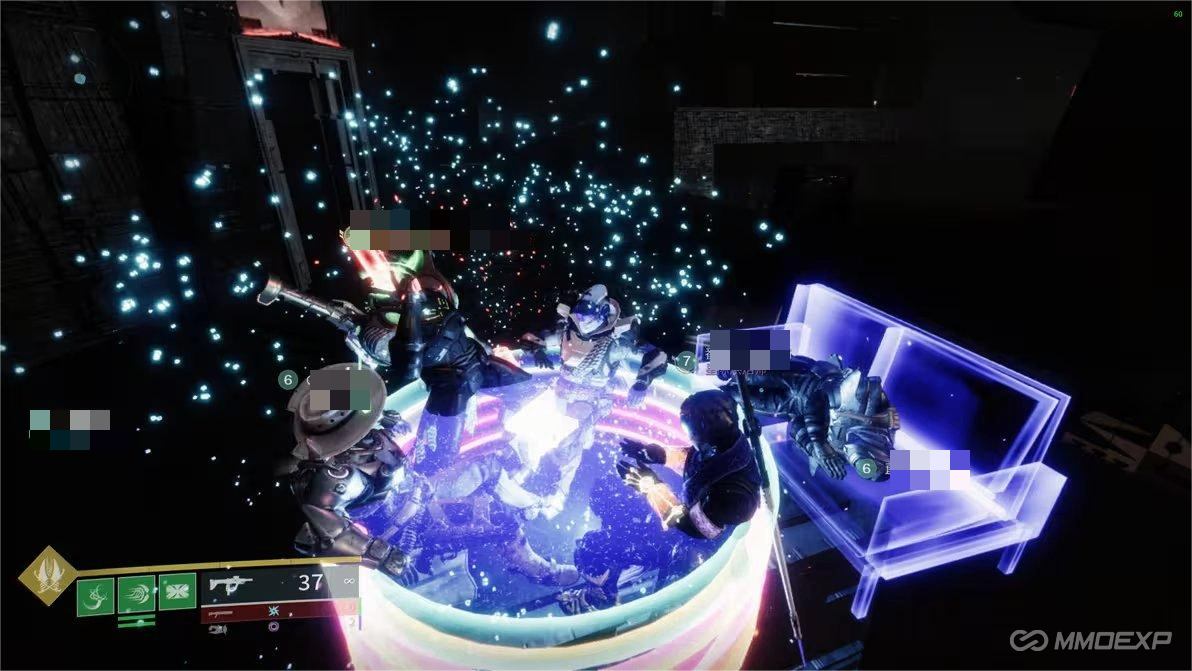
Raids: An Unreplicable Endgame Masterpiece
In the realm of MMO endgame design, Destiny 2’s Raids stand as an unparalleled benchmark.
Endgame content defines the ultimate value of player investment in online games. Without clear, meaningful endgame goals, all daily grinding and progression will eventually feel empty and aimless. Many games lose player retention precisely due to monotonous, unfulfilling endgame loops that offer no long-term purpose for accumulated resources and skills.
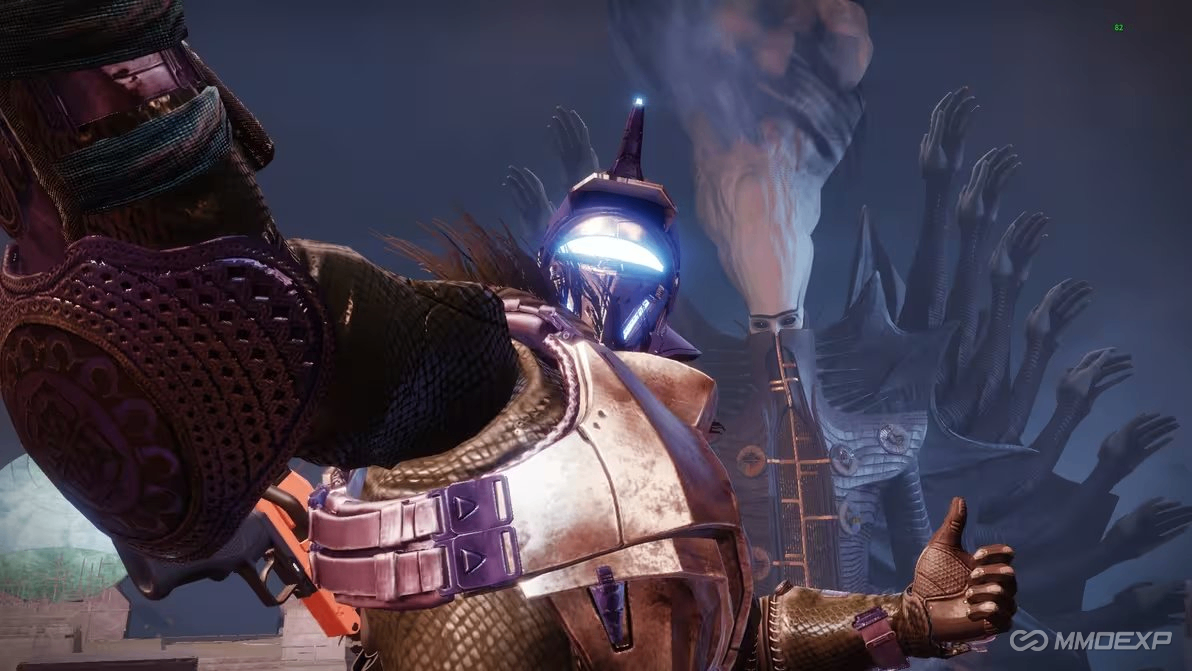
Destiny 2 solves this perfectly with its iconic Raid content. Raids are high-stakes, six-player cooperative endgame dungeons composed of four to six interconnected encounter phases, culminating in legendary boss battles. These encounters cannot be cleared through simple stat or gear overleveling; they are intricate, three-dimensional mechanical puzzles that demand full team coordination. Any collective wipe or overtime failure resets all progress, forcing the team to restart the entire encounter from scratch.
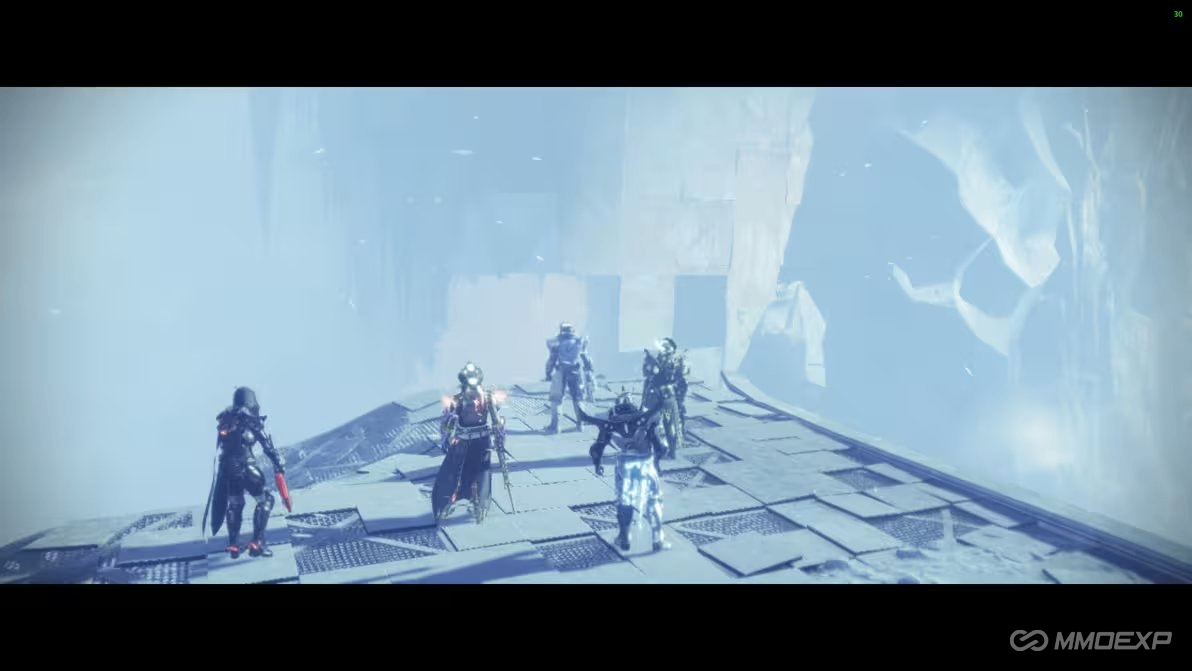
There are no automated matchmaking systems, no on-screen UI hints, and no simplified mechanics. Victory depends entirely on real-time voice communication, tacit teamwork, and clear role division among six players. A single Raid run can last anywhere from 40 minutes to several hours. Even when replaying the same dungeon, every attempt feels unique — varying teammate compositions, different tactical arrangements, seasonal sandbox adjustments, and even minor network fluctuations can create entirely new challenges. Every new开荒 attempt delivers a brand-new experience.
Traversing stunning, labyrinthine 3D dungeon environments, splitting into separate teams to complete parallel objectives, collecting key ritual items, activating ancient cosmic mechanisms, and finally defeating god-tier bosses — all while accompanied by soaring original soundtracks, breathtaking art design, and layered lore context. This perfect combination of puzzle-solving, tactical cooperation, and epic narrative is unmatched across the entire gaming industry. Even with no new content updates, these classic Raids remain timeless experiences worth revisiting repeatedly. The cost of a single expansion unlocks hundreds of hours of carefully crafted, memorable gameplay — an undeniably worthwhile investment for every Guardian.
Regrets and Reflections: The Fall of a Legendary Franchise
Given its exceptional design and irreplaceable gameplay, it is inevitable for players to ponder: why did such a remarkable game end up ceasing active development?
The root cause lies in Bungie’s short-sighted live-service operational strategies. After splitting from Activision and establishing a partnership with Sony in subsequent years, the studio adopted an aggressive, unsustainable development model to maintain superficial player activity metrics. Bungie frequently vaulted classic playable destinations and dungeons, nerfed iconic legacy weapons and builds, and forced players to abandon accumulated content to chase newly launched seasonal updates.
This studio arrogance and strategic misstep reached its peak following the release of The Final Shape. Though the expansion achieved record-high online player numbers at launch, subsequent seasonal content fell into severe homogenization and tedious repetition, triggering a rapid player exodus. Meanwhile, Bungie diverted the majority of its core development resources to its new IP project Marathon, resulting in severe content shrinkage and quality decline for Destiny 2.
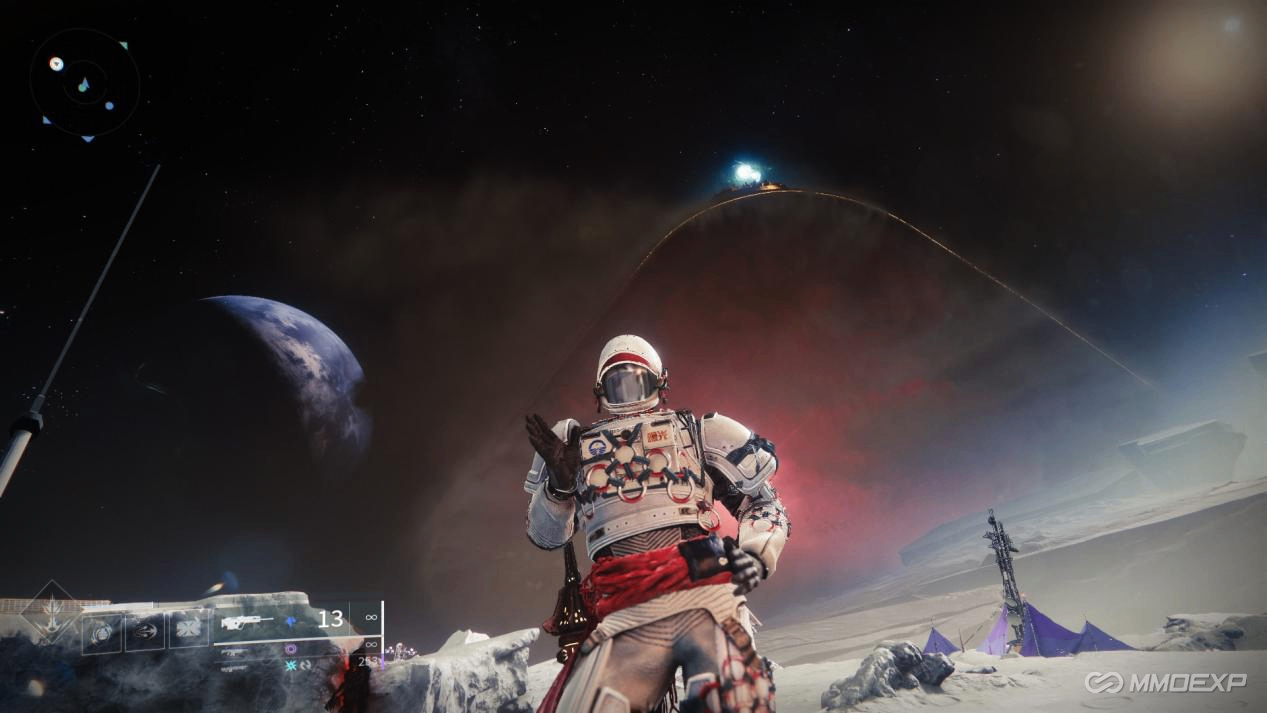
The franchise’s content output deteriorated drastically: annual seasonal cycles were compressed, new Raid production was halved, and innovative gameplay was replaced with formulaic portal modes and repetitive battle pass progression loops. Bungie attempted to retain high player stickiness with increasingly thin content, embodying a greedy and contradictory operational mindset. Today, the hype for both Marathon and the mobile spin-off Destiny: Starfall has completely faded. Without new content momentum, Destiny 2’s active development era has inevitably drawn to a close.
Conclusion: Every End Paves the Way for a Brighter New Beginning
I hold no despair toward Destiny 2’s cessation of new updates. Bungie once stated that this moment would serve as a catalyst for the community — and I firmly believe that Destiny 2’s finest days are still ahead of us.
For new players, there is no longer the overwhelming pressure to rush and catch up with endless rotating seasonal content. You can immerse yourself in this vast cosmic universe at your own pace, exploring every lore detail, gameplay mechanic, and scenic corner without anxiety. For veteran Guardians, there is no longer the fear of beloved weapons, classic builds, and cherished content being arbitrarily nerfed or vaulted.
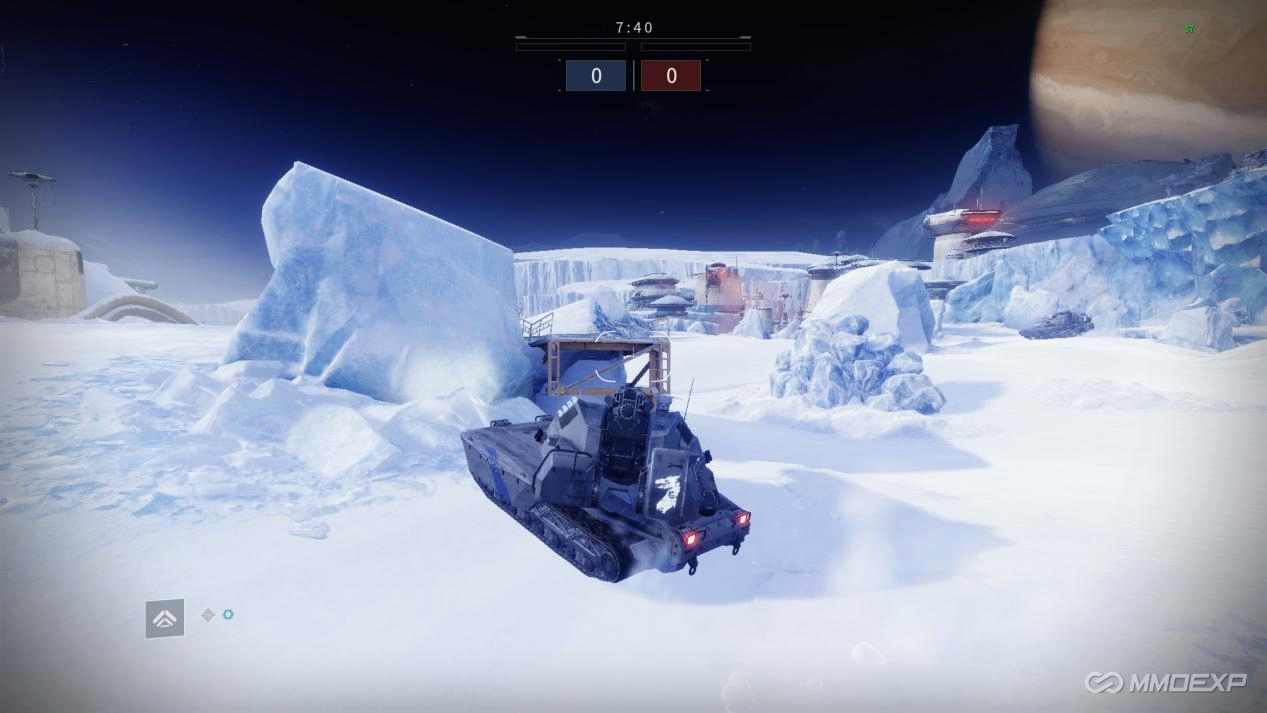
I have witnessed the development team’s attempts at optimization and improvement over the years. Many promising adjustments were conceived but ultimately stifled by corporate constraints and high-level strategic decisions. Rather than watching this iconic game slowly decay under rigid, short-sighted management, it is far more fitting for it to freeze in its most complete state, resting peacefully in the passage of time. This is not a sad demise, but a dignified, perfect conclusion to a legendary journey — a true final shape of its legacy.
Destiny 2 has accompanied me through the most precious years of my youth, walking with me through my academic journey and comforting me during lonely days overseas. Within this cosmic community, I have met lifelong friends, experienced reunion and parting, and grown alongside every triumph and setback. I look back on my youthful ignorance and immaturity in social interactions, learning to be kinder and more resilient along the way. I’ve tried countless times to share this game with others, only to realize how rare and precious it is to encounter a work that perfectly resonates with your soul.
Fate has written its final chapter, yet the stars we once traversed together will never fade. We once stood side by side as Guardians, fighting for light across the cosmos — and that memory alone is enough to last a lifetime.
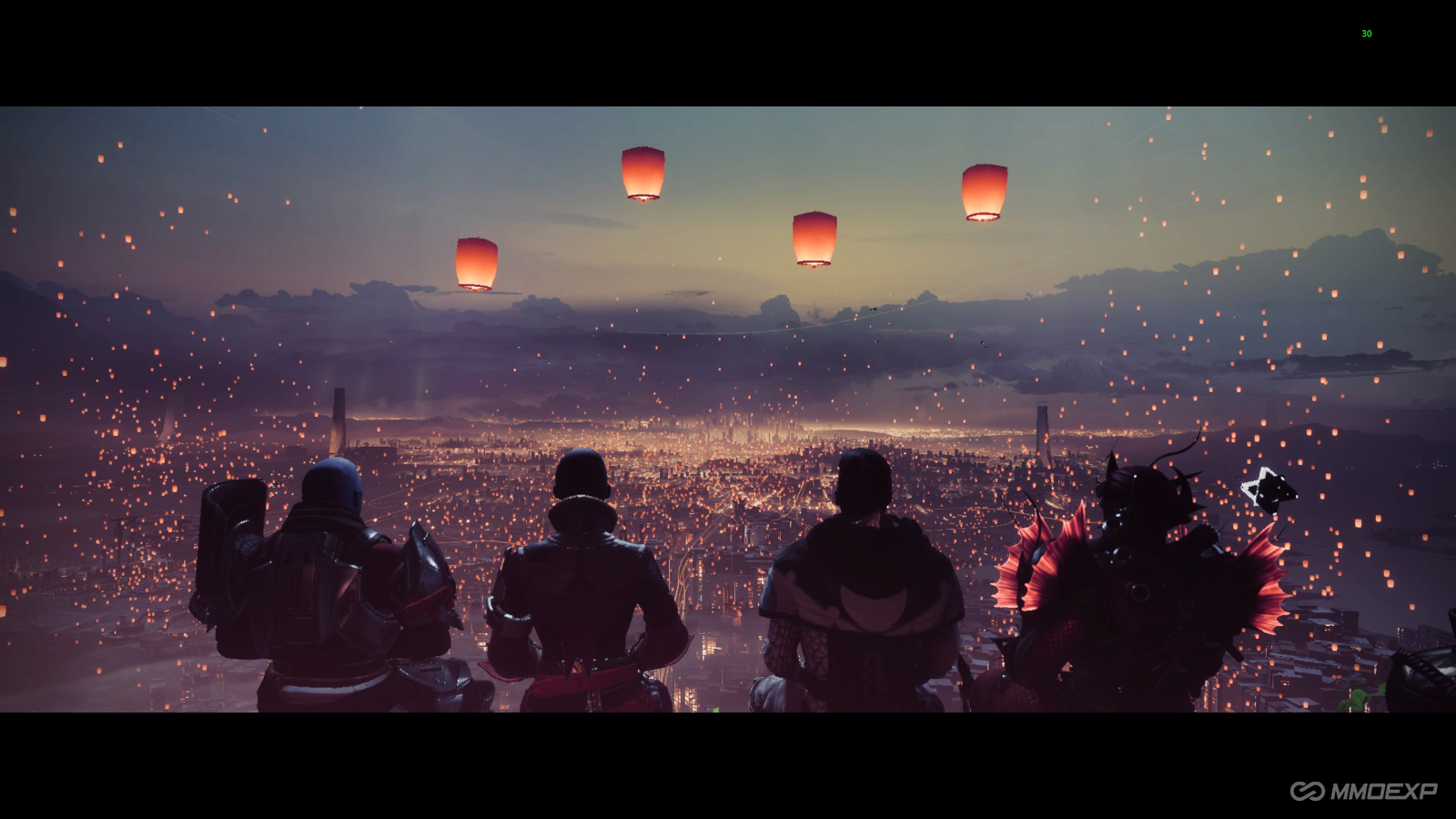
The starlight fades, yet a new prologue begins. Farewell, Guardians. May your Light shine eternal across the endless galaxy.