





Summary
Recent reports indicate that The Blood of Dawnwalker was developed with a substantial $40 million budget, a figure that immediately raises questions about where those resources went. While engine technology and narrative scope are important, this article focuses on the most visible return on investment: the art pipeline. We break down how Rebel Twins translates high-end funding into tangible visual fidelity, from texture resolution to lighting complexity.
What Changed
What Changed
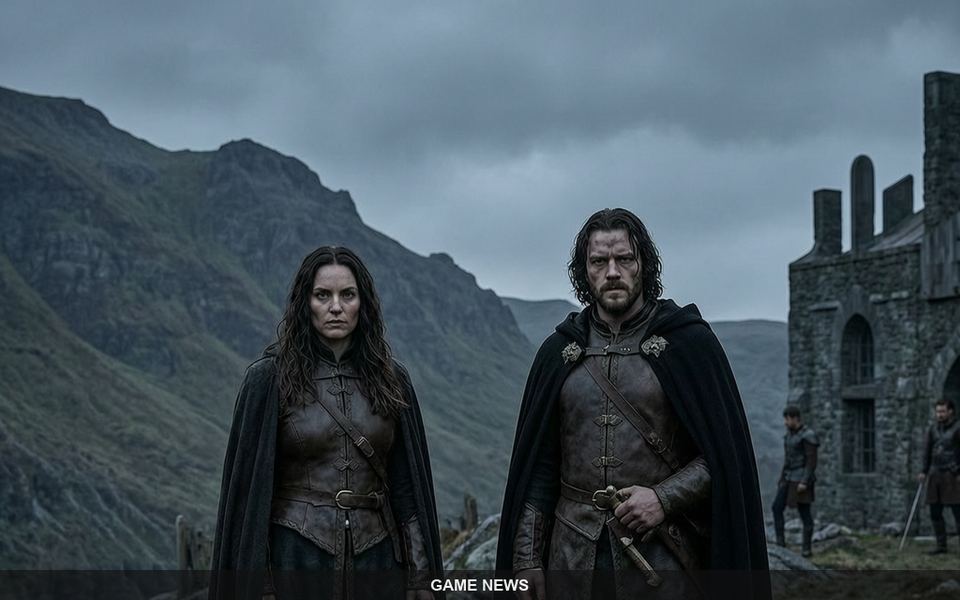
The shift in perception regarding indie-adjacent AAA production has been driven by new insider data revealing the scale of financial backing behind this title. Unlike previous assumptions that mid-sized studios rely heavily on asset flips or generic modular kits, the disclosed budget suggests a bespoke approach to environment creation. This change highlights a move away from procedural generation shortcuts toward hand-crafted density, where every object placement is curated to enhance immersion rather than just fill space.
The core of this transformation lies in the studio's commitment to unique material definitions. Instead of reusing standard shader graphs across multiple asset types, the team appears to have invested in custom material instances that react dynamically to weather and time-of-day changes. This results in surfaces that do not look like plastic under harsh sunlight but retain subsurface scattering properties appropriate for organic matter like bark, flesh, and stone.
Material Complexity and Texture Budgets
A significant portion of the budget likely goes into 8K texture atlases that maintain clarity at close range without inflating memory usage through inefficient compression. The use of virtual texturing allows artists to paint directly onto large-scale terrains, creating seamless transitions between biomes. This eliminates the 'seam' artifacts common in lower-budget open worlds, providing a continuous visual flow that draws players deeper into the setting.
Why It Matters
For players, visual fidelity is often the first metric used to judge a game's quality before gameplay mechanics are fully understood. A higher budget enables Rebel Twins to implement advanced lighting techniques such as real-time ray tracing for reflections and shadows, which drastically alters the mood of nighttime sequences. In a dark fantasy setting, the interplay between light sources and shadow volume defines the horror element; cheap static lighting would fail to convey the tension required for stealth-based encounters.
Moreover, detailed character animations and facial capture technologies ensure that emotional beats land effectively. When NPCs display micro-expressions synchronized with dialogue, the world feels inhabited rather than populated by bots. This level of polish reduces the cognitive load on players trying to interpret social cues, allowing them to focus on strategic decisions during combat or exploration.
Who Should Care
This analysis is crucial for enthusiasts who appreciate technical artistry and want to understand what makes a game feel 'expensive.' Graphics engineers and technical artists will find value in observing how a mid-tier studio manages resource allocation to compete with larger publishers. Additionally, gamers considering pre-orders should care because visual consistency correlates with optimization efforts; a well-managed art pipeline often implies a cleaner codebase, leading to fewer performance drops on PC and console hardware.
Investors and industry analysts also benefit from understanding these cost structures. Recognizing that $40 million buys specific artistic outcomes helps calibrate expectations for future titles from similar studios. It demonstrates that budget transparency can serve as a proxy for quality assurance, signaling that the developers are prioritizing player experience through concrete technical improvements rather than vague marketing promises.
1. Key Visual Indicators of High-Fidelity Production
To identify where the money went, look for these specific elements in gameplay footage:
- Dynamic Weather Effects: Raindrops interacting individually with surface normals, causing ripples on puddles and altering fog density in real-time.
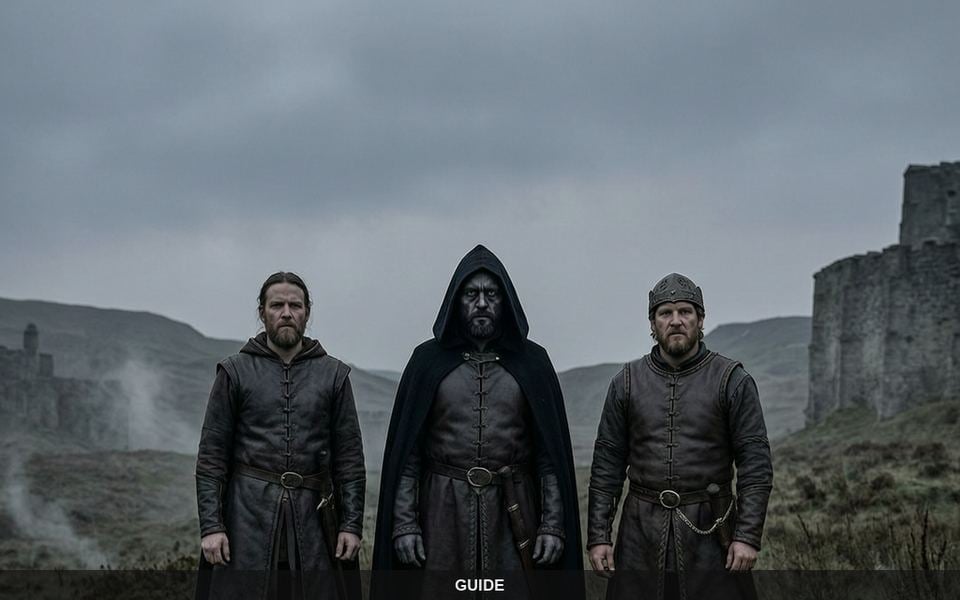
- High-Res Cloth Simulation: Character capes and garments reacting physically to wind and movement without clipping through bodies or environments.
- Volumetric Lighting: God rays piercing through forest canopies that cast accurate shadows on moving objects below, not just static terrain.
- Detailed Prop Variety: A lack of repetitive 'copy-paste' assets; even minor items like barrels or crates show unique wear patterns and damage states.
- Seamless Level Transitions: No loading screens or black fades when entering interiors, indicating aggressive streaming optimizations paid for by the budget.
2. Timeline of Development Milestones
Understanding the progression helps contextualize the final output:
- Jan 2026 — Concept Art Lock: Finalization of the visual identity and color palettes for all major regions.
- Mar 2026 — Vertical Slice Completion: A playable segment demonstrating full graphical fidelity and mechanic integration.
- May 2026 — Alpha Feature Complete: All assets integrated, shifting focus to bug fixing and performance tuning.
- Sep 2026 — Budget Disclosure & Polish Phase: Public confirmation of financial backing coincides with final graphical enhancements.
- Late 2026 — Launch Preparation: Optimization for various hardware targets based on feedback from beta tests.
Final Thoughts
The $40 million budget allocated to The Blood of Dawnwalker clearly serves as a foundation for its visual storytelling. By investing heavily in custom materials, advanced lighting, and seamless world design, Rebel Twins ensures that the aesthetic experience matches the narrative depth. For players seeking an immersive dark fantasy journey, these technical choices promise a world that feels alive, dangerous, and visually coherent throughout the entire adventure.