









Summary:
Why is it that when using the same gun, others experience almost "zero recoil," while you can't control it or aim accurately? The problem is often not with the weapon, but with the settings. Many players blindly increase sensitivity and set Dead Zone to 0, unaware that these habits actually disrupt aim assist and make recoil even harder to control. This article will break down the settings commonly used by professional players, buy Black Ops 7 Bot Lobbies, making your recoil control more stable and tracking easier, allowing you to lock onto targets with even the slightest thumb movement.
What: Why shouldn't Dead Zone be set to 0?
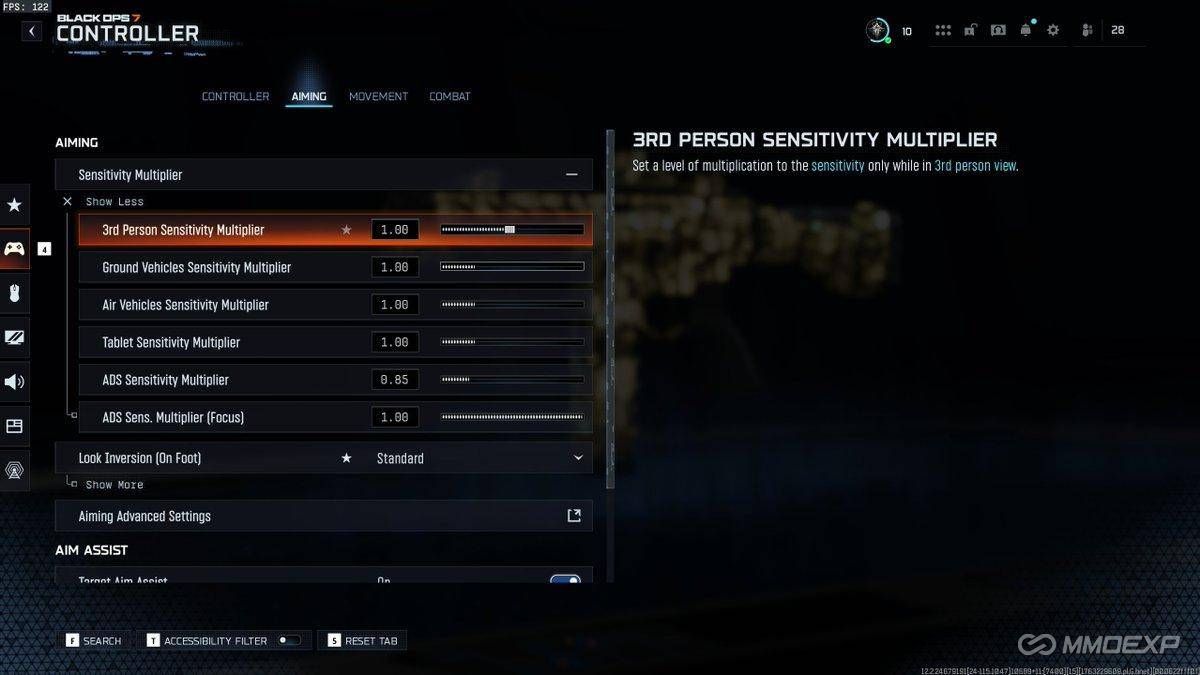
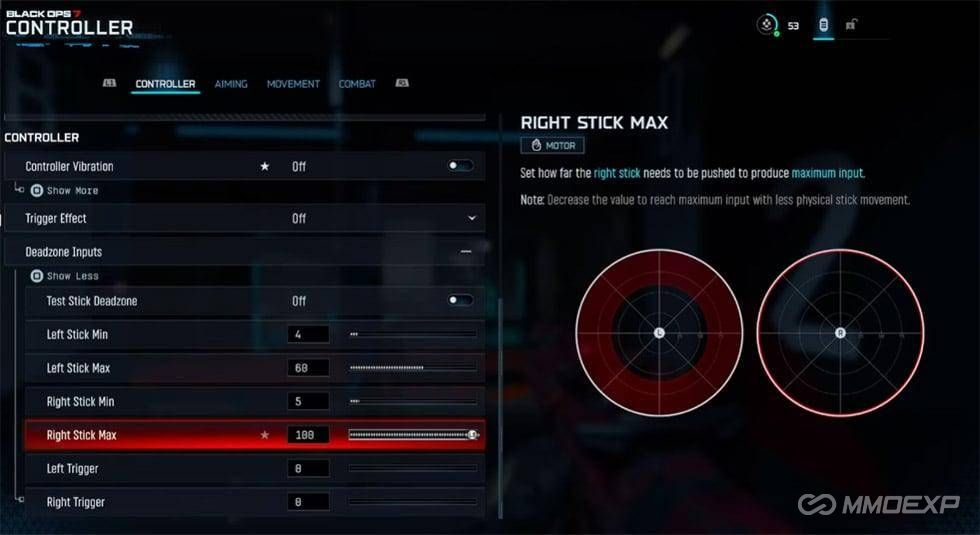
Many players believe that a lower Dead Zone means better sensitivity, so they set it to 0. In reality, everyone's hand has slight tremors. When Dead Zone is 0, these tiny movements are detected by the game, causing the crosshair to drift constantly, especially at long distances.
A more reasonable approach is to adjust the Dead Zone on the right analog stick between 2 and 4. This filters out natural hand tremors without making the controls sluggish.
Key Takeaway:
A lower Dead Zone isn't always better; 2-4 represents the optimal balance between stability and sensitivity.
How: Why can't you only adjust ADS sensitivity?
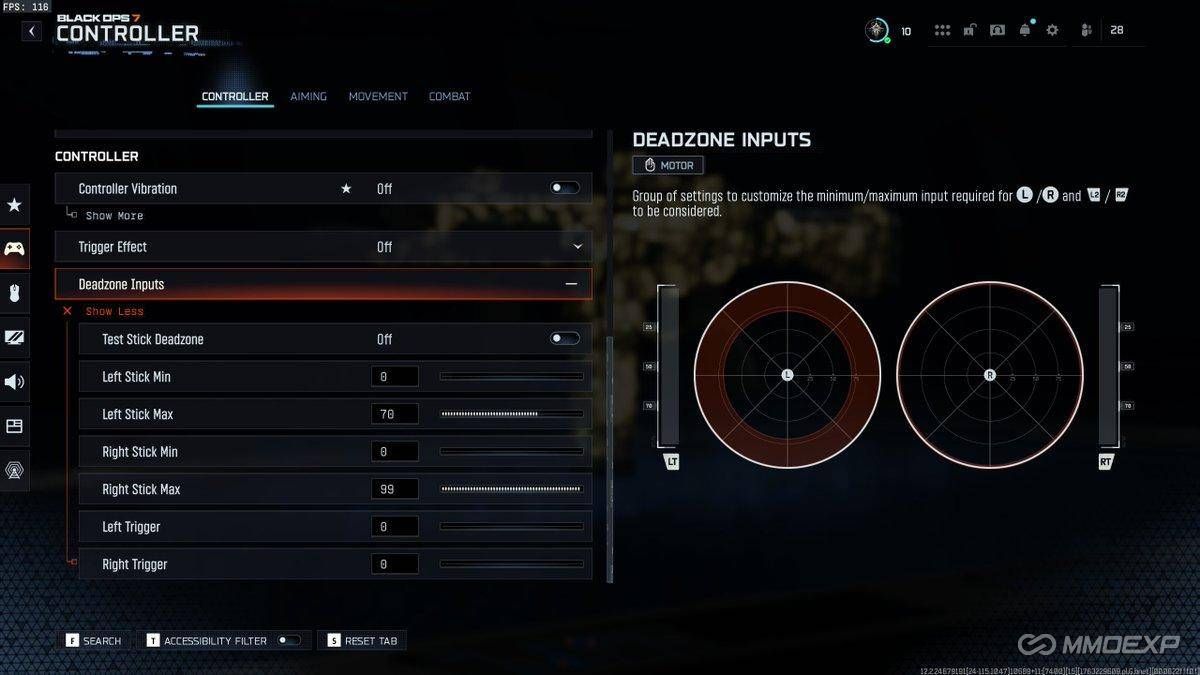
Many players believe ADS and normal sensitivity are independent, but they are actually linked.
If the base horizontal and vertical sensitivity are too high, even with the ADS magnification unchanged, the crosshair after aiming down sights will become abnormally erratic, turning fine adjustments into large swings. It's recommended to maintain an ADS magnification of around 0.95, while keeping the horizontal sensitivity slightly higher than the vertical sensitivity. This will result in more natural horizontal tracking.
Key Takeaway:
Sensitivity must be adjusted holistically, not just in isolation with ADS.
How: Why do expert players almost never pull the joystick excessively when controlling recoil?
True stable recoil control relies on micro-management, not frantically pulling the joystick down.
Expert players typically control recoil within a small area around the center of the joystick, making minimal adjustments to the crosshair, combined with left and right character movement, allowing the aim assist to remain effective. The more exaggerated the movements, the easier it is to drift out of the assist's range, making it harder to hit the target.
Additionally, disabling controller vibration is also key to improving stability, as it reduces subtle hand slippage caused by vibration.
Core takeaway:
Recoil control is about "small movements and slow corrections," not pulling the lever all the way back.
Why: Can a small accessory improve tracking?
Besides settings, some high-level players use heightened joystick caps to give the right joystick a longer travel.
This allows for more precise input with the same thumb movement, making fine adjustments easier. However, even without additional accessories, a significant improvement can be achieved by correctly adjusting Dead Zone, sensitivity, and operating habits.
Core takeaway:
Equipment is just a bonus; correct settings and operating habits are the real core.
Conclusion: Who is this article for?
If you always feel that recoil is too high, tracking is unstable, and aim assist is ineffective, then this approach is worth trying immediately. Whether you're a beginner just starting out with a controller or a player stuck in the mid-to-high ranks, you can quickly improve your recoil control experience, CoD BO7 Bot Lobbies through these detailed settings, achieving more stable kills with fewer operations.
Beginner's Guide: Key Benefits at a Glance
New Players: Quickly learn stable recoil control to reduce misfires.
Ranked Players: Improve tracking stability and increase mid-to-long-range accuracy.
Controller Users: Master the optimal combination of Dead Zone and sensitivity.
Players Wanting to Improve K/D: Utilize micro-management and settings optimization to maximize the effectiveness of aim assist.