






If you just went through a wipe and need to get back on your feet fast, this opening strategy is worth following to the letter. The core goals are clear: get your workbenches built ASAP, level up Scrappy quickly, collect blueprints and key materials, and keep your stash and cash flowing. Of course, if you'd rather skip the early grind altogether, you can always buy ARC Raiders Items to give yourself an immediate gear boost—but for those who prefer the organic route, the strategy below has you covered. Get the early game right, and everything after—whether you're running solo or taking fights—gets a whole lot easier.
1. Core Philosophy for the Fresh Start Phase
The first few raids after a reset aren't about chasing PvP kills. Your job is to build the foundation.

This route focuses on:
· Fastest possible basic material collection
· Prioritizing Scrappy upgrades
· Getting all workbenches built early
· Grabbing blueprints, keys, weapon attachments, and high-value barter items along the way
Why this works:
· You enter a resource-positive cycle much faster
· Your workshop comes online earlier
· Gear and stash pressure drops significantly
· Resource returns are multiple times higher than pure PvP farming
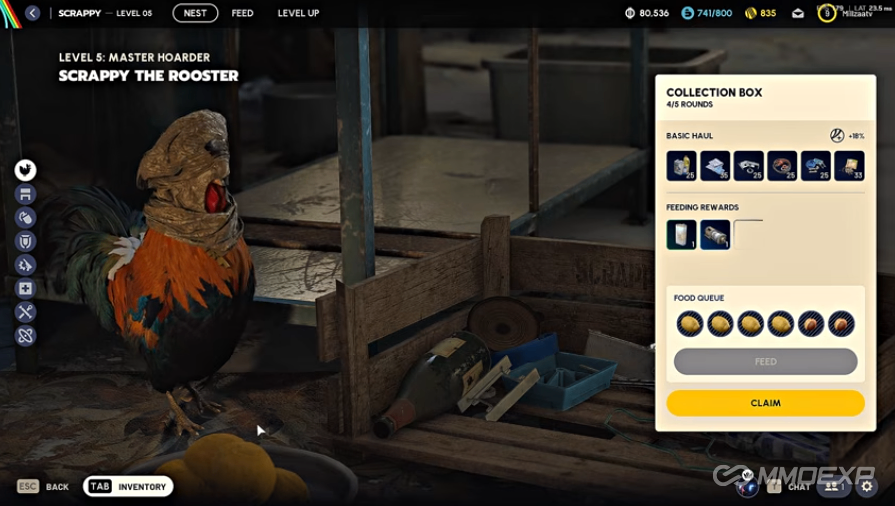
2. Scrappy Is Your #1 Priority—Ignore the Fancy Loot
A lot of players fixate on cash and guns early on. But Scrappy is the real efficiency king during the fresh start phase.
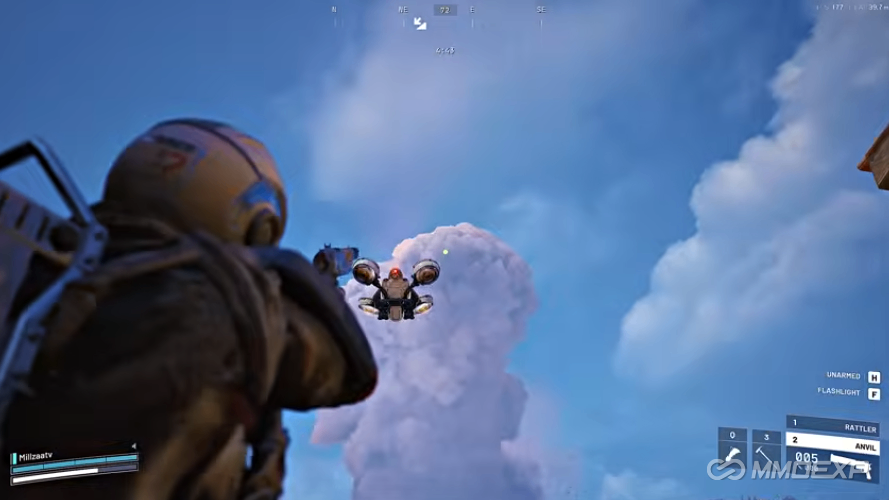
Scrappy weapon upgrades rely on several material types:
· Fruits: Apricots, lemons, olives, pears, mushrooms, etc.
· Pet items: Cat beds, pillows, collars, etc.
· Miscellaneous: Balls of yarn, furballs, pads, etc.
What to do:
· Sweep basic loot as you move through the map
· Pick up fruits whenever you see them—apricots and lemons are especially valuable
· Run fruit routes during Lush Blooms events
· Don't sell pet items like cat beds and collars too early—hold onto them
Why this matters:
Upgrading Scrappy gives you steady resource support in subsequent supply runs. Early on, your biggest bottleneck isn't weapons—it's the ability to sustain momentum. Scrappy is the starting point of that snowball.
3. Rush Your Workbenches—This Is the Biggest Early Payoff
The sooner you get your workbenches up, the bigger your advantage.
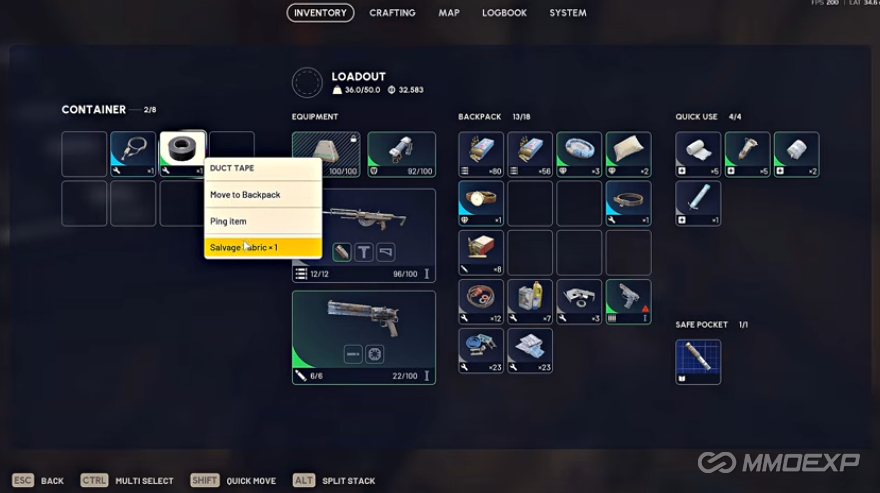
Priority order:
· Build whatever workbenches you already have the materials for
· Use barter trades to fill missing components
· Don't hoard materials forever waiting for the perfect moment— just build
· Keep a steady stockpile of base materials: metal, plastic, cloth, rubber, chemicals
Key materials to hoard:
Material | Why It Matters |
Metal | Universal crafting staple |
Plastic | Used in almost everything |
Cloth | Gear and upgrades |
Rubber | Mods and repairs |
Chemicals | Ammo and advanced crafting |
These materials are effectively universal currency in the early game. If stash space is tight, prioritize these over shiny but useless junk.
4. Early Resource Routes: Start with Basics, Then Move to High-Value Zones
The early route isn't about wandering. It's about high-reward, low-conflict paths.
Zone types to prioritize:
Pharmacies / Medical Buildings
Great starting point
Drop medical items, materials, and some high-value loot
Dense containers with low PvP heat
If one is crowded, rotate to another—consistency beats gambling
· Space / Research Facilities
· Dense container clusters
· High weapon attachment spawn rate
· Blueprints, keycards, and rare barter items show up here often
· Look for weapon parts, light/medium/heavy gun components, mechanical parts, door keys, and uncommon attachments
· Post-Breach "Hidden Value" Areas
Some areas aren't marked as high-tier but become very lucrative after breaching. Examples include:
· Parking lot utility rooms
· Rooms unlocked after a breach
· Unassuming side rooms
These are often overlooked but can yield apricots, blueprints, industrial batteries, stims, and rare miscellaneous items—great for topping off a partially full bag.
5. Blueprints Are the Biggest Power Spike
Blueprints aren't just collectibles—they're tangible progression.
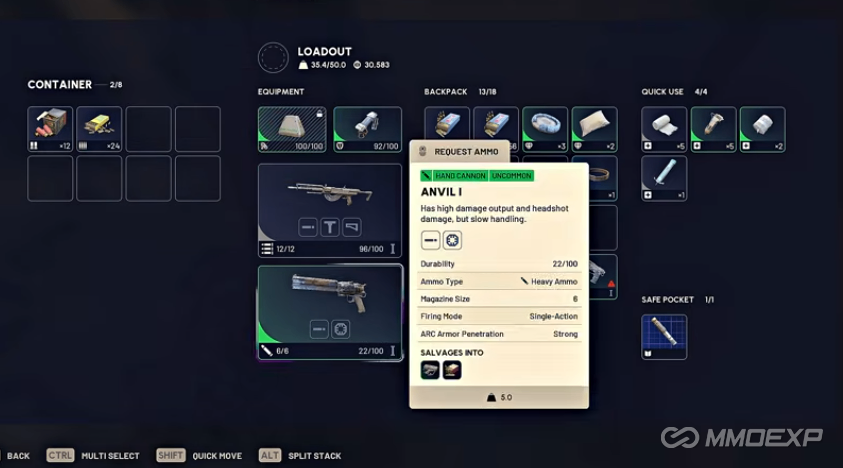
What they unlock:
· Stronger weapons
· Higher attachment caps
· Early weapons that go from mediocre to excellent
· Foundation for later loadouts
Examples from actual runs:
· Shotgun Choke 2
· Osprey Blueprint
· Extended Light Amplifier
· Suppressor 2
· Angled Grip 3
· Compensator 2
Don't just look at the weapon itself. Attachments often matter more. A mediocre gun with great attachments can outperform a good gun with no mods.
6. Solo Run Tips: Less Fighting, More Looting
Early on, avoid head-on PvP fights whenever possible. Time spent fighting is time not spent looting.
Solo guidelines:
· Listen for footsteps at hot zones before pushing
· If an area is crowded, reroute—don't force it
· Fight ARC when you can—they drop batteries and alloy
· When your bag is nearly full, prioritize rare materials over common junk
What to keep:
Keep | Ditch |
Metal, rubber, chemicals | Low-value duplicates |
Mechanical components | Low-yield medical items |
ARC alloy, power batteries | Unnecessary food items |
Blueprints, high-value attachments | Excess pet materials |
Keycards | Common junk |
The goal: make every bag count.
7. Don't Avoid ARC Completely—Fight Smart
A lot of new players avoid ARC units entirely. That's a mistake.
What ARC drops:
· Power batteries
· ARC alloy
These are critical for progression. Take down ARC units when it's safe—don't waste ammo on a losing fight, but don't skip an easy kill that drops key upgrade materials. Remember: you're farming materials, not kill counts. Just watch out for tougher units and reinforcements.
8. Suggested Route Progression
Phase 1: Foundation
· Collect basic materials
· Sweep scrap along the way
· Hit pharmacies and low-conflict buildings first
Phase 2: Expansion
· Fight ARC for batteries and alloy
· Start stacking blueprints and attachments
· Upgrade Scrappy, build workbenches
Phase 3: Reinforcement
· Run Lush Blooms for fruit
· Fill remaining workbench material gaps
· Boost carrying capacity and overall combat readiness
Phase 4: Mature
· With better guns and attachments
· Push higher-risk areas
· Now your efficiency is significantly higher
9. Easily Missed Details
1. Check under trees and around plants—fruits like pears, apricots, and mushrooms often spawn on the ground near flora, not just in containers.
2. Don't sell cat beds, pillows, or collars too early—these directly affect Scrappy's upgrade progression.
3. Keycards are keepers—hold onto them; they often unlock valuable areas later.
4. Evaluate attachments by equippability—not every good attachment is worth keeping right now. Check if it fits your current weapon before deciding.
5. Weight management matters—over-encumbrance slows you down and gets you killed. Learn to let go of low-value items.
10. Final Word: What Actually Wins the Early Game
This strategy boils down to one simple idea: build your resource system as fast as possible. If you can do these things consistently:
· Upgrade Scrappy aggressively
· Get workbenches built early
· Stack blueprints and attachments
· Keep stable material income
· Avoid unnecessary fights when running solo
You'll establish a commanding lead right after a reset. And if RNG isn't on your side with blueprint drops, you can always buy ARC Raiders BluePrints to shortcut the collection process and get those key upgrades in your hands even faster. ARC Raiders' fresh start isn't about who sprints into the first gunfight. It's about who gets their resource chain running first. Whoever gets Scrappy, workbenches, blueprints, and bag efficiency online first—wins.