






Summary
This Arena Breakout: Infinite armor guide explains tier 1-6 protection levels, four armor categories, material properties and key stats including durability, weight and ergonomics. It covers how ammunition penetration interacts with armor and gives practical loadout advice for different raid scenarios. Top-tier gear costs plenty of in-game funds. To re-equip after losing kits, players may buy Arena Breakout: Infinite Koens, though balancing defense and mobility remains more important than simply equipping the highest-class armor.
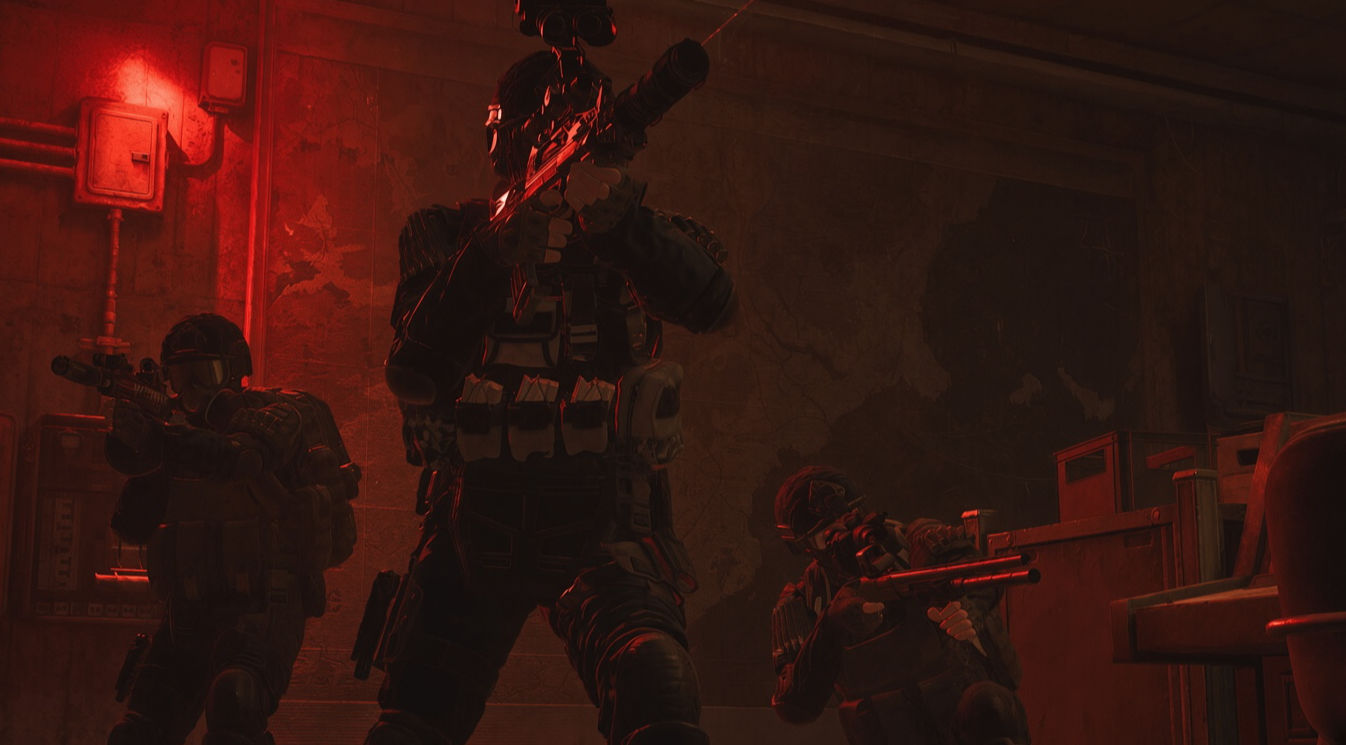
Armor is one of the most important systems in Arena Breakout: Infinite. It directly decides how long you survive when bullets start flying. Understanding protection levels, armor types, materials, coverage, and the trade-offs involved will help you make smarter loadout choices and extract more often.
This guide covers everything you need to know about armor in the game.
Protection Levels (Armor Class)
Every piece of armor in Arena Breakout: Infinite has an Armor Class, also called a protection level or tier. These range from Class 1 to Class 6.
Class 1 offers the lowest protection. Class 6 provides the highest. Higher-class armor stops more powerful ammunition and reduces damage more effectively when a bullet fails to fully penetrate.
In general:
Classes 1-2 mainly stop pistol rounds and light threats.
Class 3 handles many SMG rounds and some weaker rifle ammunition.
Class 4 stops most standard rifle rounds.
Class 5 resists armor-piercing rifle rounds more reliably.
Class 6 is the top tier and resists the majority of common calibers, though nothing is completely invincible.
Armor does not grant absolute immunity. Penetration depends on the bullet's pierce level, its penetration value, the armor's current durability, and some randomness. A bullet with a higher pierce level than the armor class has a strong chance of going through. Matching levels still reduce damage significantly. Lower-level ammo struggles against higher armor but can eventually wear it down.
Higher protection levels come with clear costs. Better armor weighs more, costs more on the market, slows movement speed, and lowers ergonomics. This reduces how quickly you can aim, sprint, and recover stamina. Balancing protection against mobility is a core decision in every raid.
Types of Armor
Arena Breakout: Infinite features four main armor categories: Body (Vest), Body (Full), Helmet, and Face Cover.
Vest-style body armor typically covers the chest, sides, and back. It is lighter and more flexible but leaves more of the torso exposed.
Full body armor expands coverage to the chest, sides, back, neck, upper arms, and often the groin or shoulders. It offers superior protection at the expense of greater weight and bigger movement penalties.
Helmets protect the head and sometimes the ears. Many also have ricochet chances that can deflect incoming rounds. Face Covers (or ballistic masks) attach to compatible helmets and protect the face. They must be equipped in the helmet's attachment slots to work.
Coverage matters a great deal. A high-class vest that only protects the chest leaves the abdomen or sides vulnerable. Players often aim for unprotected or lightly armored areas when they know the opponent's gear. Full coverage sets reduce these weak points but make you slower and louder.
Materials and Their Effects
Armor material influences how durability depletes and how well the piece repairs.
Common materials include Aramid, Polyethylene, Titanium, Aluminum, Composite, Hardened Steel, and Ceramic.
Aramid and Polyethylene tend to lose durability more slowly and repair with less permanent max-durability loss. Titanium also performs well for protection and longevity. Hardened Steel absorbs a lot of punishment but can be harder on long-term durability. Ceramic and similar materials often take higher durability damage per hit and degrade faster, making them less ideal for repeated use even if their initial protection is strong.
Effective durability can differ from the listed number depending on material. A piece with high listed durability but a material that takes heavy damage per shot may not last as long as expected in a prolonged fight.
Key Stats Beyond Protection Level
Several secondary stats shape how armor feels in practice.
Durability is the armor's health pool. Every hit reduces it. As durability drops, the chance of penetration rises. Fully depleted armor offers almost no protection yet still applies its weight and mobility penalties. Repairing restores some durability but usually lowers the maximum value permanently.
Weight affects overall load and how quickly you tire.
Movement Speed penalties range from minor (1-4%) on light pieces to severe (15-18% or more) on heavy Class 5-6 full body armor.
Ergonomics penalties slow weapon handling, aiming, and transitions. Heavy sets can make close-quarters fights feel sluggish.
Protected Areas determine exactly which hitboxes gain the armor's protection. Always check the coverage icons or descriptions before buying or equipping a piece.
Helmets add ricochet chance and sometimes sound-blocking effects. Heavy full-coverage helmets can mute important audio cues, which is a serious drawback in a game that rewards good listening.
Notable Armor Examples
Lower tiers such as Class 1-2 pieces (various Retro and basic Security armors) are light and cheap. They suit early game or scav-style runs but offer little against modern ammunition.
Mid-tier Class 3-4 options (examples include certain H-LC, KN, 6B13, and IND series) balance protection and mobility. These are popular for standard raids and offer solid value.
High-tier Class 5-6 armor includes standouts such as the BT6 Heavy Body Armor (Titanium, good coverage and reasonable penalties), the 926 Composite, the BT101 Tactical (lighter Class 6 chest piece), and the heavy BT201 Full Body Armor. The BT201 provides excellent coverage and high durability but weighs around 15 kg empty and applies roughly an 18% movement speed penalty plus a significant ergonomics hit. It is among the strongest options available, yet it demands careful play and good positioning.
Market prices for top pieces can reach hundreds of thousands of Koens, so managing your economy is essential.
How Armor Interacts with Ammunition
Choosing the right ammo is just as important as choosing armor. Ammo carries a pierce level and penetration value. When pierce exceeds the armor class, damage to health is high. Equal levels still reduce damage noticeably. Lower levels struggle but chip away at durability over time.
Armor damage values on ammunition determine how quickly a piece wears down. High armor-damage rounds can strip protection even if they do not always fully penetrate on the first shots.
In practice, many players aim for at least Class 3-4 armor and matching ammo in regular content, and higher tiers for more dangerous zones. Limb shots or unprotected areas remain valid tactics against heavily armored opponents.
Practical Tips for Choosing Armor
Match your armor to the map, mode, and expected threats. Light, mobile sets work well for looting and quick extracts. Heavier full sets shine in high-stakes PvP or when you expect sustained fights.
Always consider the total weight of your loadout. Combining heavy body armor with a heavy helmet, backpack, and weapon can leave you nearly immobile.
Repair smartly. Some materials retain value better after repairs. Selling heavily damaged high-tier pieces or using them only for one more raid can be more efficient than endless repairs.
Budget management is critical. High-end armor is expensive. Players often farm or trade carefully to afford reliable sets. Arena Breakout: Infinite Koens form the backbone of the in-game economy and are used to purchase armor, ammunition, and other gear from traders and the market. When you need to rebuild after a bad streak or kit up for a tough map, some players look for ways to buy Arena Breakout: Infinite Koens to speed up the process while staying competitive.
Test different combinations in lower-stakes runs to learn how specific pieces feel. Mobility and sound awareness often matter more than maximum protection in the long run.
Final Thoughts
Armor in Arena Breakout: Infinite is a layered system. Protection level sets the baseline resistance. Type and coverage decide what actually gets protected. Material and durability determine longevity. Weight, speed, and ergonomics control how well you can fight and move while wearing it.
There is no single best armor for every situation. The strongest Class 6 full body pieces offer excellent survivability but punish poor positioning and slow decision-making. Lighter mid-tier sets keep you agile and profitable. Smart players adapt their gear to the raid rather than always running the heaviest possible loadout.
Master these details, manage your resources wisely, and your survival rate will rise. Stay aware of the market, keep your durability in check, and never forget that even the best armor only buys you time - positioning, aim, and decision-making still decide the fight.