Weekend Drop -













Summary
Recruiting in College Football 27 Dynasty Mode is no longer about simply adding more hours to every prospect. Many players struggle because they spend too much NIL on average recruits, chase players they cannot realistically sign, or waste recruiting hours without understanding the value behind each investment. This guide explains how to balance NIL budgets, recruiting hours, and staff packages to create a more efficient recruiting strategy. By choosing the right targets and managing resources carefully, you can compete against stronger programs and build a better roster over multiple seasons.
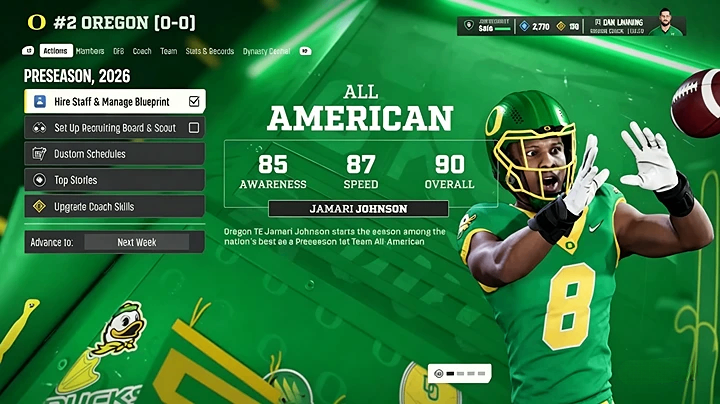
1. Create an NIL Plan Before Recruiting Starts
Before targeting recruits, build a simple NIL priority list.
Not every player deserves the same investment. Divide recruits into four groups:
Generational players
Must-have starters
Valuable depth pieces
Low-priority backups
For a generational recruit, do not start with a small offer and hope to catch up later. Top programs will usually make strong early offers, giving them an advantage.
For these players, starting around 1.75x the baseline NIL offer can help you compete immediately.
For normal must-have players, a smaller increase is usually enough. Around 1.35x to 1.5x baseline can provide an advantage without draining your budget.
For depth players, avoid overpaying. A smaller bonus near baseline can help you test interest before committing more resources.
Ask yourself:
“Do I need this player to build my team, or would I simply like to have him?”
That answer should decide your NIL investment.
2. Do Not Overreact to Recruiting Rankings
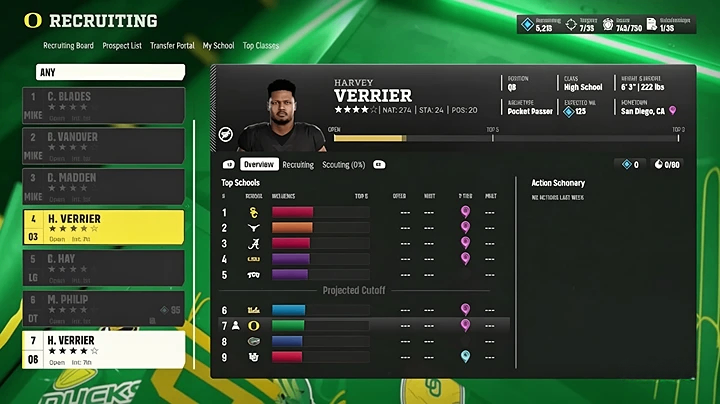
A common mistake in Dynasty Mode is abandoning a recruit because another team appears higher on the interest list.
In previous games, falling behind early often meant losing the battle. In CFB 27, NIL gives you more ways to change the situation.
A smaller program can still compete if it uses NIL efficiently and combines it with strong staff support.
For example, if a highly rated quarterback fits your system, a larger NIL investment can quickly improve your position. But if you spend that same amount on every recruit, your overall class will suffer.
The correct approach:
Target fewer important players.
Invest heavily where it matters.
Avoid wasting resources on unrealistic battles.
3. Balance Recruiting Hours With NIL Spending
Recruiting hours and NIL work together.
More recruiting hours can reduce how much NIL you need because consistent attention can maintain your advantage.
A simple rule:
Around 50 hours: you usually need stronger NIL offers.
Around 65 hours: the difference becomes smaller.
Around 80 hours: heavy recruiting time can compete with larger NIL investments.
However, do not spend maximum hours on every player.
If you have limited resources, prioritize:
Elite prospects
Positions of need
Players with realistic chances to sign
The goal is not to recruit the most players. The goal is to maximize the value of every hour and NIL point.
4. Use Staff Packages Based on Your Recruiting Style
Staff upgrades should match your strategy.
If you want to become an elite recruiter, extra recruiting hours become much more valuable. More hours allow you to compete for several top prospects without sacrificing attention.
However, smaller programs should be careful.
More hours do not automatically solve recruiting problems. If your NIL budget cannot support those additional recruits, extra hours may not provide much value.
A better question is:
“Can I afford to sign more players, or do I only have more time to chase them?”
If the answer is no, prioritize NIL improvements first.
5. Reduce NIL Costs With Long-Term Planning
Managing NIL is not only about winning current recruiting battles.
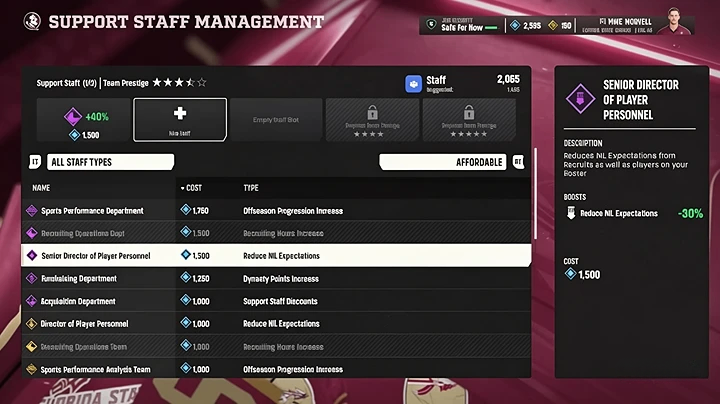
Support staff abilities that reduce NIL expectations can save resources over multiple seasons. This becomes especially important for programs trying to build a championship roster.
A strong recruiting setup can help you:
Spend less on similar recruits
Keep more talented players
Maintain roster quality during future seasons
For players who also manage Dynasty resources carefully, understanding the value of CFB 27 Coins and other progression resources can help with long-term roster planning instead of spending everything immediately.
Key Takeaways
Build an NIL priority system before offering every recruit.
Save large NIL investments for generational and must-have players.
Recruiting hours can replace some NIL spending when used correctly.
Do not chase every highly ranked recruit; focus on realistic targets.
Match staff upgrades with your recruiting strategy.
Efficient resource management creates stronger Dynasty rosters over time.
Conclusion
Successful recruiting in College Football 27 Dynasty Mode depends on efficiency. The best programs are not always the ones spending the most NIL or assigning the most hours. They are the teams that understand where every resource creates the biggest advantage.
By combining smart NIL offers, focused recruiting hours, and the right staff upgrades, you can build a competitive roster while avoiding unnecessary spending. Plan your targets carefully, adjust your strategy each season, and make every recruiting decision support your long-term Dynasty goals.