Weekend Drop -












Summary
CUT 27 Coins are only part of building a successful Dynasty. Many rebuilds fail because players leave unexpectedly, recruiting priorities become unfocused, or coaches invest resources in the wrong areas. If you're rebuilding a program like UCLA in College Football 27, this guide walks through every stage of the process—from selecting the right coaching archetype to managing NIL, recruiting, the Transfer Portal, and quarterback succession—so you can build a roster capable of competing for a national championship.
Why Do Most Dynasty Rebuilds Stall?
Many players focus only on overall ratings when rebuilding a roster. In reality, long-term success depends on keeping key players, replacing departing stars, and planning several seasons ahead.
Before your first season begins, ask yourself:
Can your current quarterback stay beyond this year?
Which positions lack long-term depth?
Are your staff abilities helping recruiting or retaining players?
Answering these questions early helps prevent rebuilding setbacks later.
How to Build a Championship Program
Step 1 – Choose the Right Coach Archetype
Your coaching style should match your program's current stage.
Tactician provides immediate on-field value by improving attributes such as:
Defensive line pursuit
Offensive line pass blocking
Wide receiver blocking
As your school develops, begin investing coaching points into Recruiter to improve scouting efficiency and recruiting success.
Later, Scheme Guru becomes a valuable option after meeting its unlock requirements.
Starting with immediate gameplay improvements creates a stronger foundation than focusing only on long-term upgrades.
Step 2 – Upgrade Facilities and Staff First
Before filling your recruiting board, improve the resources surrounding your program.
Prioritize:
Elite facilities
A recruiting coordinator with Reducing NIL Expectations
Staff upgrades that provide Reducing Hours for scouting
The platinum version of Reducing NIL Expectations lowers player expectations significantly, making it easier to retain impact players throughout multiple seasons.
These upgrades provide value long before signing day.
Step 3 – Recruit for Traits, Not Just Star Ratings
Recruiting rankings only tell part of the story.
A four-star gem may develop like a five-star player, while a four-star prospect marked with an X may have much lower potential.
At the same time, don't ignore talented three-star prospects.
When evaluating recruits, prioritize:
Speed
Acceleration
Elite abilities such as Shifty, House Call, and Safety Valve
For example, Rudy Bsby developed into a major contributor because of exceptional athletic traits rather than overall rating alone.
Always complete scouting before offering scholarships so your recruiting resources remain focused.
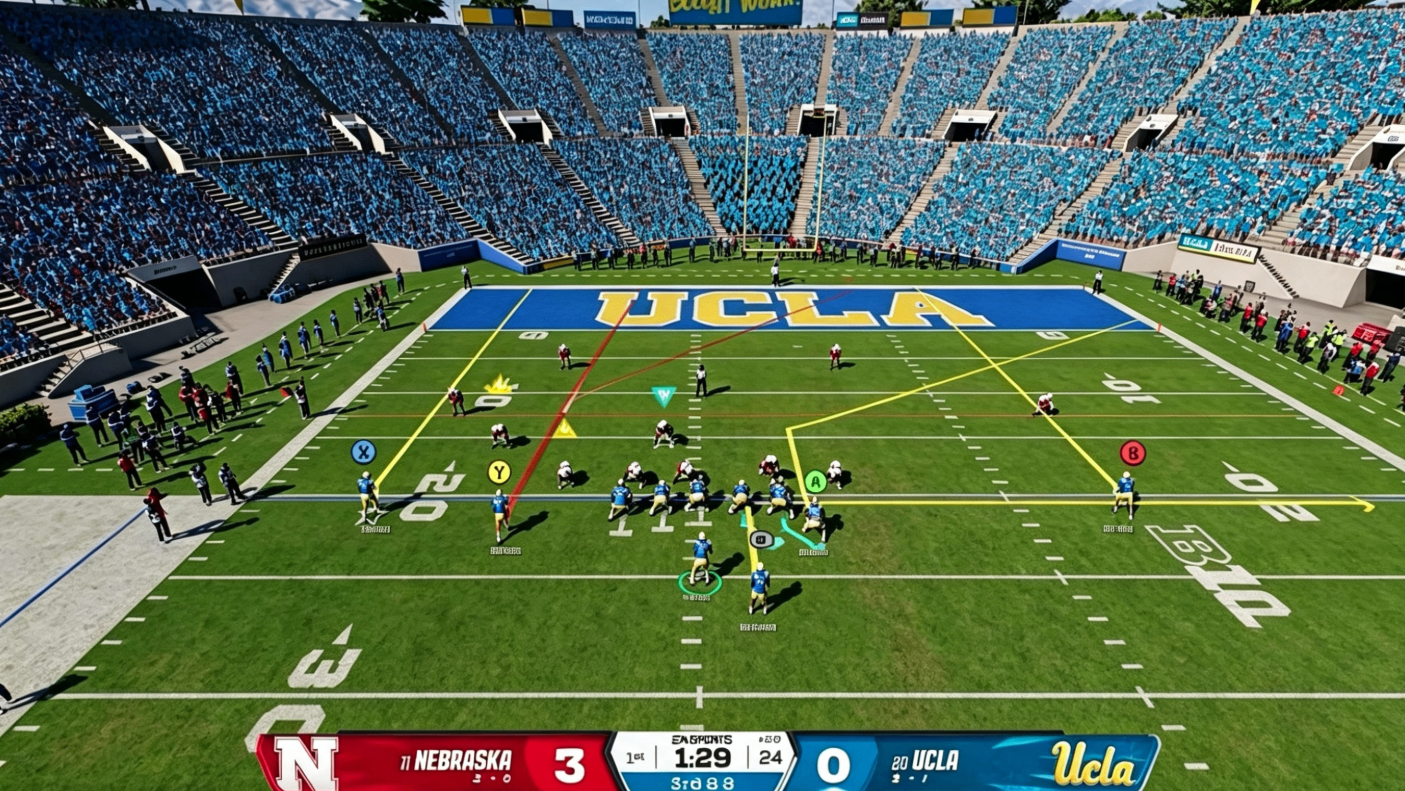
Step 4 – Use the Transfer Portal to Fill Immediate Needs
Even a successful recruiting class cannot replace every departing player.
If an important starter leaves unexpectedly, use the Transfer Portal to stabilize the roster.
Follow this sequence:
Identify positions with immediate depth concerns.
Target experienced juniors who are less likely to leave early.
Look for players with dealbreakers at their current school.
Prioritize positions where recent recruiting classes are weakest.
Adding Grayson Purden provided valuable stability while Alani Filamoatua continued developing into the program's long-term quarterback.
Step 5 – Build Around Elite Abilities
Overall ratings should never be your only evaluation tool.
Players with elite abilities often outperform higher-rated teammates.
For example:
Wayne Knight became one of the offense's most valuable players because of Platinum Shifty.
Devin Marman combined elite speed with game-changing big-play ability despite an unusual athletic profile.
When comparing similar players, ability tiers often make the difference during close games.
Step 6 – Adjust Your Game Management
Not every matchup requires the same strategy.
For routine opponents, Play the Moments allows you to progress through games efficiently.
For ranked opponents, rivalry games, conference championships, and College Football Playoff matchups, switch to full Coach Mode.
Against stronger opponents:
Control the clock.
Establish the running game.
Limit unnecessary risks.
Prevent late-game momentum swings.
Managing tempo becomes increasingly important on Heisman difficulty.
Step 7 – Manage NIL Expectations Early
Player retention starts well before the offseason.
Throughout the season:
Identify players with high NIL expectations.
Prioritize spending on impact starters.
Use staff abilities that reduce NIL demands.
Avoid committing excessive resources to backup players.
Investing wisely helps keep cornerstone players while maintaining flexibility for future recruiting classes.
Step 8 – Always Have a Quarterback Succession Plan
Quarterback departures can derail an entire rebuild.
A structured development plan reduces that risk.
Year 1
Start your veteran quarterback while recruiting his replacement.
Years 2–3
Use a transfer quarterback if necessary while developing a younger prospect.
Years 4–5
Transition to your long-term starter and continue developing another quarterback behind him.
Maintaining at least two capable quarterbacks protects your program from unexpected departures.
Correct Methods
To build a sustainable Dynasty:
Address NIL concerns before players consider transferring.
Assume elite juniors may leave early and prepare replacements.
Scout every recruit before offering scholarships.
Prioritize athletic traits and elite abilities over star ratings.
Switch between Play the Moments and Coach Mode based on the opponent.
Invest in recruiting staff and NIL management before expanding elsewhere.
Keep running the football if your offense consistently generates efficient rushing production.
Why Patience Wins Championships
Successful rebuilds rarely happen in one or two seasons.
In this seven-year rebuild:
Year 1: Reached the Big Ten Championship and won a playoff game.
Years 2–3: Rebuilt after losing the starting quarterback.
Years 4–5: Returned to conference contention.
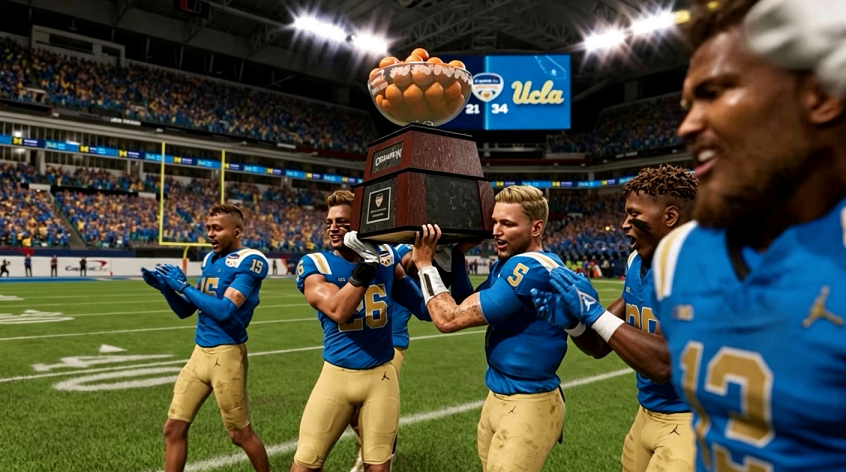
Years 6–7: Won the Big Ten, defeated Michigan twice, advanced through the Orange Bowl and Cotton Bowl, and defeated Texas A&M to win the national championship.
Each stage built upon the previous one instead of relying on quick fixes.
Key Takeaways
Build your coaching staff before aggressively recruiting.
Athletic traits and ability tiers matter more than overall ratings.
The Transfer Portal is essential for replacing unexpected departures.
Manage NIL expectations throughout the season instead of waiting until the offseason.
Develop multiple quarterbacks to protect your long-term plans.
Adjust your game management strategy based on the quality of your opponent.
Dynasty success comes from consistent planning across multiple seasons rather than one outstanding recruiting class.
Conclusion
Rebuilding a struggling program in College Football 27 requires more than signing highly rated recruits. Long-term success comes from balancing recruiting, player development, NIL management, coaching upgrades, and smart roster planning. Whether you're rebuilding UCLA or another program, following these steps will help you recover from unexpected departures, stay competitive in the Big Ten, and create a roster capable of competing for championships. Careful planning over multiple seasons will always produce better results than chasing short-term improvements, while making smarter use of your College Football 27 Coins.