






Summary
The Dark and Darker Rogue is looking seriously dangerous right now. A Rogue player’s latest run showed just how much pressure the class can create with Teleport, fast attacks, and smart positioning, especially for players managing their Dark And Darker Gold resources carefully. Even heavily geared opponents struggled to survive when the Rogue found the right opening, while Ranger and other strong builds still provided some brutal counterplay.
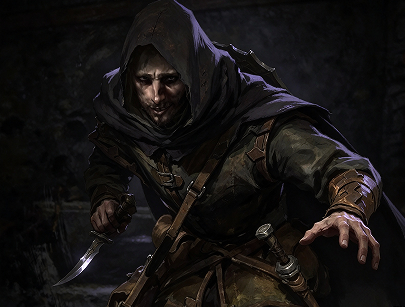
1. Rogue’s Teleport Is the Real Game Changer
The biggest strength shown throughout the run was Teleport.
The ability gives Rogue players an extremely powerful way to control distance. When the timing is right, Teleport can instantly turn a defensive situation into a kill opportunity.
It is especially effective when:
An enemy is already low HP
The opponent is trapped against terrain
A target tries to retreat
You need to escape another player
A fight needs to be repositioned quickly
The player repeatedly waited for the right moment instead of throwing Teleport away. That patience made several otherwise dangerous encounters much easier.
However, Teleport is not completely unstoppable. Missing the timing can leave Rogue vulnerable, especially against players who understand the class.
2. Rogue vs Ranger Is Still a Dangerous Matchup
One of the most difficult fights in the run involved a Ranger.
Ranger's short-range weapons can create serious problems for Rogue players. A Rogue may have superior mobility, but getting caught in the wrong position can quickly end the fight.
The key difference is spacing.
A Rogue wants to create an opening for Teleport and burst damage, while Ranger can punish aggressive approaches with fast attacks and ranged pressure.
That means Rogue players cannot simply rely on mobility. Reading the opponent's movement is still essential.
3. The Rogue Build Can Destroy Geared Players
Another major takeaway was how effective the Rogue setup remained against geared opponents.
The player repeatedly questioned whether enemies were heavily geared before committing to fights. That hesitation was justified, because one mistake against a well-equipped player can completely reverse the fight.
Yet the Rogue build consistently found opportunities to deal huge damage.
The combination of:
High burst potential
Teleport mobility
Fast attacks
Strong positioning
Careful cooldown management
made the class extremely dangerous in close-range encounters.
Even when opponents had better gear, the Rogue could still create winning situations by forcing them into bad positions.
4. Positioning Matters More Than Raw Gear
One of the most interesting parts of the run was how often positioning determined the outcome.
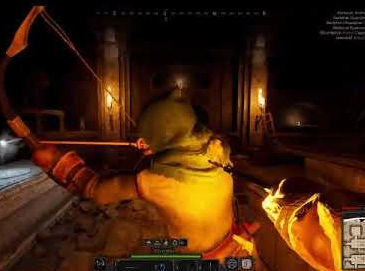
In several fights, the player deliberately waited instead of immediately attacking. Walls, bridges, mobs, doorways, and narrow areas all affected whether Teleport could be used effectively.
This is especially important because Teleport becomes much stronger when an opponent has limited escape routes.
A player trapped against a wall has far fewer options than someone fighting in an open room.
For Rogue players, this means the environment itself can become part of the build.
5. Cooldown Management Can Decide the Fight
The run also highlighted one of Rogue's biggest weaknesses: resource and cooldown management.
Using Teleport too early can leave the Rogue without its most important escape or offensive tool.
That became obvious during the longer fights. The player sometimes had to choose between using Teleport aggressively against one opponent or saving it for another threat.
This becomes even more important when multiple players enter the same fight.
A Rogue might win one duel but immediately face another geared player, Ranger, Warlock, or third-party attacker.
Saving cooldowns can therefore be more valuable than securing one quick kill.
6. Rogue Players Still Need Good Resource Management
The final stages of the run became increasingly difficult because resources were running low.
The player had limited healing, only a few knives remaining, and very little room for mistakes.
At that point, every attack mattered.
Instead of wasting valuable resources, the player waited for openings and tried to force the opponent into committing first.
This is an important lesson for Rogue players: winning the first exchange does not necessarily mean you have won the fight.
Long encounters can become resource battles, especially when both players are already low on recoverable health.
7. Dark and Darker’s PvP Is Extremely Unpredictable
The run also demonstrated why third-party fights can completely change a match.
Several encounters involved multiple players entering the same area, interrupting existing fights, or attacking weakened opponents.
A player who looks like an easy target can suddenly become the biggest threat when another geared player arrives.
For Rogue, this creates both danger and opportunity.
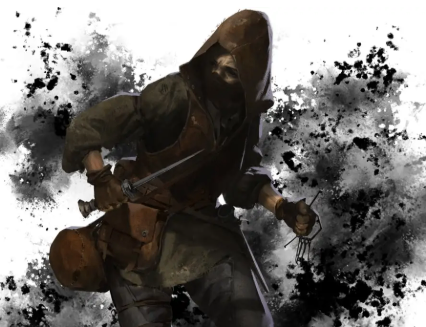
The class can hide, reposition, and wait for enemies to weaken each other before committing to the final attack.
Final Thoughts
This Rogue run shows why Dark and Darker Rogue can feel so oppressive in the right hands. Teleport gives the class exceptional control over positioning, while burst damage and fast attacks allow skilled players to punish even heavily geared opponents.
But the build is not simply about pressing Teleport and winning. Timing, positioning, cooldown management, healing, and resource conservation all matter.
Against Ranger, Warlock, or another experienced Rogue, one missed ability can completely change the fight.
For players looking to master Rogue, the biggest lesson is simple: don't rush the kill. Control the fight, wait for the opening, and make Teleport count. Players who want to stay prepared can also buy Dark And Darker Gold when they need additional resources.