






Summary: Getting better at Delta Force PvP is not always about playing more Operations. Sometimes the fastest way to improve is to take a step back, remove the fear of losing expensive gear, and fight as many players as possible.
That is exactly where Delta Force Hot Zone can help.
In the gameplay featured here, the main goal is not simply to win rounds. It is to fix poor positioning, get Delta Force Tekniq Alloy, improve decision-making and become more comfortable in the middle of chaotic gunfights. Hot Zone is built around compact, round-based PvP encounters, making it a useful environment for players who need more combat repetitions without the same gear pressure found in Operations.
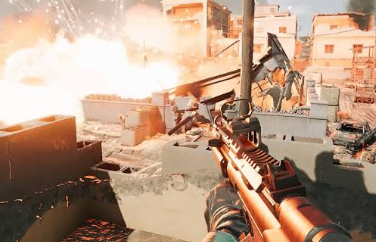
Why Delta Force Hot Zone Is So Good for Practice
The biggest advantage of Hot Zone is the amount of combat you can experience in a short session.
In Operations, you can spend a long time looting, rotating, searching for enemies and preparing for a fight. You may survive an entire raid and only get a few meaningful PvP engagements.
Hot Zone removes much of that downtime.
The gameplay analysis points out that a single hour can provide dramatically more fights and feedback than an hour of Operations. That creates more opportunities to notice mistakes, test different weapons and immediately try a different decision in the next round.
For newer players, this matters even more. You can learn Delta Force gunplay, operator abilities, recoil control, utility usage and close-range movement without constantly worrying about losing your best kit.
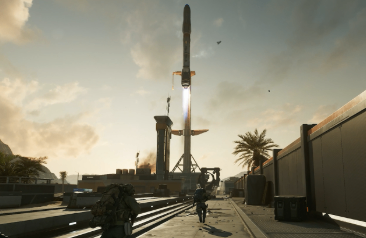
Focus on Positioning Before Aim
One of the biggest lessons from this gameplay is that bad positioning can make good aim irrelevant.
Several fights become difficult because the player realizes they are caught between multiple teams or standing in an exposed location. In one sequence, taking space between two groups creates unnecessary pressure, forcing a defensive reset.
A better approach is to ask three questions before moving:
Where can the enemy see me?
Where can I retreat?
What happens if another team arrives?
Small pieces of cover can completely change a fight. Holding a tight corner, playing around a doorway or taking a side angle can let you see an opponent before they see you.
Hot Zone is perfect for practicing this because you can repeatedly test the same ideas without waiting several minutes to find another enemy.
Use Utility to Create Better Fights
Delta Force PvP is not only about shooting first.
The video repeatedly demonstrates how utility can create an advantage before the actual gunfight begins. Smoke can remove sightlines, grenades can force players away from cover, and operator abilities can create opportunities to push or stall.
The important part is what happens after the utility is used.
Do not throw a grenade simply because you have one. Use it to accomplish something. Force an enemy away from a corner. Stop a revive. Create space for a teammate. Block a sightline before crossing.
This turns utility from random damage into a positioning tool.
The same principle applies to operators such as Tempest. Her aggressive kit is much more useful when you already understand how to create an opening instead of simply rushing forward.
Communication Can Win More Fights
Another major theme in the gameplay is communication.
A team can contain individually strong players and still struggle if nobody clearly communicates what they are doing.
Calls such as "knock left," "one mid," "pushing right," or "Tempest down" give teammates actionable information. More importantly, players should communicate their intention before making a risky play.
Instead of silently pushing an enemy position, tell teammates what you are trying to do and what they should watch for.
This becomes especially important when several teams are fighting in the same area. Clear information prevents teammates from making separate decisions that leave the squad split apart.
Hot Zone Is Also a Weapon Testing Lab
Another reason to play Delta Force Hot Zone is the opportunity to experiment with weapons.
The gameplay moves through guns including the Uzi, G18, G3, K437, M249, M82, AR-57 and others. That variety allows players to discover which weapons actually fit their playstyle instead of relying entirely on tier lists or other players' recommendations.
You can test recoil, effective range, hip-fire, reload timing and how a weapon feels when an enemy suddenly appears at close range.
That knowledge transfers directly into Operations.
A weapon that feels uncomfortable in Hot Zone will probably become even harder to use when you are carrying a valuable kit and fighting with limited opportunities to practice.
Stop Repeating the Same Mistakes
The most valuable part of Hot Zone is not the wins. It is the feedback.
When you die, ask why.
Were you too exposed? Did you push without enough information? Did you split from the team? Did you waste your utility? Did you forget to reset your armor and position before re-engaging?
The gameplay repeatedly shows these moments in real time, including situations where the player recognizes a poor push, fails to communicate, or takes too long to reset.
That self-analysis is what turns Hot Zone from a simple PvP mode into a training tool.
Final Delta Force Hot Zone Tips
For players trying to improve at Delta Force PvP, Hot Zone offers a simple training loop: fight, make a mistake, identify it, and immediately try again.
Focus first on positioning and decision-making rather than chasing perfect aim. Learn to use cover, communicate before pushing, spend utility with a purpose and recognize when a fight is no longer worth taking.
Then take those lessons into Operations.
The current Reorientation season continues to receive gameplay updates, so improving these fundamentals now and buy Delta Force Tekniq Alloy can also help players adapt as the wider Delta Force meta changes.