






Summary
Fracturing Orbs are among the most valuable POE2 Currency in Path of Exile 2, and with current prices exceeding 10 divines each, mastering an efficient farming strategy can yield over 100 divines per hour. This guide breaks down a proven method that combines Sacred Bloom, Delirium, Ritual, and Wildwood wisp collection into a single, highly profitable loop.
Why Fracturing Orbs Matter
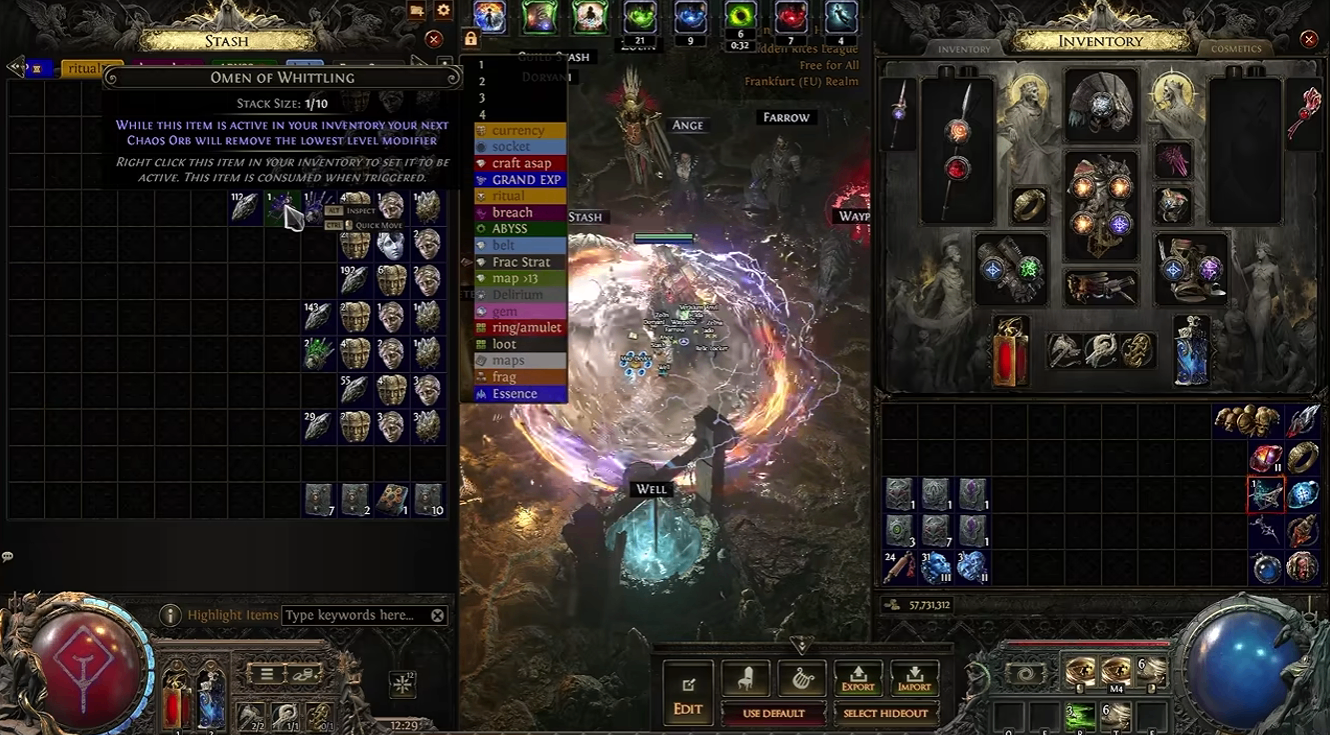
Fracturing Orbs are used to lock a modifier on an item, making them essential for high-end crafting. Because demand consistently outpaces supply, their price remains high throughout the season. The strategy outlined here focuses on Corrupted Nexus maps, where cleansed monsters have a chance to drop Fracturing Orbs directly.
Tablet Setup
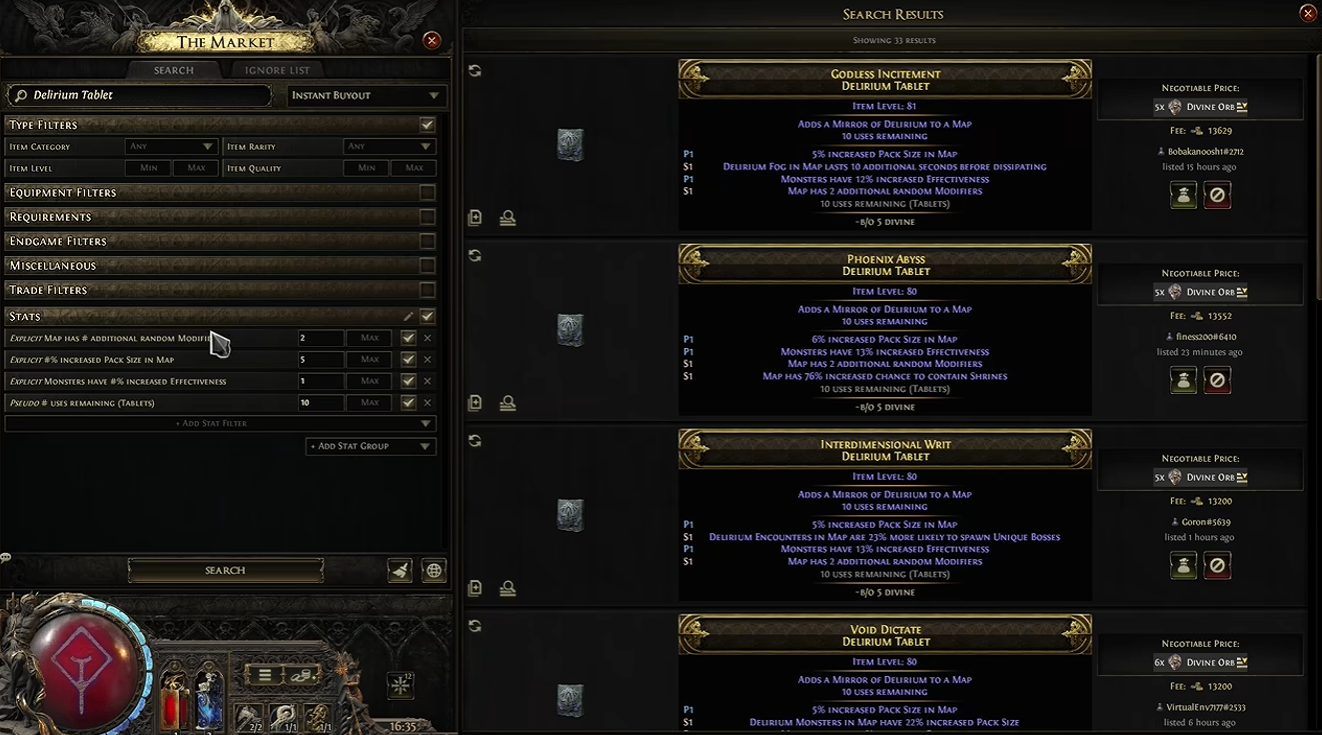
Modifier Requirements
Two random modifiers on your tablets are mandatory. Beyond that, prioritize these modifiers in order:
Pack Size — Very good, increases monster density
Effectiveness — Fine, boosts overall tablet impact
Rarity — A budget alternative if Pack Size and Effectiveness tablets are expensive
You can use any two of these three, but the two random modifiers are non-negotiable.
Recommended Tablet Types
Use three different tablet types to maximize your Atlas bonus:
Delirium Tablet (primary)
Ritual Tablet (secondary)
Breach Tablet (third slot)
Running three different tablet types grants 24% increased effect of modifiers on tablets, which is a significant boost.
Map Rolling
When rolling your maps, aim for:
+100 Monster Rarity, or
Pack Size
Either works well, but Monster Rarity pairs particularly nicely with the cleansed monster mechanic.
The Sacred Bloom Mechanic
Sacred Bloom is the cornerstone of this farm. When applied to a map, it affects connected maps as well. In the example route, the four connected maps are White Wood, which makes finding Corrupted Nexus maps very easy—they're extremely common in this region.
How It Works
Apply Sacred Bloom to a map
Run the Corrupted Nexus
After completing the Corrupted Nexus, corrupted maps become cleansed
Cleansed monsters drop Fracturing Orbs
Cleansed monsters also drop more currencies overall, including divines
Atlas Tree Configuration
The Atlas tree should be built around three priorities: rare monster density, pack size, and summoning circle synergy.
Key Nodes
Node | Purpose |
Increased chance for additional rare monster | More rares = more Fracturing Orb chances |
Additional modifier for magic monsters | Increases pack quality |
Pack Size | Boosts overall density |
Summoning Circle (x2) | Synergy with the 5% Fracturing Orb node |
Rarity | Improves drop quality |
Effectiveness | Boosts tablet impact |
Rare Monsters | More possession and drop targets |
The Summoning Circle Synergy
The critical node here is the 5% chance to get a Fracturing Orb from bosses in Summoning Circle that have additional monster modifier. This is why you spec into Summoning Circle twice.
Supporting nodes:
Powerful Map Bosses gives a Summoning Circle — maximizes your chance to spawn circles
45% chance to do Summoning Circle twice — doubles your boss encounters
Master Choice
Among the three masters, Hilda has produced the best results for this strategy.
Wildwood Wisp Collection
Before entering your maps, go to the Wildwood and collect as many wisps as possible.
Wisp Priority Order
Sacred Wisps (highest priority)
Golden Wisps
Purple Wisps
Blue Wisps
Wisps collected in the Wildwood carry into your maps and enhance your rewards. The omens you collect along the way are also valuable—approximately 4 divines each—and can be converted to divine orbs for additional profit.