






Diablo 2 rewards patient explorers with hidden gates, forgotten hubs, rare map features, and stories buried beneath routine farming. Have you seen the true Monastery Gate? Did you know stained glass can count as monsters? Why does a quiet corner of Kurast matter to the old trading scene? This guide turns overlooked locations into a practical exploration route, covering Cathedral secrets, transfer zones, thief tactics, Act Four oddities, Hellforge mysteries, and safe trading habits. You will learn where to look, what each landmark means, how to investigate efficiently, and which dangers are historical rather than combat threats. For curious adventurers.
Start by Exploring Beyond the Quest Marker
Diablo 2 is full of locations that serve no obvious gameplay purpose. Some contain no quest, no vendor, no boss, and no valuable chest. Yet these spaces reveal how the world was designed, how players used to interact, and how much content remains hidden behind ordinary dungeon routes.
When exploring, avoid rushing directly from waypoint to objective. Check distant corners, unusual structures, isolated buildings, blocked paths, and areas that appear too detailed for their importance. These locations often reward curiosity with environmental storytelling rather than loot.
Find the Real Monastery Gate
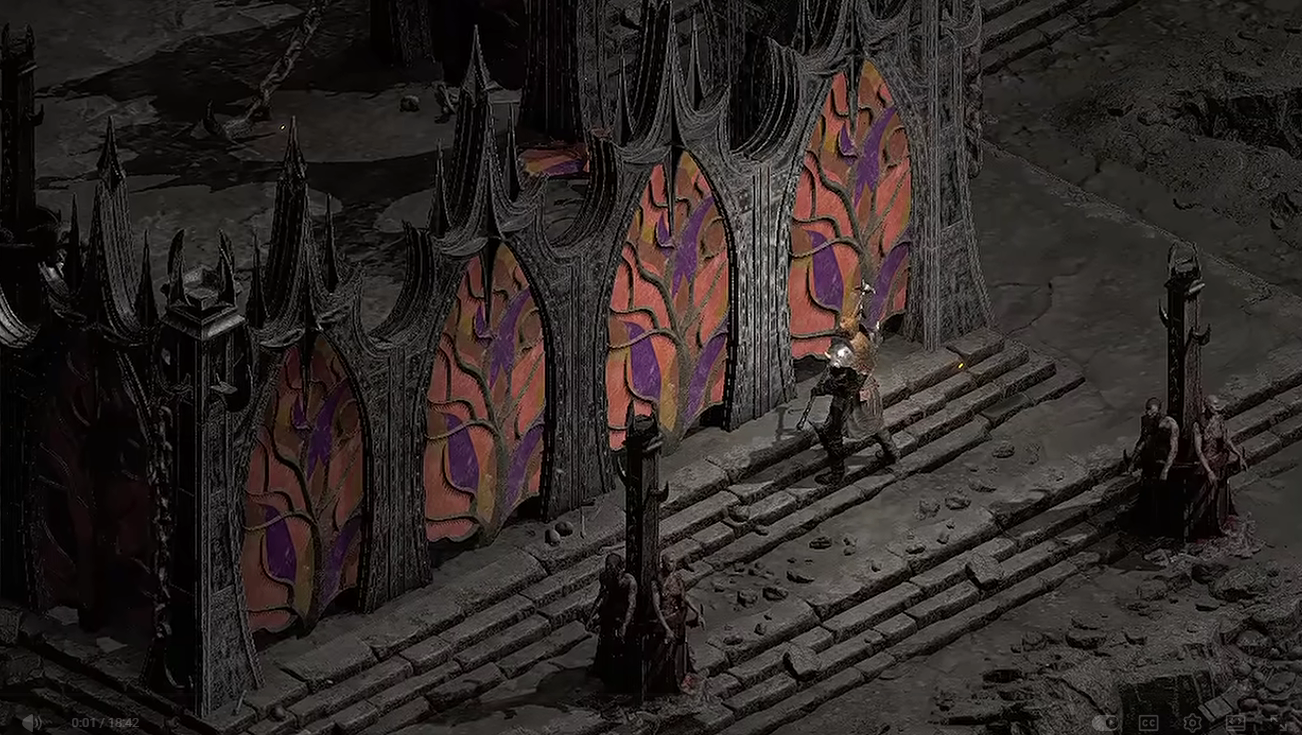
The Tamoe Highland contains a rare structure that many players mistake for scenery: the true Monastery Gate. It is positioned far down, and to the right, away from the route most players take toward the Rogue Monastery.
The gate is more than an impressive piece of architecture. It represents the barrier that blocks passage east after the Wanderer travels through the region. Andariel’s presence in the Monastery is directly connected to this sealed route, making the gate an important visual link to Act One’s story.
Exploration tip: During Terror Zones or high-level farming, scan the outer edges of the Tamoe Highland instead of following the shortest path. The gate does not appear in every game, so patience is essential.
Use the Gate to Understand Act One
Warriv repeatedly mentions that the road east is blocked. That line is easy to ignore during a normal playthrough, but the Monastery Gate provides a physical explanation for it.
After Andariel is defeated, the quest text says, “Let the gate be opened.” The game does not turn the gate into a usable passage, but the connection is still meaningful. This is environmental storytelling through architecture, dialogue, and quest progression.
A secret entrance to Act Two would have been an incredible post-Andariel reward. Imagine returning to the gate after the battle and finding it open. Although that feature never became part of the standard journey, the structure still helps complete Act One’s narrative.
Search the Cathedral for Forgotten Details
The Cathedral is a small section of the Monastery that most players cross without stopping. Slow down and inspect the walls, corners, and decorative objects. This area was once connected to the Sisters of the Sightless Eye and functions as a symbolic spiritual center for the Rogue faction.
One of the most striking details is the Bayeux Tapestry, which depicts the Norman Conquest of England. Its presence feels completely unexpected in Sanctuary, but that contrast is exactly what makes it memorable. The tapestry introduces historical and religious imagery into a game built around corruption, demons, and fallen institutions.
Key insight: Diablo 2 often uses familiar religious symbols to create tension. A cathedral may represent faith, but it also stands as a reminder of how easily sacred places can be invaded and corrupted.
Treat the Cathedral as a Historical Hub
The Cathedral was not simply decorative. It appears to represent the original base of the Rogue faction before the Monastery fell and the survivors moved to the Rogue Encampment.
This makes the area valuable for lore-focused exploration. Vendors, services, and other town functions could have been connected to this location in an earlier stage of development. The unused layout gives players a glimpse of how the game’s world may have been organized before the final structure was established.
Some community servers and modified experiences have also used the Cathedral as a starting hub, showing how naturally the space works as a central town area. Look for strange portals, unused assets, and unusual architectural connections when examining areas that were never fully integrated into the main campaign.
Investigate the Quiet Corners of Kurast
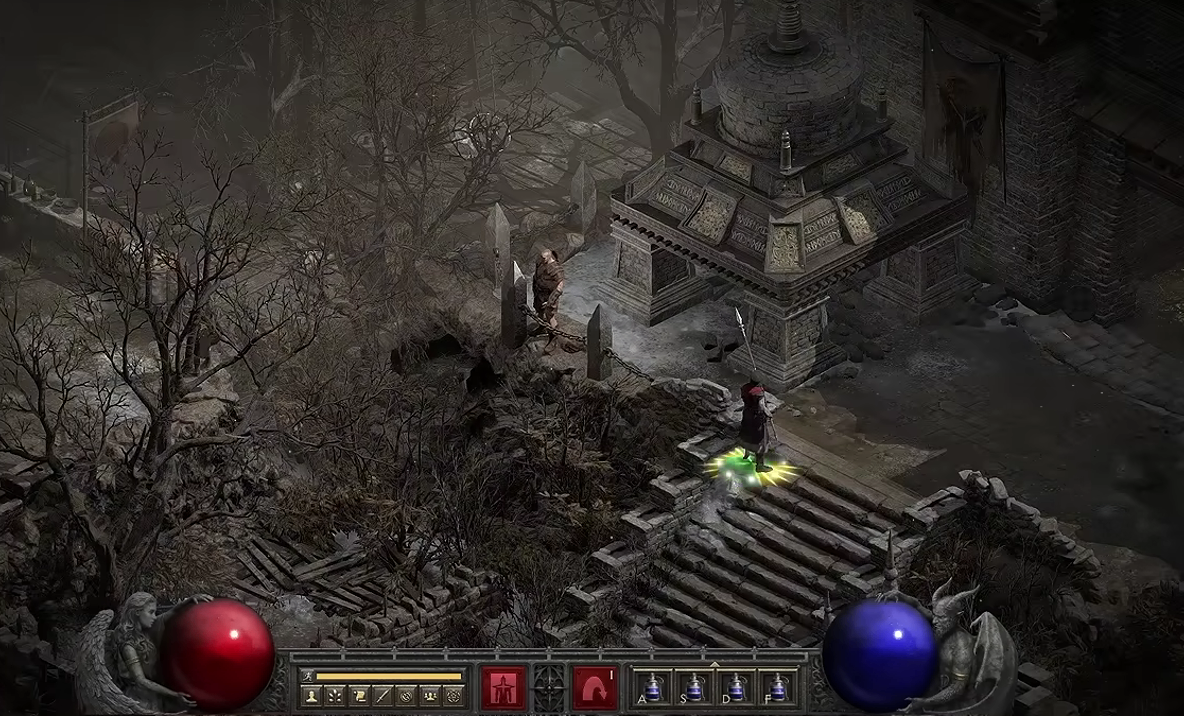
Act Three contains a forgettable lower section of Kurast that seems to offer little beyond space and a temporary NPC. Natalia may appear there for part of the act, but the real historical importance of the area comes from how players used it.
The isolated campfire is especially interesting. It resembles a gathering point, yet no crowd ever forms around it. That silence reflects the area’s real purpose during Diablo 2’s early online years.
Before shared storage became convenient, players needed ways to move items between characters. They would drop equipment in a safe-looking area, leave the game, and return with another character. Obscure corners became temporary storage points because fewer strangers were likely to discover the items.
Understand the Old Muling Problem
Item transfers were risky. If a game disappeared or another player found the dropped equipment, the owner could lose everything. Players often relied on trusted friends, private games, or public games with enough activity to keep the session alive.
This practice created a unique part of Diablo 2’s multiplayer culture. Players memorized quiet locations, watched entrances, and learned which town corners were less exposed. The lower Kurast area became one of several informal transfer spots because it was distant, quiet, and rarely visited during normal play.
Buy D2R Items at mmoexp, save your sanity, and enjoy the real endgame.
Recognize the Forgotten Thief Builds
The old transfer system also created opportunities for thieves. A player could wait for someone to drop valuable equipment, then rush in and steal it before the owner returned with another character.
Assassins were especially effective because Burst of Speed improved their movement speed. Since teleportation was unavailable in town, raw running ability mattered enormously. A well-equipped Assassin could cross town faster than most characters and escape before the victim could react.
Sorceresses offered a different strategy. Players could keep a high Faster Cast Rate setup ready for situations outside town, where teleportation became possible. Some thieves even used multiple game clients, leaving low-level characters in parking games while monitoring potential transfer targets with another character.
Historical lesson: These tactics are mostly relics of early online play, but they explain why Diablo 2 players treated every public game and dropped cheap D2R Ladder Items with suspicion.
Explore Act Four’s River of Flame
Act Four was developed under significant time pressure, yet the River of Flame remains one of the game’s most atmospheric locations. Its environmental details deserve more attention than they usually receive.
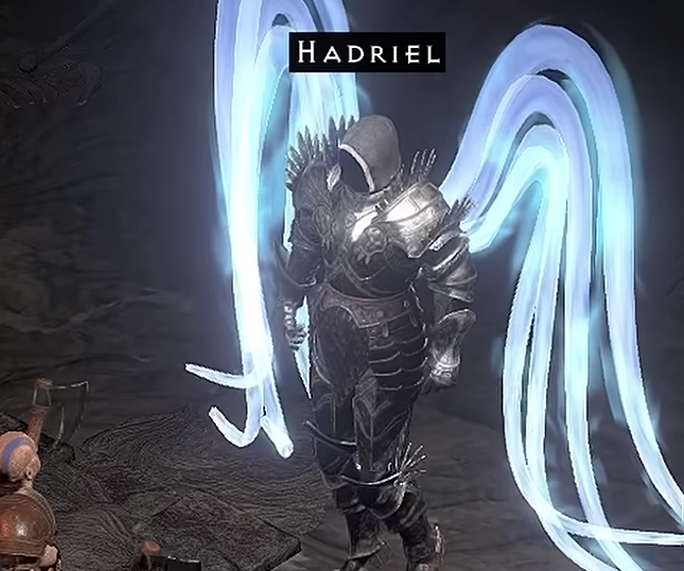
Look for the knockback flares, the statues that appear to follow your movement, and the angel standing in the middle of Hell. These details create an uneasy contrast between celestial imagery and demonic surroundings.
The area also contains the Hellforge, where Mephisto’s Soulstone is destroyed. That event is central to the campaign, but the surrounding scenery suggests that Act Four may once have been planned with greater depth.
Compare the Real Hellforge with the False Forge
Some map layouts contain a structure that resembles the Hellforge but is not the actual quest location. This false forge is one of the strangest examples of Diablo 2’s unused or underdeveloped environmental