





Building an effective Warlock in Diablo 4: Lord of Hatred requires more than simply selecting powerful skills. The class combines complex skill tags, Soul Shard interactions, Dominance management, and specialized equipment choices. By focusing on the right build structure, resource control, defensive layers, and damage scaling, players can create a Warlock setup that performs consistently across both leveling and high Torment content.
This guide focuses on practical strategies to help players avoid common mistakes and maximize the potential of this new class.
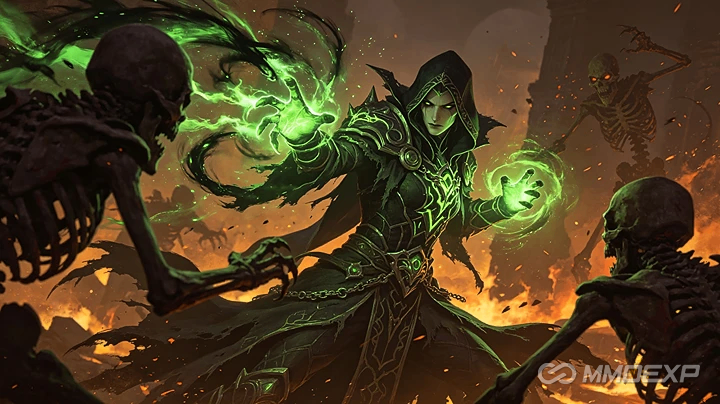
Step 1: Choose a Core Skill Theme Before Expanding Your Build
The foundation of every strong Warlock build begins with a clear damage direction. Because the class offers many combinations between Demonology, Hellfire, Lesser Demon mechanics, Soul Shards, and Legendary Aspects, trying to use too many systems at once can reduce overall effectiveness.
Start by selecting one main damage skill and build around its tags.
For example, players using Blazing Scream as their primary clearing ability should prioritize bonuses connected to:
· Demonology damage scaling
· Hellfire effects
· Lesser Demon bonuses
· Area damage improvements
The goal is not to make every skill equally powerful. Instead, supporting abilities should strengthen your main damage source by providing crowd control, resource generation, or defensive utility.
Once the main skill structure is established, additional mechanics can be added based on your preferred playstyle and available equipment.
A focused skill theme creates a stronger foundation because every upgrade contributes directly to improving your overall performance.
Step 2: Optimize Dominance Management for Consistent Ability Usage
Dominance is one of the most important resources for many Warlock builds. Powerful abilities such as Greater Demon summons and Arch Fiend skills rely on effective Dominance management, making resource planning a major part of successful gameplay.
The main challenge is that Dominance generation is limited compared with traditional resources. Spending it without proper planning can leave your build unable to access its strongest abilities during important fights.
Several methods can improve Dominance efficiency.
The first option is increasing resource generation through abilities such as Command Fallen. Combined with suitable Soul Shard effects, these mechanics can significantly improve your ability uptime.
The Horizont set is another valuable option because it can enhance Dominance regeneration when paired with specific Soul Shard interactions.
The second option is reducing your dependence on Dominance entirely. Certain Unique items and alternative mechanics can modify skill costs or provide different resource solutions, allowing for smoother combat rotations.
A successful Warlock setup should always balance powerful abilities with a resource system that can support them consistently.
Step 3: Build Defensive Layers Before Pushing Higher Torment Levels
Many Warlock builds struggle in difficult content because they invest heavily into damage while ignoring survivability. However, surviving longer directly improves your total damage output because you can continue attacking instead of constantly recovering from deaths.
The Warlock has several defensive options that can greatly improve consistency.
One of the strongest choices for many builds is Demon Form, which provides increased maximum life and additional defensive benefits. Maintaining this defensive state allows players to stay active during dangerous encounters.
Other valuable defensive tools include:
· Tortured Wretch summons for additional protection and battlefield control
· Dark Prison effects for controlling enemy pressure
· Defensive Legendary Aspects that reduce incoming damage
When preparing for higher Torment difficulties, defensive investment should be considered part of your damage strategy. A balanced Warlock can maintain skill rotations longer and handle stronger enemies more reliably.
Step 4: Improve Combat Efficiency Through Attack Speed Optimization
Attack speed is one of the most important stats for improving the Warlock’s overall gameplay experience. While some players may find the class slower because of casting animations, proper attack speed investment can significantly improve combat flow.
Attack speed provides several benefits:
· Faster skill execution
· Smoother ability combinations
· Reduced downtime between attacks
· More efficient combat rotations
The most valuable equipment slots for attack speed improvements include:
· Weapons
· Gloves
· Rings
Higher attack speed allows Warlocks to chain abilities together more effectively, especially during fast-paced encounters where timing and positioning matter.
Advanced players can further improve performance by learning how different skills interact during animations. Efficient skill timing can increase both damage output and resource management without requiring a completely different build.
Step 5: Focus All Scaling Around One Main Damage Source
One of the biggest mistakes in Warlock build creation is attempting to make every ability a major damage option. While many skills appear powerful individually, spreading resources across multiple unrelated abilities usually lowers the final strength of the build.
The strongest Warlock setups generally revolve around one primary damage source supported by several complementary mechanics.
For example, if a Unique item or Legendary Aspect significantly improves Blazing Scream, then the build should prioritize:
· Demonology bonuses
· Lesser Demon scaling
· Compatible Soul Shard effects
· Related damage modifiers
Supporting skills should have specific roles rather than competing for resources. They should improve damage consistency, generate resources, control enemies, or provide defensive support.
A focused scaling approach also makes equipment upgrades easier because players can clearly identify which stats and effects provide the greatest improvement.
What Makes This Warlock Approach Effective?
Unlike builds that rely on random combinations of powerful abilities, a focused Warlock setup generates value from multiple systems working together.
The main advantages include:
· More consistent damage scaling
· Better resource management
· Improved survivability
· Smoother combat rotations
· Easier equipment optimization
A well-designed Warlock build does not depend on a single mechanic. Instead, skill selection, resource generation, defensive tools, and equipment bonuses work together to create a complete combat system.
Upgrade Your Build Through Smart Equipment Choices
Equipment optimization is one of the final steps in improving Warlock performance. Simply choosing items with higher numbers is not always the best solution. The most valuable upgrades are those that directly improve your chosen build direction.
Prioritize:
Legendary Aspects
Choose effects that strengthen your primary damage skill or improve important defensive and resource mechanics.
Soul Shards
Select combinations that enhance your main abilities, improve Dominance generation, or solve resource problems.
Unique Diablo 4 Items
When a Unique item dramatically improves one ability, consider adjusting your build around that item instead of forcing it into an unrelated setup.
As your character progresses, small improvements to synergy often provide greater results than replacing individual pieces without considering the overall build structure.
Final Thoughts
The Warlock in Diablo 4: Lord of Hatred rewards players who understand how different systems work together. Rather than creating a build based on individual powerful skills, focus on building around one main damage source, maintaining reliable Dominance generation, adding defensive layers, and optimizing combat speed.
With the right structure, the Warlock becomes a flexible and powerful class capable of handling both regular content and demanding Torment challenges. Careful planning before investing heavily into skills and equipment will make progression smoother and allow the class’s full potential to be realized.