







Summary
Diablo 4 has now reached its three-year milestone, with the second expansion "Lord of Hatred" already entering its second season (Season 14 overall). While the expansion appears successful on the surface, player retention remains a significant challenge—even as some players turn to third-party platforms for Diablo 4 Items for sale to shortcut the grind, the underlying issues persist. This article examines the core issues driving players away and offers constructive observations about the game's current trajectory.
Part 1: What the Expansion Actually Added
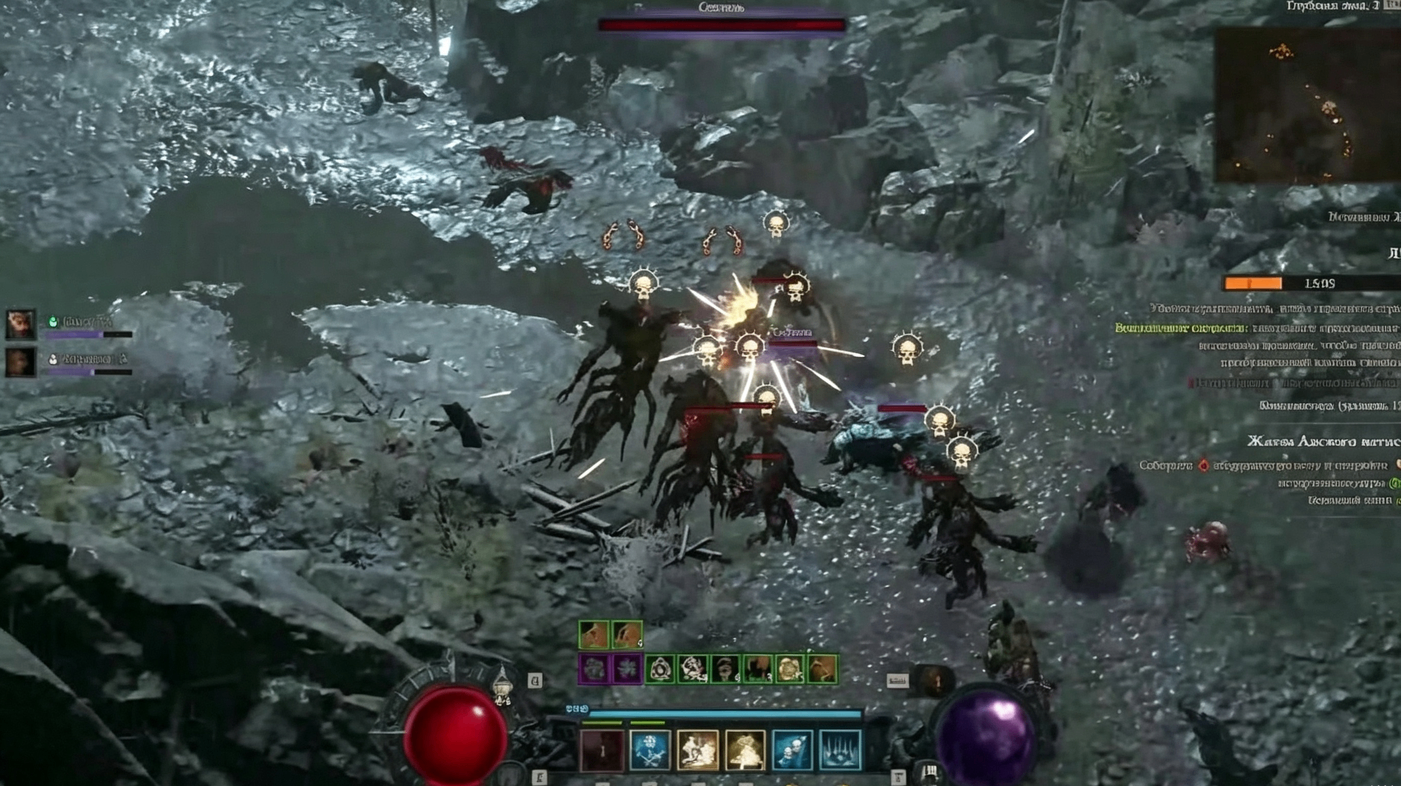
When evaluating the "Lord of Hatred" expansion honestly, we must acknowledge its content limitations:
One new major content piece (the campaign)
Two new character classes
Quality-of-life features: War Plans, Sets, Cube system
Supporting content enabled by War Plan passives
Campaign Assessment: The story campaign is superior to the previous expansion's narrative. In terms of intensity and drama, it ranks slightly below the original campaign—but this is subjective. However, campaign content has limited replay value: it's experienced once, perhaps revisited annually at most.
Part 2: The Endgame Problem
The True Appeal of ARPGs
The enduring appeal of Diablo 4 must come from its endgame content and, more critically, its seasonal variety. The game already offers substantial endgame activities—enough content exists to keep players busy. The problem isn't quantity; it's the repetitive nature of grinding the same content without meaningful variation.
The Core Issue: Players need season-specific content to maintain interest. The absence of engaging seasonal mechanics directly correlates with player exodus.
Part 3: The War Plan Dilemma
A System That Discourages Alt Characters
The War Plan system presents a significant barrier to character diversity:
Progression grind: Casual players invest considerable time leveling War Plans
Per-character reset: Even when creating a new character of the same class, players must restart War Plan progression
Demotivation factor: This repetition actively discourages players from experimenting with alts
The Consequence: Players stick with their main characters for 30-100+ hours until boredom sets in, rather than exploring different gameplay styles through alts.
Proposed Solution: If War Plans were account-wide rather than character-specific, players would have greater incentive to:
Try different classes
Experience varied gameplay styles
Extend overall engagement with each season
Part 4: Seasonal Content Quality Decline
The Sterilization of Seasonal Mechanics
Many players who once criticized "Powers" mechanics now long for their return. Looking at recent seasons:
Season | Assessment |
Season 13 | Effectively nonexistent (expansion launch) |
Season 14 | Minimal impact—essentially "Season of Ancestral Items" |
Season 15 (projected) | Promises similar emptiness |
The Problem: Seasonal themes are increasingly hollow and quickly exhausted. Players can experience new seasonal features in 20-30 minutes, then realize they're simply repeating familiar gameplay loops with minor cosmetic changes.
Part 5: The Innovation Gap
Comparing to Competitors
Path of Exile Approach:
Developers continuously introduce new mechanics
Experimentation is encouraged, even when features miss the mark
Innovation drives player curiosity and retention
Blizzard's Current Strategy:
Overly sterile, risk-averse seasonal content
Heavy reliance on mechanics imported from Diablo 3
Borrowed concepts presented with minimal variation
The Dilemma: Diablo 3 was a separate, standalone game, yet Diablo 4 has transferred approximately 99% of its mechanics rather than creating truly fresh experiences. While borrowing isn't inherently problematic, the lack of meaningful innovation creates a "been there, done that" feeling for veteran players.
Part 6: Monetization and Content Disparity
The Paid vs. Free Content Imbalance
Content Type | Cost | Value Delivered |
Expansions | Paid | Substantial new content |
Seasons | Free | Minimal new mechanics |
Current Trend: Expansions deliver meaningful content; seasons deliver "puffs" of content at best. For players who only engage with free seasonal content, the experience feels increasingly unrewarding.
Part 7: Player Retention Patterns
What the Data Shows
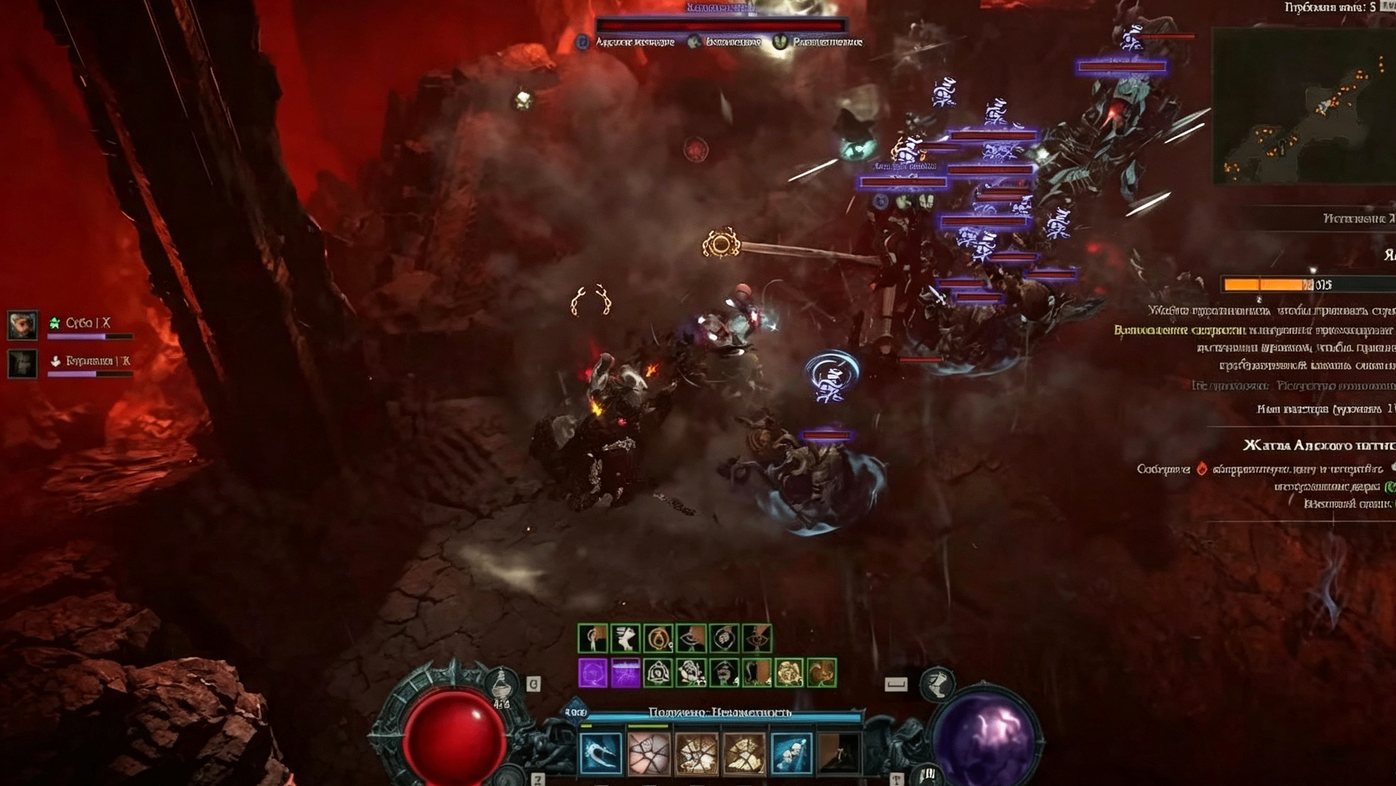
Observing player behavior through platforms like SteamDB reveals:
Pattern: Players only maintain engagement during major content releases—specifically expansion launches. Both the previous and current expansions generated renewed interest, but seasonal engagement fades rapidly.
Typical Player Lifecycle:
Week 1: Peak engagement, exploring new season content
Week 2-3: Gradual decline
Week 4: Significant population drop
Remainder: Hardcore players, RMT participants, and casual players (30 minutes daily)
Part 8: Broader Industry Context
This isn't an isolated Diablo 4 phenomenon:
Path of Exile 1 & 2 face similar retention challenges
Diablo 3 experienced identical patterns during its lifecycle
Online ARPGs naturally see player bases fluctuate
However, the critical distinction lies in mechanical innovation. When developers introduce genuinely new mechanics—not just palette swaps of existing content—player engagement improves significantly.
Conclusion: Where Do We Go From Here?
Three Key Takeaways
Repetition fatigue: After three years, "Hellwaves" and additional bosses no longer excite players. The formula has grown stale.
Innovation required: Players need new mechanics—not recycled content from Diablo 3 with different colors and names.
Structural changes needed: Account-wide War Plans would encourage alt experimentation and extend seasonal engagement.
The Core Question
Can Blizzard's development team embrace experimentation? Or do management decisions prevent meaningful innovation?
Whether due to talent limitations, management priorities, or corporate culture, the current trajectory suggests continued player attrition until the next expansion—assuming one is developed. Many players turn to Diablo 4 Items from platforms like MMOEXP to bypass the grind, yet this only masks the deeper issue of stagnant seasonal content.
Final Perspective: Online games naturally experience player churn. Three years post-launch, the current 2-3 week season participation cycle is typical. Yet the pattern remains disappointing for players who remember when seasonal mechanics genuinely reshaped gameplay.
The question remains: will Blizzard invest in innovation, or continue offering recycled content in different colors?