Weekend Drop -










Summary
This guide details how to defeat Elden Ring's Fire Giant, a pivotal late-game boss in the Mountaintops of the Giants required for main story progression. It recommends levels 100-120, proper flasks, frost/bleed weapons, and tanky spirit ashes. The fight has two distinct phases with unique melee and fire attacks, demanding smart positioning and patient strikes on weak points. It covers useful items, common mistakes, and post-victory rewards. Underleveled players can buy Elden Ring Runes to upgrade gear and prepare adequately for this tough, pattern-dependent boss battle.
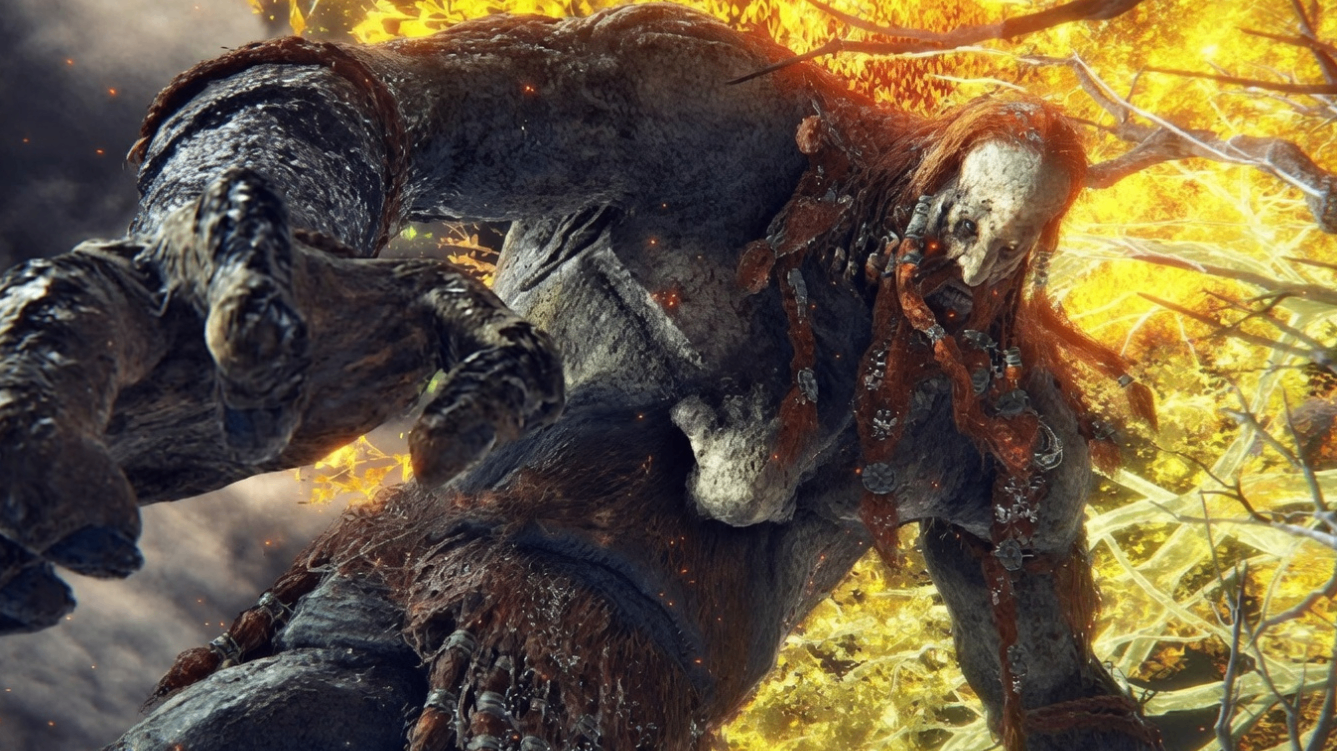
The Fire Giant stands as one of the most memorable and demanding bosses in Elden Ring. Located deep in the Mountaintops of the Giants, this colossal foe tests your patience, positioning, and resource management. Defeating him is required to progress toward the Forge of the Giants and the later stages of the main story. This guide covers preparation, both phases of the fight, useful tactics, and common pitfalls so you can overcome the challenge efficiently.
Finding the Fire Giant
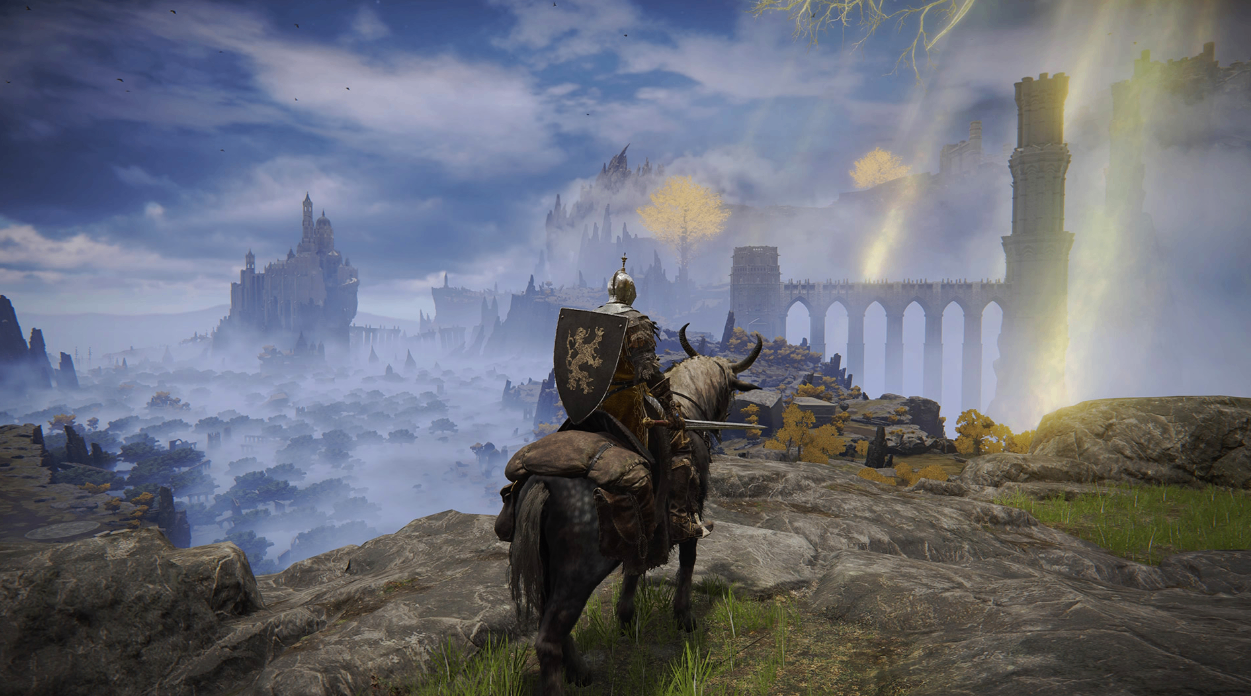
After reaching the Mountaintops of the Giants via the Grand Lift of Rold, continue northeast through the snowy expanse. Follow the path past the Guardians' Garrison and the Freezing Lake until you arrive at the Giant's Mountaintop Catacombs area and the surrounding ridges. The boss arena sits at the edge of a massive plateau near the Foot of the Forge Site of Grace. Activate that Site of Grace before entering the fog gate. The open space gives the Fire Giant room to move, so expect long travel distances between attacks.
Recommended Level and Build Preparation
Most players face the Fire Giant around level 100 to 120. Strength or quality builds with heavy weapons perform well because the boss has large hitboxes that reward charged heavy attacks. Dexterity or intelligence builds can also succeed with careful spacing and ranged options. Faith users benefit from lightning or freeze-inflicting spells that exploit certain openings.
Before the fight, stock up on flasks. Allocate more Crimson Tears if you tend to take heavy hits, or prioritize Cerulean Tears if you rely on spells or skills. Bring a solid shield for blocking residual fire damage and a weapon that can apply Frostbite or Bleed for extra pressure. Summons such as Mimic Tear or other tanky spirits help draw attention, especially in the second phase when the arena becomes more chaotic.
If your character feels under-leveled or short on upgrade materials, farming Elden Ring Runes becomes useful. The Mountaintops offer several high-yield spots for rune farming, but if time is limited some players choose to buy Elden Ring Runes to reach the recommended level and upgrade weapons faster. A well-prepared Tarnished enters the arena with at least +15 to +20 weapons and appropriate talismans such as the Bull-Goat set for poise or the Ritual Sword Talisman for damage when at full health.
Phase One: The Giant on Two Legs
The first phase begins with the Fire Giant standing upright and using a combination of sweeping club attacks, stomps, and fire-based abilities. His club swings cover wide arcs. Stay near his feet or circle to his left side to avoid the longest reach of the weapon. When he raises the club high for a vertical smash, roll toward him rather than away; this often places you safely under his legs.
Watch for the stomp attacks. He lifts one foot and brings it down with a delayed impact that creates a small shockwave. Rolling sideways just before the foot lands usually clears the danger. He also throws large fire pots that explode on impact. These are telegraphed by a clear wind-up, giving you time to sprint or roll away.
One of his more dangerous moves involves slamming the club into the ground and generating a line of fire that travels outward. Keep moving laterally and avoid standing in the resulting flames. Periodically he will kneel and breathe a stream of fire across the arena. The breath has a long duration, so position yourself behind or beside him when you see the animation start.
Focus damage on his legs during this phase. Hitting the ankles or lower legs builds stagger and can eventually cause him to collapse briefly, opening a window for critical attacks or heavy combos. Avoid standing directly in front of his face for long periods, as he can grab or swipe with surprising speed.
Transition and Phase Two: The One-Legged Fury
Once you reduce his health to roughly half, a cutscene plays. The Fire Giant tears off his own leg and begins fighting on one remaining limb while relying more heavily on fire magic and rolling attacks. The arena effectively shrinks because his movement patterns change and the fire hazards increase.
In this phase he rolls across the ground like a massive wheel of flame. The roll covers a long distance and leaves trails of fire. When you see him tuck and begin spinning, sprint perpendicular to his path rather than trying to outrun him in a straight line. After the roll he often follows up with a series of rapid slams or a large explosion.
His fire breath becomes more frequent and can cover wider angles. He also summons pillars of flame that erupt from the ground with little warning. Constant movement is essential. Use the pillars of rock and the uneven terrain for temporary cover when needed, but do not stay still for long.
The remaining leg and the large eye on his torso become the primary targets. Striking the eye deals significant damage and can interrupt some animations. Melee players should continue to hug the remaining foot when possible, rolling through attacks rather than away from them. Ranged players can keep distance but must stay alert for the rolling charge that closes gaps quickly.
Spirit ashes remain valuable here. A durable summon can tank several hits while you focus on the eye or leg. If your summon dies, do not panic; the phase is manageable solo with good timing.
Useful Items, Ashes, and Strategies
Physick flasks with Opaline Bubbletear or Crimsonburst Crystal Tear provide extra survivability. Freezing pots or weapons with Frostbite buildup help slow the giant and create openings. Lightning-infused weapons or spells deal solid damage because of the boss's affinities.
If you prefer a safer approach, the Mimic Tear can mirror your build and share the aggression. Other options like Tiche or Banished Knight ashes also perform well if upgraded. For pure melee, the Bloodhound's Step ash of war or similar quickstep skills make dodging the large hitboxes far easier.
Stay patient. The fight rewards consistent, measured attacks over greedy combos. After landing two or three hits, back off and reassess. Overcommitting often leads to a club swing or stomp that ends a run.
Common Mistakes and How to Avoid Them
Many players die by standing too far away and getting caught by the rolling attack or by lingering in front of the giant during fire breath. Others waste flasks early by panicking during the transition. Learn the wind-ups thoroughly; each major attack has a distinct animation that gives enough time to react once recognized.
Another frequent error is ignoring the environment. The arena contains slopes and rocks that can block line of sight for certain projectiles or provide brief safety. Use them without becoming trapped against the edge.
Finally, underestimating the second phase's aggression leads to rushed mistakes. Treat the remaining half of the health bar with the same caution as the first. Keep your distance when the giant prepares large area attacks and only close in during clear recovery windows.
Rewards and What Comes Next
Defeating the Fire Giant grants a large number of runes, the Remembrance of the Fire Giant, and access to the Forge of the Giants. The remembrance can be exchanged for powerful weapons or spells. The path forward leads toward the final leg of the journey, including encounters that test everything learned in this fight.
After the victory, rest at the nearby Site of Grace and consider whether further leveling is needed. Additional Elden Ring Runes collected from the surrounding area or obtained through other means help prepare for the challenges that follow. With the Fire Giant behind you, the Mountaintops open further and the story moves toward its climax.This boss demands respect for its size and relentless pressure, yet every attack is readable with practice. Study the patterns, maintain composure, and the giant will eventually fall. Good luck, Tarnished.