Weekend Drop -











Madden 27 fantasy draft rebuilds reward long-term planning more than star-chasing, and this Titans build is a clear example of why. If you are asking what to draft first, whether to prioritize defense or quarterback, or why a playoff team can still lose badly in live play, this guide breaks it down with practical takeaways. It is best for players who want to run a multi-season franchise, understand sim versus head-to-head results, and avoid common fantasy draft mistakes. The biggest lesson is simple: young defensive talent and development value can carry a roster, but quarterback volatility can still sink a strong team.
Why choose Titans?
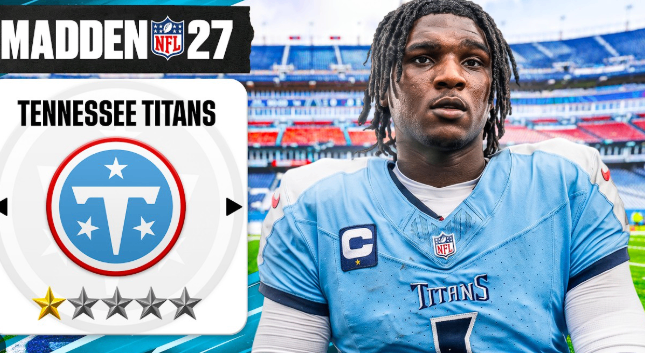
The Titans were picked for branding, jerseys, and rebuild appeal, not because the starting roster mattered after the reset. That choice matters because fantasy draft rebuilds are part strategy—including how you manage your madden coins—and part identity, and a team you actually like makes a long series easier to finish.
The creator even joked about the Jets before settling on Tennessee, which shows the decision was driven by fit and presentation. For players building a four-season challenge, that is smart: if the franchise feels good on screen, you are more likely to stay invested through the full run. This is most useful for players who care about long-term save enjoyment as much as roster strength.
What should you draft first?
The safest early move is to take youth, upside, and development instead of older elite names. In this rebuild, Will Anderson was preferred over Myles Garrett because he is younger and better suited to improve across several seasons.
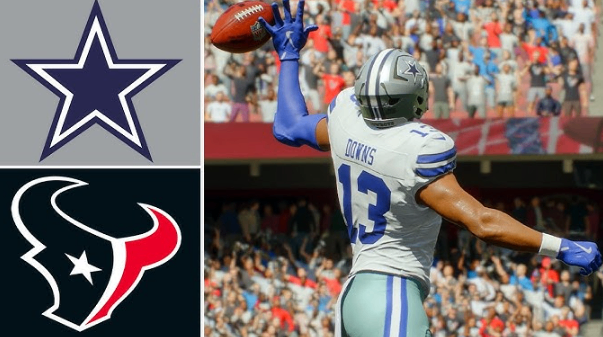
That same logic shaped the rest of the board. The roster started defense-heavy with Will Anderson, Brian Branch, Nick Bosa, Caleb Downs, and Sunny Styles before quarterback was fully solved, which created a strong foundation for simulation and playoff defense. Players who want a stable multi-year franchise should think in roster windows, not one-year ratings.
Draft Priority | Example Pick | Value Type | Best Use |
Young pass rusher | Will Anderson | High long-term upside | Core franchise piece |
Elite veteran edge | Nick Bosa | Immediate impact | Win-now and sim pressure |
Fast-developing defender | Caleb Downs | Sleeper value | Strong growth pick |
Versatile linebacker | Sunny Styles | Sim production | Tackling and range |
Late QB gamble | Joe Milton | High variance | Ceiling over safety |
The key comparison is that the defense picks gave both current strength and future growth, while the quarterback choice carried much more risk.
Is Joe Milton worth the gamble?
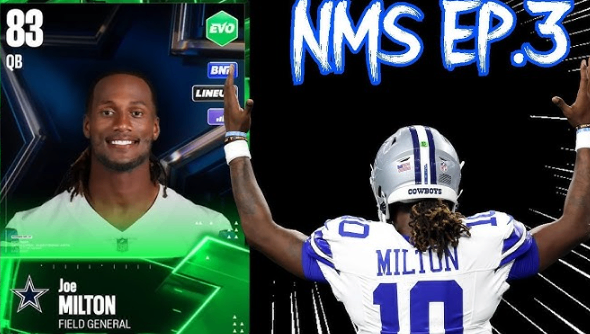
Joe Milton is a classic upside bet: elite throw power, real mobility, and enough traits to justify a late pivot. The problem is that he remained only a 69 overall after the season, so the promise did not instantly turn into stability.
That makes the decision understandable but risky. If you draft Milton, you are betting that traits and development will eventually matter more than polished play right away, but live games can expose inconsistency fast—especially when you've spent madden ultimate team coins to build the roster around him. This approach fits players who like high-ceiling projects and can tolerate turnovers, pressure, and uneven passing.
Why did the sim team succeed?
The simulated roster performed well because the defense created major value. Nick Bosa and Will Anderson each posted 20 sacks, Sunny Styles reached 145 tackles, and several skill players contributed enough to keep the team in playoff position.
That is the real lesson: franchise sim success often rewards pass rush, development, and strong defender production more than flashy offensive balance. Caleb Downs was also called a sleeper because he developed unusually fast, which suggests he may be worth drafting earlier than most players expect. This is especially valuable for players building around simulation-heavy franchise seasons.
What went wrong in the playoff game?
The live playoff game exposed the gap between simulation strength and user-played consistency. The Patriots leaned on Zack Charbonet and a strong run game behind an effective line, which forced the Titans into stressful defensive possessions and limited offensive rhythm.
The Titans had moments, especially with Jeremiah Love and Joe Milton scramble or play-action looks, but pressure and turnovers kept breaking drives. Love even fumbled on his first carry before later redeeming himself with a long touchdown run, which sums up the game: flashes of upside, but not enough consistency to control the matchup. This matters most to players who want their franchise to translate from sim success into live-game wins.
What should Madden 27 fantasy draft players do?
Start with defense, then protect your quarterback plan. If you want a four-season challenge, the safest route is to lock in young edge players and fast developers early, then accept that quarterback may be a later gamble rather than the first pick.
Also, treat Caleb Downs as a real value target if your board matches this behavior. The creator’s experience suggests he develops faster than expected, which can turn a good defense into an elite one over time. Players who want the best return on draft capital should focus on development, not just overall rating.
What does this mean for your rebuild?
Madden 27 fantasy draft rebuilds work best when you separate sim value from live-play value. The Titans build succeeded at creating a strong season profile, but the playoff loss showed that a weak quarterback plan and run-game pressure can still derail a good roster.
If you want a franchise that lasts, build the defense first, draft for growth, and keep your quarterback risk under control. That is the most reliable path for players who want both a competitive save and a fun multi-season challenge.
What is the best first-round strategy in Madden 27 fantasy draft rebuilds?
The best first-round strategy is usually to take a young elite defender or a fast-developing asset. That gives you production now and growth later, which is ideal for a four-season franchise. Older stars can help immediately, but they may not fit as well in a long rebuild.
Is Caleb Downs worth drafting early in Madden 27?
Yes, based on this rebuild, Caleb Downs looks like a strong early value target. He developed very quickly and was described as a sleeper who may deserve a much earlier pick. That makes him especially useful for players who want a defense that improves fast in simulation-heavy saves.
Why does simulation matter so much in Madden 27 franchise mode?
Simulation matters because it can decide your regular-season record and playoff seed before you ever control a game. In this case, pass rushers and tackle-heavy defenders produced huge results in sim. If you draft only for live gameplay, you may miss the traits that drive franchise success.
Should you draft quarterback early in Madden 27 fantasy draft?
Not always. This rebuild shows the downside of waiting, but it also shows why some players do it: you can load up elsewhere first. The trade-off is volatility. If you skip quarterback, you need to be ready for pressure, inconsistency, and a narrower margin for error in playoff games.
Quick Tips
· Draft young defenders early if you want long-term franchise growth.
· Treat Caleb Downs as a high-value sleeper target.
· Don’t assume sim success will translate into smooth user games.
· If you delay quarterback, add protection elsewhere.
· Build for your save length, not just one season.
Who Benefits Most?
Beginners: Learn how fantasy drafts reward development and not just famous names.
Returning Players: See why sim-heavy franchises often favor defense-first roster building.
Competitive Players: Understand the risk of relying on a late quarterback gamble in live playoff games.
Long-Term Franchise Players: Get a clear model for balancing upside, growth, and roster identity across multiple seasons.
The Titans rebuild works because it prioritizes youth, defense, and development value. If you want a franchise that can win in simulation and stay interesting over several seasons, this blueprint is strong. If you want safer live-game results, put quarterback stability higher on the board.