




Why do other players always come through with clutch hits in key moments, while you're constantly chasing bad pitches and swinging at air? The truth might blow your mind:the key to reading pitches has nothing to do with the pitcher's fingers. Top players have already locked in the pitch type before it even leaves the pitcher's hand, and they do it by reading the batter's leg kick in that split second. Stop guessing at the plate. This guide breaks it down in the simplest way possible-from reading leg kicks to tracking pitch trajectories, from practice routines to equipment choices-taking you from a blind swinger to a MLB The Show 26 Stubs true pitch-predicting hitter.
FIRST STEP FOOTWORK TELLS YOU EVERYTHING
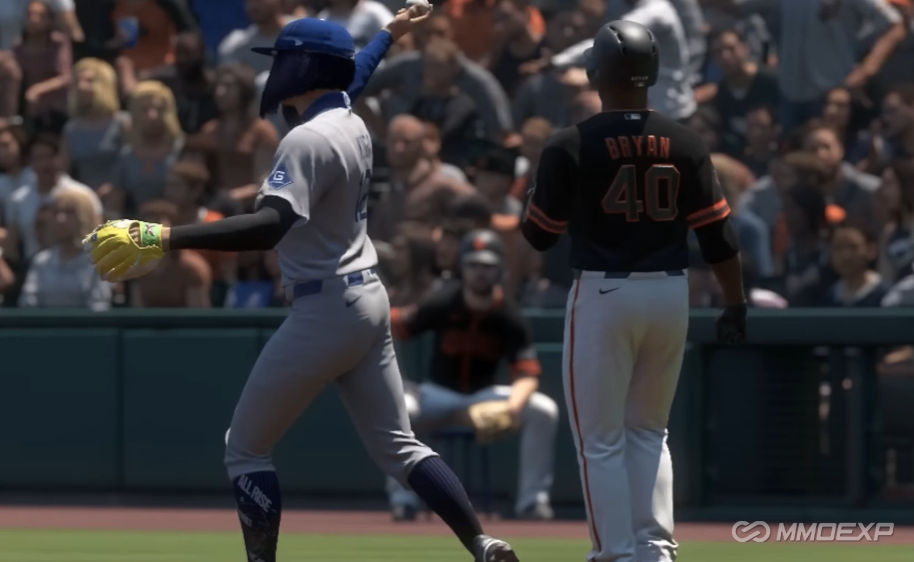
Beginners usually stare at the pitcher's hand, but the ball moves too fast to track consistently. Advanced players shift their focus to the batter animation instead. The game engine synchronizes the swing preparation animation with pitch type timing, and this creates subtle rhythm differences that reveal information before release.
When a cheap MLB 26 Stubs fastball is coming, the batter's leg lift is quicker and the stride is more aggressive, almost like being pushed forward by the pitch. When a breaking ball is coming, the batter hesitates slightly, delaying the landing step because the slower pitch timing requires a longer reaction window.
Use high leg kick hitters such as Manny Ramirez or Mike Trout style players because their exaggerated motion makes timing differences easier to read. You are not watching the pitcher anymore, you are reading your own hitter animation. That shift alone improves your decision speed significantly.
SECOND STEP THE BALL TRAJECTORY REVEALS THE TRUTH
Once you learn footwork reading, smart pitchers will try to confuse you with pitches that have similar speeds such as cutters and splitters. At that point, you switch to trajectory reading.
Every pitch type in the game has a designed physical movement pattern. Fastballs travel in a straight, stable line like an arrow. Breaking balls often show a slight upward float immediately after release before dropping sharply or moving sideways. This early motion is the key visual clue.
The most important detail is the first frame after release. You must watch whether the ball starts perfectly flat or shows an initial rise. That difference is the most reliable separator between fastballs and off speed pitches. Once mastered, even advanced pitch sequences become readable.
THIRD STEP TEN MINUTE TRAINING ROUTINE
Knowing is not enough. You must train reaction speed in practice mode.
Search the community for player builds such as Hana and load a full competitive roster to avoid setup time. Start with rivalry matchups like Red Sox versus Yankees. First focus on batter timing, then switch to pitch release reading. Limit the pitcher to two pitch types such as four seam fastball and changeup and repeat until recognition becomes automatic.
Before every ranked match, spend at least ten minutes warming up in practice mode. Set difficulty one level higher than your actual match setting. If you play Hall of Fame, practice on Legend. This forces your brain to process faster movements, making real matches feel slower and easier.
FOURTH STEP VISUAL CLEANUP AND SETUP ADVANTAGE
Use the strike zone camera for the clearest view of pitch release and trajectory. Simplify your PCI into a small dot or minimal shape to reduce visual clutter and improve focus.
Avoid highly crowded stadium environments because heavy visual effects can increase input delay and reduce clarity. Cleaner stadiums like Shippet Stadium are preferred because they offer stable performance and clearer pitch tracking.
Finally, the most important mindset rule is simple. Fear of strikeouts leads to failure. Only swing at pitches you truly want to hit. When you stop chasing borderline pitches, pitchers are forced to come into your hitting zone, and your reading advantage becomes fully effective.
SUMMARY
This method is best for beginners stuck in low performance, intermediate players trying to improve batting consistency, and competitive ranked players aiming for higher tiers. By combining footwork timing and pitch trajectory reading, you shift from guessing to structured prediction, significantly improving contact rate and run production.
TIPS
Use strike zone camera and simplified PCI for maximum clarity. Turn off unnecessary visual effects to focus only on release point and timing changes. Consistent practice will reduce strikeouts and improve extra base hit potential.
PLAYER BENEFITS SUMMARY
New players:Quickly build a solid pitch selection logic and reduce blind swings
Advanced players:Improve prediction ability and increase hitting consistency
Ranked competitive players:Strengthen pitch reading skills and achieve stable rank climbing
Data-driven players:Understand the rhythm and trajectory patterns behind the game mechanics