




Summary
The NBA 2K27 trailer has finally dropped, and the community response has been overwhelmingly negative. Many players are pointing out that the game looks visually inferior to titles released over a decade ago, with recycled animations, outdated player models, and what appears to be the same core experience repackaged at a premium price. The $140 ultra edition has drawn particular criticism, especially since it reportedly won't even get a player's build to an 80 overall rating. Longtime fans are reaching a breaking point with microtransactions, the lack of innovation, and the growing disconnect between developer and community. With each passing year, player frustration mounts as the franchise continues to prioritize monetization over meaningful improvement. For players who still want to build their dream squads, NBA 2K26 MT remains a valuable resource for upgrading rosters without breaking the bank. The question now is whether the community can unite and force real change.
The Trailer Problem
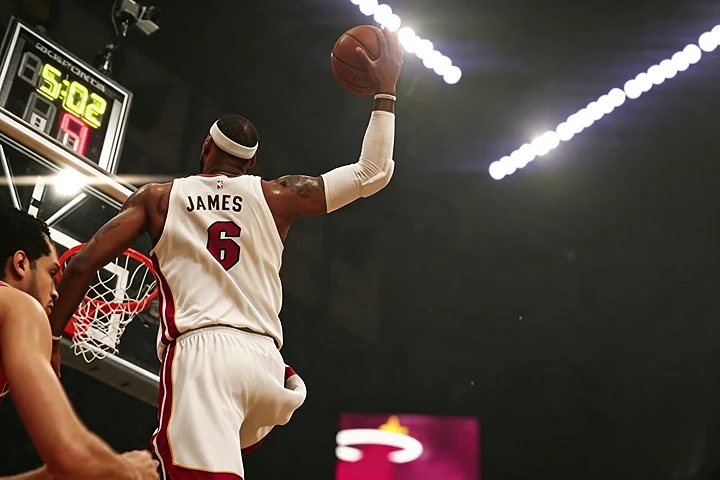
The NBA 2K27 trailer has been described by many as looking like a PS4 game at best. Players have noted that the lighting, sweat effects, and overall visual quality appear inferior to NBA 2K14—a game released in 2013 on older hardware.
One of the most glaring issues is the lack of updated player models. Anthony Edwards and LaMelo Ball appear with the same hairstyles they had in the previous game, despite both players having changed their looks in reality. Anthony Edwards' face scan still appears inaccurate. These small details matter to players who invest significant time and money into the franchise.
The dunk animations shown in the trailer are reportedly the same ones that have been in the game since NBA 2K16. Many of the player animations appear recycled rather than updated, reinforcing the perception that this is essentially a roster update disguised as a full-priced game.
The Price Problem
The ultra edition of NBA 2K27 is priced at $140. For this premium cost, players reportedly won't even receive enough virtual currency to get a single player build to an 80 overall rating.
This pricing model has become increasingly unsustainable for the community. A standard copy of the game costs $80. To max out a player build, players typically need around $100 in additional microtransactions. Combined, that's $180 just to fully enjoy one character.
For younger players who make up a significant portion of the player base, this pricing is simply inaccessible. Many longtime fans have been priced out of the franchise they once loved.
The City and Gameplay Concerns
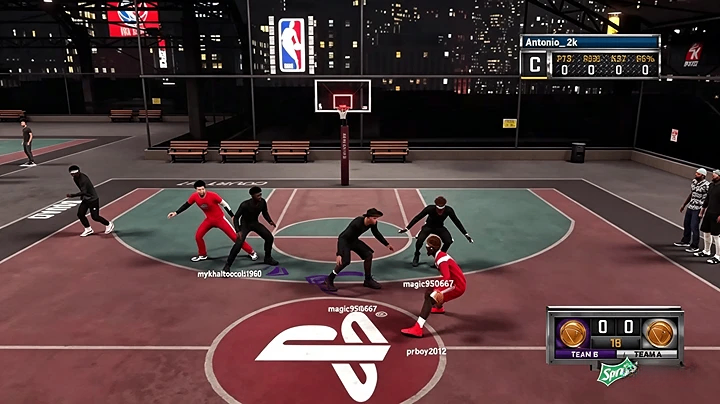
Many players are calling for the removal of "The City" mode, which has become increasingly unpopular. Suggestions for improvement include adopting a model similar to NBA Live 19, featuring vibrant, recognizable parks like Rucker Park and Venice Beach, with straightforward matchmaking lobbies similar to Call of Duty.
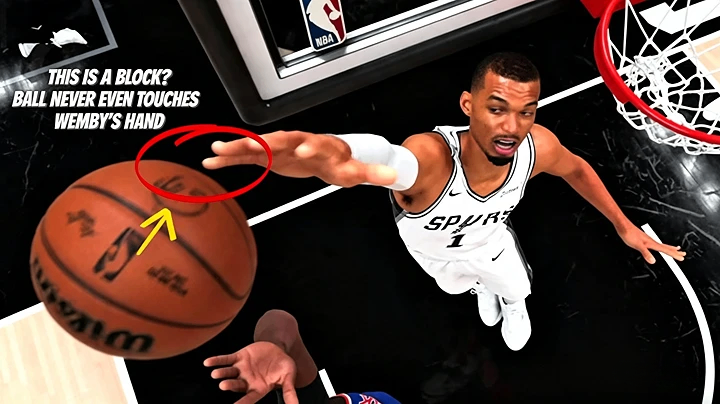
The "invisible wall" glitch, where players don't actually make contact with the ball despite appearing to do so, has also resurfaced. For a game priced at $80 to $140, these persistent technical issues are unacceptable to the community.
Blacktop mode has remained unchanged since NBA 2K21, with players noting that earlier titles like NBA 2K6 and 2K7 featured a variety of blacktop courts to choose from.
Quick game modes also require a significant overhaul. Classic teams should be available immediately without additional unlocks, and attention to detail is needed for historical player models. Stephen Curry's 2016 version should not have his current haircut, and Dwyane Wade's 2012 version should not feature his later hairstyle.
The Modding Community Comparison
One of the most striking contrasts is between what 2K produces and what the modding community achieves. Independent modders on PC have been able to make the game look vibrant, realistic, and fluid with improved player movement and visual fidelity.
Many in the community believe 2K should hire these modders to improve the official product. The disparity between what passionate fans can accomplish independently and what a billion-dollar corporation delivers is deeply frustrating.
Microtransactions Have Gotten Out of Hand
Longtime players remember when $20 in virtual currency was enough to get a build started, with the rest earned through gameplay. Today, $20 makes barely a dent in the requirements needed to build a competitive player.
This shift toward aggressive monetization has driven away many casual players. Viewership across 2K content is declining even as game sales remain strong—suggesting that while players may purchase the game, their engagement and enthusiasm are waning.
Solutions and Community Action
The creator suggests several practical solutions:
Content creators should limit themselves to one or two player builds per year to reduce spending.
Players should share accounts within friend groups to try different builds without purchasing multiple.
The community should collectively send a message by reducing spending on microtransactions.
These actions would protect content creators' livelihoods while demonstrating to 2K that the community is serious about change.
Final Thoughts
NBA 2K27 represents a breaking point for many longtime fans. The visual downgrade, recycled animations, outdated player models, and ever-increasing microtransaction costs have created an experience that feels more like a cash grab than a genuine improvement.
The contrast with what independent modders can achieve on their personal computers highlights what 2K could deliver if they prioritized quality over profit. While the community remains passionate about basketball gaming, patience is running thin. With NBA 2K26 offering the same core experience, many players are choosing to skip this year's release entirely and invest their time elsewhere. For those seeking to upgrade their rosters and maximize their team's potential, acquiring MT NBA 2K26 provides an alternative path to building a competitive squad without supporting a product many feel has lost its way.
Something has to give. Whether the community can unite and force meaningful change remains to be seen, but the conversation has never been more urgent.